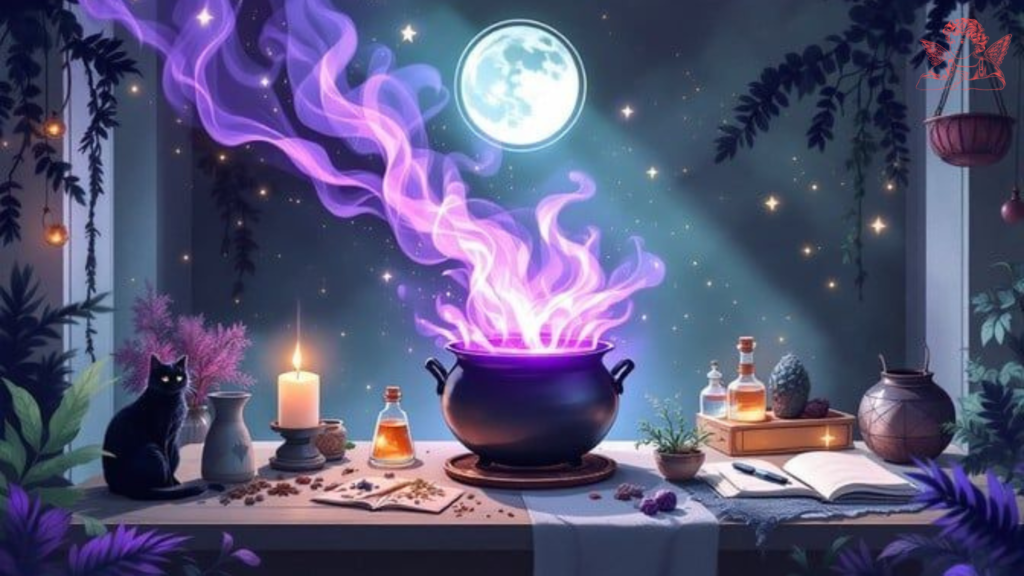
Ritual Healing Explained: Baths, Candles, Moon Phases & Altars
Ritual healing has been practiced across civilizations for thousands of years, long before modern psychology and medicine gave names to emotional stress, trauma, or energetic imbalance. From ancient temples to quiet homes, people have turned to symbolic actions, sacred timing, and intentional spaces to support inner healing.
Today, these practices are returning to the mainstream, not as superstition, but as deeply grounding tools for emotional clarity, nervous system regulation, and spiritual reconnection. Spiritual healing rituals offer a way to slow down, listen inward, and consciously participate in one’s own healing journey.
At its core, ritual healing is not about rigid rules or dramatic ceremonies. It is about intention, presence, and repetition. When an action is performed with awareness and meaning, it becomes a bridge between the conscious and subconscious mind. Lighting a candle, stepping into warm water, or aligning intentions with the phases of the moon may appear simple on the surface, yet these acts speak directly to deeper layers of the psyche and spirit. In a world that often demands constant productivity, ritual healing creates a pause where the body and mind can finally feel safe enough to release, reset, and realign.
This blog explores ritual healing in depth, focusing on ritual baths, candles, moon phase rituals, and the creation of a healing altar. Rather than offering quick fixes, it explains how these practices work, why they have endured across cultures, and how they can be adapted to modern life in a grounded and meaningful way.
Understanding Spiritual Healing Rituals
Spiritual healing rituals are intentional practices designed to support emotional, mental, and energetic balance. Unlike habits that are performed automatically, rituals are carried out with conscious awareness and symbolic meaning. The power of a ritual lies not in the object used but in the relationship formed with the action itself. When the mind understands that something sacred or intentional is taking place, the nervous system begins to respond differently.
Across cultures, rituals have been used to mark transitions, process grief, invite protection, and restore harmony. Indigenous traditions, Eastern philosophies, and ancient European practices all recognized that healing required more than physical remedies. Emotional wounds, unresolved experiences, and spiritual disconnection were addressed through repeated symbolic acts that allowed people to express what words often could not.
In modern contexts, spiritual healing rituals serve a similar function. They create a container where emotions can surface safely, where intention replaces distraction, and where healing becomes an active collaboration rather than a passive hope. These rituals do not replace medical care but complement it by addressing the inner dimensions of healing that science is only beginning to understand.
The Psychology Behind Ritual Healing
Modern psychology has shown that rituals help reduce anxiety, increase feelings of control, and regulate emotional states. When a ritual is repeated, the brain begins to associate it with safety and grounding. This is why bedtime routines calm children and why morning rituals help adults feel centered. Spiritual healing rituals operate on the same principle but go deeper by engaging symbolism and intention.
The subconscious mind communicates through images, sensations, and repetition rather than logic. Ritual baths, candle flames, moon cycles, and sacred objects speak directly to this inner language. When someone immerses themselves in a ritual with full attention, the mind begins to release stored tension and emotional residue. Over time, the body learns that these moments are safe spaces for letting go.
Ritual healing also encourages embodiment. Instead of intellectualizing emotions, the individual feels them through warmth, scent, sound, and movement. This sensory engagement grounds healing into the body, which is essential for lasting emotional integration.
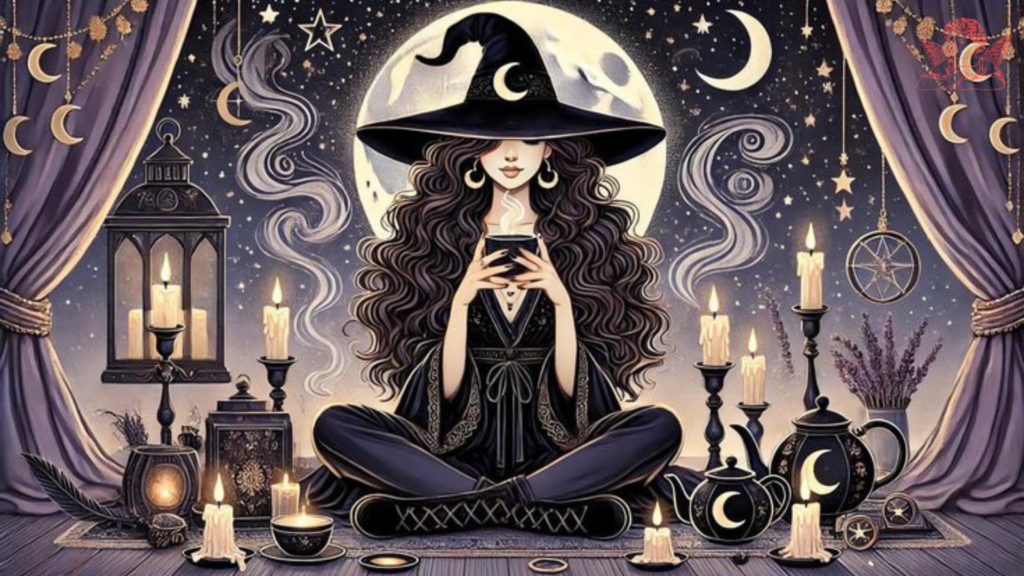
How Spiritual Healing Rituals Support Emotional Balance
Spiritual healing rituals have become increasingly relevant in modern life as more people search for ways to manage emotional overload, stress, and inner disconnection. These rituals are not about rigid belief systems or elaborate ceremonies. They are intentional practices that help the mind and body slow down, process emotions, and reconnect with a sense of meaning. When practiced regularly, spiritual healing rituals create a supportive rhythm that encourages emotional balance and long-term inner renewal.
At their foundation, these rituals work by creating safe and intentional pauses in everyday life. In those pauses, the nervous system relaxes, awareness deepens, and suppressed emotions are allowed to surface gently. Whether practiced daily or occasionally, ritual healing helps individuals move from reaction to reflection, which is essential for emotional well-being.
Below is a detailed exploration of how spiritual healing rituals function and why practices like ritual baths, moon phase rituals, and a healing altar can have a lasting impact.
Why Spiritual Healing Rituals Are Effective
Spiritual healing rituals work because they combine intention, repetition, and symbolism. Together, these elements communicate directly with the subconscious mind, where emotional patterns are stored.
- They create a sense of safety by establishing predictable, calming routines that reduce anxiety
- They help regulate the nervous system by shifting the body from stress response into relaxation
- They allow emotions to be felt and released without pressure to analyze or fix them
- They strengthen self-awareness by encouraging presence rather than distraction
- They restore a sense of control during emotionally overwhelming periods
When rituals are repeated over time, the mind begins to associate them with grounding and relief, making healing feel more accessible and natural.
The Emotional Role of Ritual Baths
Ritual baths are one of the most grounding forms of spiritual healing rituals because water directly affects the body and emotions. Warm water relaxes muscles, slows breathing, and signals the brain that it is safe to let go.
- Ritual baths support emotional release by creating a womb-like environment of comfort
- They help clear emotional heaviness accumulated through stress and daily interactions
- They encourage introspection, allowing thoughts and feelings to surface naturally
- They provide physical grounding, which is essential for processing emotional experiences
- They offer a private, uninterrupted space for rest and self-connection
By approaching bathing as a ritual rather than a task, the experience becomes deeply restorative rather than routine.
Candle Rituals and Focused Intention
Candles play a powerful role in spiritual healing rituals because fire symbolizes transformation, clarity, and awareness. The simple act of lighting a candle signals the beginning of intentional time.
- Candle rituals help quiet mental noise by giving the mind a single focal point
- The flame encourages mindfulness and present-moment awareness
- Lighting a candle creates a psychological boundary between daily life and sacred space
- It supports emotional clarity during periods of confusion or emotional processing
- Repeated candle rituals build consistency and emotional stability
The steady glow of a candle reminds the mind to slow down, breathe, and remain present with whatever arises.

Moon Phase Rituals and Emotional Cycles
Moon phase rituals align healing practices with natural cycles of growth, release, and renewal. The moon’s influence on emotional rhythms has been observed for centuries, and many people find that their energy shifts alongside lunar phases.
- New moon rituals support intention-setting and emotional renewal
- Waxing moon rituals encourage growth, motivation, and commitment
- Full moon rituals help release emotional patterns and unresolved tension
- Waning moon rituals support rest, surrender, and integration
- Tracking emotions alongside moon phases increases self-awareness
Moon phase rituals teach that healing is cyclical rather than linear, helping individuals accept emotional ups and downs with greater compassion.
The Importance of a Healing Altar
A healing altar acts as a physical anchor for spiritual healing rituals. It is a dedicated space that holds intention and symbolizes commitment to inner work.
- A healing altar creates consistency in spiritual practice
- It visually reinforces healing intentions and emotional goals
- Returning to the altar signals the nervous system to relax and focus inward
- It provides a grounding space during emotionally challenging times
- Over time, it becomes emotionally charged with meaning and comfort
The presence of a healing altar reminds individuals that healing is an ongoing process, not a one-time event.
Emotional Benefits of Regular Ritual Practice
Practicing spiritual healing rituals consistently leads to noticeable emotional shifts over time. These changes often occur gently rather than dramatically, but they are deeply transformative.
- Increased emotional resilience during stressful situations
- Improved ability to process emotions without suppression
- Greater self-trust and inner stability
- Reduced emotional reactivity and overwhelm
- Stronger connection to personal intuition and needs
These benefits emerge not from perfection, but from showing up repeatedly with intention.
Integrating Rituals into Everyday Life
Spiritual healing rituals do not require large amounts of time or special environments. They can be woven into daily routines in simple, sustainable ways.
- Evening candle rituals to signal rest and emotional closure
- Weekly ritual baths to release accumulated stress
- Monthly moon phase rituals for reflection and intention
- Daily moments at a healing altar for grounding and clarity
- Mindful breathing combined with symbolic actions
When rituals become part of everyday life, healing becomes less effortful and more embodied.
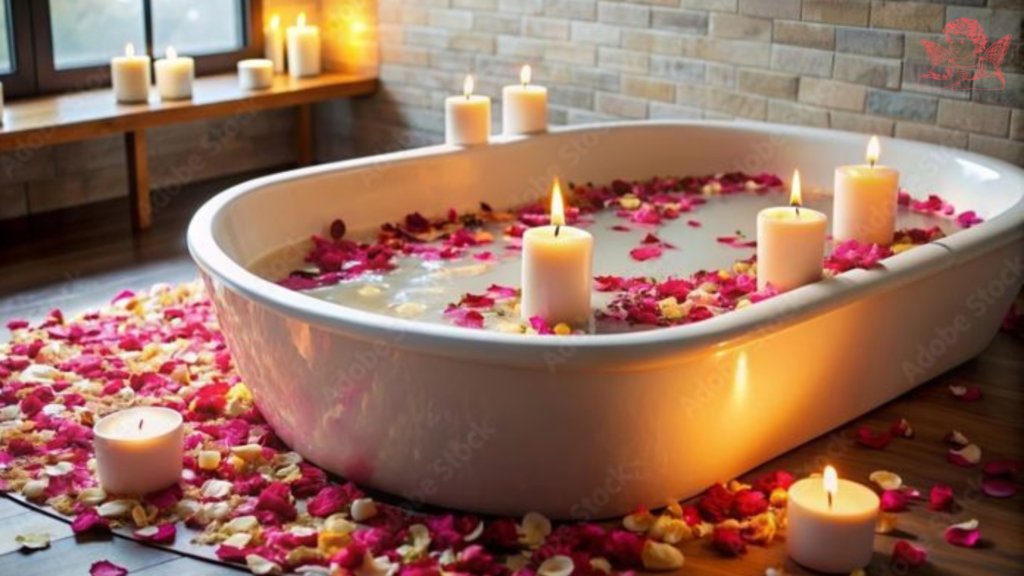
Ritual Baths as a Tool for Emotional Release
Ritual baths are one of the oldest forms of spiritual cleansing. Water has long been associated with purification, rebirth, and emotional flow. In many traditions, immersion in water symbolizes a return to the womb-like state where tension dissolves and the nervous system can reset.
A ritual bath is not the same as a regular bath. It is approached with intention, presence, and symbolic elements that support the desired outcome. Warm water relaxes the muscles and signals the body to shift from alertness into rest. This physiological response creates the ideal state for emotional release and reflection.
Herbs, salts, oils, and natural elements are often added to ritual baths, not because they are magical in themselves, but because they engage the senses and reinforce intention. The scent of lavender may signal calm, while salt represents cleansing and grounding. As the body soaks, the mind begins to soften, allowing emotions that have been held beneath the surface to gently emerge.
Ritual baths are particularly effective for processing emotional heaviness, stress, and energetic overwhelm. They offer a private, contained space where feelings can arise without judgment. Many people find that insights, memories, or emotional clarity surface naturally during or after a ritual bath, not because they forced them, but because the body finally felt safe enough to speak.
Creating Meaningful Ritual Baths
The effectiveness of ritual baths lies in preparation and intention rather than complexity. Before entering the water, it is helpful to take a moment to acknowledge what is being released or invited in. This could be stress, grief, self-doubt, or simply the need for rest. Speaking the intention aloud or silently anchors the ritual in awareness.
The bath itself becomes a symbolic threshold. As the body enters the water, the mind follows, shifting from external concerns to inner presence. Remaining in the bath without distractions allows the nervous system to fully relax. There is no need to analyze or fix anything. Simply being present with sensations and breath is enough.
After the bath, allowing time for rest or reflection helps integrate the experience. Ritual baths are not meant to be rushed. Their healing power unfolds in the moments of stillness they create.
The Symbolism and Power of Candles in Healing Rituals
Candles have been used in spiritual healing rituals across cultures as symbols of light, awareness, and transformation. Fire represents change, illumination, and the movement of energy. When a candle is lit with intention, it becomes a focal point for the mind and a reminder of inner clarity.
The steady flame draws attention naturally, encouraging stillness and presence. Watching a candle burn can slow racing thoughts and bring the mind into the present moment. This meditative quality makes candles powerful tools for emotional grounding and spiritual focus.
In healing rituals, candles often represent intentions being illuminated or burdens being released. The act of lighting a candle marks the beginning of a sacred moment, while allowing it to burn signifies trust in the process. Colors, scents, and timing can add layers of meaning, but the core power of candle rituals lies in their simplicity and symbolism.
Using Candles for Emotional and Spiritual Healing
Candle rituals are especially helpful during times of confusion, emotional processing, or transition. Sitting quietly with a lit candle creates a gentle structure where thoughts and emotions can settle. The flame becomes a mirror, reflecting inner states without judgment.
Setting an intention before lighting the candle gives direction to the ritual. This could be clarity, peace, forgiveness, or strength. As the candle burns, the intention is held lightly, without forcing outcomes. This practice trains the mind to focus while remaining open, a balance that is essential for healing.
Over time, candle rituals can become anchors of stability. Returning to the same practice repeatedly builds a sense of continuity and trust. The mind learns that this space is safe, intentional, and restorative.
Moon Phase Rituals and Cycles of Healing
Moon phase rituals are rooted in the understanding that human emotions and energy move in cycles, much like nature itself. The moon’s phases have been observed and honored for centuries as markers of growth, release, and renewal. Aligning spiritual healing rituals with these natural rhythms can deepen awareness and provide structure for ongoing healing.
The new moon is associated with beginnings and intention-setting. It is a time for planting seeds, both literally and metaphorically. Healing rituals during this phase often focus on what is being invited into one’s life, such as emotional balance, clarity, or self-trust.
As the moon waxes, energy builds. This phase supports action, integration, and steady progress. Rituals during this time may involve affirming intentions and reinforcing commitments to healing practices.
The full moon represents culmination and illumination. Emotions often feel heightened during this phase, making it a powerful time for release and reflection. Healing rituals under the full moon frequently focus on letting go of patterns, emotions, or beliefs that no longer serve.
The waning moon supports rest, surrender, and closure. It is a time for gentle processing and integration, allowing the nervous system to recalibrate after emotional release.
Practicing Moon Phase Rituals in Daily Life
Moon phase rituals do not require elaborate ceremonies or outdoor gatherings. They can be as simple as journaling, lighting a candle, or sitting quietly with intention during a particular phase. What matters is awareness of the cycle and willingness to reflect on how inner states shift alongside it.
Tracking emotions and energy levels in relation to moon phases can increase self-understanding. Over time, patterns may emerge, revealing when rest is needed and when action feels natural. This awareness fosters self-compassion and reduces resistance to emotional fluctuations.
Moon phase rituals offer a framework for honoring change rather than fighting it. They remind us that healing is not linear but cyclical, involving moments of growth, release, and rest.
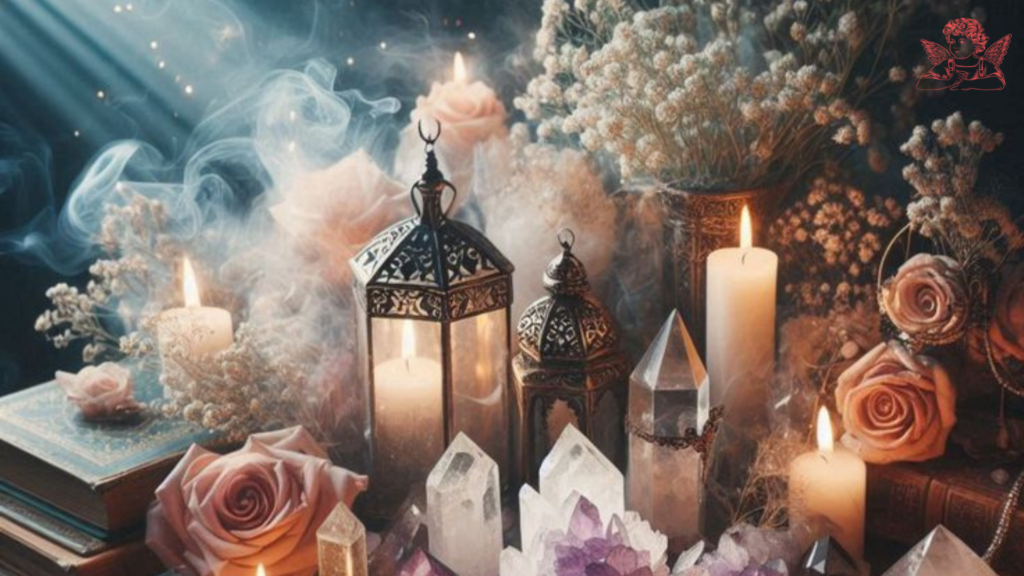
The Role of a Healing Altar in Spiritual Practice
A healing altar is a dedicated space that holds intention, symbolism, and presence. It serves as a physical anchor for spiritual healing rituals, reminding the mind and body of a commitment to inner work. Altars have been used across cultures as places of prayer, remembrance, and connection.
A healing altar does not need to follow specific rules or traditions. Its power comes from personal meaning. Objects placed on the altar often represent elements of healing, such as grounding, clarity, protection, or self-love. These items act as visual and energetic cues that signal the nervous system to shift into a reflective state.
The presence of a healing altar creates consistency. Returning to the same space reinforces ritual practice and builds a sense of sacred routine. Over time, the altar itself becomes charged with intention and emotional significance.
Creating and Maintaining a Healing Altar
Choosing a location for a healing altar is an act of intention in itself. It may be a small corner, a shelf, or a tabletop that feels calm and undisturbed. What matters is that it feels safe and accessible.
Objects placed on the altar should resonate personally. This may include candles, stones, symbols, photographs, or written intentions. Each item serves as a reminder of the healing journey and the qualities being cultivated.
Spending a few moments at the altar daily or weekly strengthens the relationship with the space. This does not require elaborate rituals. Simply sitting, breathing, or acknowledging the intention held there is enough. Over time, the altar becomes a refuge, offering stability during emotional turbulence.
Integrating Ritual Healing into Modern Life
One of the misconceptions about spiritual healing rituals is that they require significant time or belief in a specific spiritual system. In reality, rituals can be adapted to fit modern schedules and personal worldviews. Their effectiveness lies in consistency and sincerity rather than duration.
Short daily rituals, such as lighting a candle in the evening or taking mindful baths, can have cumulative effects. These practices signal to the nervous system that rest and reflection are valued. Over time, this reduces chronic stress and increases emotional resilience.
Integrating rituals into existing routines also increases sustainability. A ritual bath at the end of a long week, a candle ritual before sleep, or moon phase reflections during monthly planning can seamlessly blend into daily life.
How Spiritual Healing Rituals Strengthen Self-Trust
One of the most profound yet often overlooked effects of spiritual healing rituals is their ability to rebuild self-trust and restore a sense of personal empowerment. In a world where decisions are frequently driven by external pressure, comparison, and constant noise, many people lose confidence in their own inner signals. Healing rituals gently reverse this pattern by teaching individuals to listen inward, respond with care, and honor their emotional truth without seeking validation from outside sources.
Spiritual healing rituals create intentional moments where the individual becomes both the witness and the participant in their own healing. This dual awareness is essential for empowerment. Instead of waiting for circumstances to change or for someone else to provide answers, ritual practice encourages active engagement with one’s inner landscape. Over time, this repeated self-engagement rebuilds confidence in personal intuition and emotional wisdom.
Reconnecting with Inner Guidance Through Ritual
Self-trust develops when people consistently observe their inner experiences without judgment. Rituals provide a structured way to do this. By returning to the same practices repeatedly, individuals begin to recognize emotional patterns, energetic shifts, and intuitive signals that were previously ignored or overridden.
Ritual baths, for example, create a quiet environment where subtle feelings can surface. Without distractions, the body communicates through sensation, emotion, and memory. When these signals are acknowledged rather than suppressed, trust in the body’s intelligence begins to grow. This trust extends beyond the ritual space into daily decision-making, where individuals become more attuned to what feels supportive or draining.
Candle rituals function similarly by offering a focal point for reflection. Sitting with a flame encourages stillness, which allows inner dialogue to emerge naturally. Rather than seeking immediate answers, the practice teaches patience and listening. Over time, this reinforces the understanding that clarity often arises from presence rather than force.
Empowerment Through Consistency and Choice
Empowerment is not built through dramatic breakthroughs but through consistent self-honoring choices. Spiritual healing rituals emphasize choice at every level, from deciding when to practice to selecting the elements that feel meaningful. This autonomy is deeply empowering, especially for individuals who have experienced emotional overwhelm or loss of control.
Choosing to engage in a ritual, even on difficult days, reinforces the message that one’s well-being matters. This simple act counters patterns of self-neglect and emotional avoidance. Over time, the nervous system learns that support is available from within, not only from external sources.
Moon phase rituals further strengthen empowerment by aligning action with natural timing rather than pressure. Instead of pushing for constant productivity, individuals learn to respect periods of rest, reflection, and release. This cyclical approach reduces burnout and encourages sustainable growth. Empowerment emerges from working with inner rhythms rather than against them.
Building Emotional Boundaries Through Ritual Practice
Spiritual healing rituals also support empowerment by strengthening emotional boundaries. When people are disconnected from themselves, they are more likely to absorb others’ emotions, expectations, and stress. Ritual practice creates a clear distinction between inner experience and external influence.
A healing altar plays a key role in this process. Returning to a dedicated space reinforces a sense of emotional sovereignty. The altar becomes a reminder that one’s inner world deserves care and protection. This symbolic boundary often translates into stronger real-world boundaries, where individuals feel more confident saying no, expressing needs, and prioritizing emotional health.
Rituals also offer a controlled environment for emotional release. Instead of emotions spilling out unpredictably, they are processed intentionally. This sense of containment builds confidence in one’s ability to handle emotional intensity without becoming overwhelmed.
Trusting the Healing Process Without Forcing Outcomes
A critical aspect of empowerment is learning to trust the process rather than demanding immediate results. Spiritual healing rituals encourage surrender alongside intention. While an intention is set, the outcome is not controlled. This balance teaches resilience and patience, two essential components of self-trust.
Over time, individuals notice that insights, emotional shifts, and clarity often arise after the ritual rather than during it. This delayed integration reinforces trust in the subconscious healing process. Rather than questioning whether healing is happening, individuals begin to recognize subtle changes in emotional responses, relationships, and self-perception.
This trust extends into daily life, where challenges are approached with greater calm. Instead of reacting impulsively, individuals draw on the grounding skills developed through ritual practice. Empowerment becomes less about control and more about confidence in one’s ability to respond thoughtfully.
From Ritual Practice to Everyday Empowerment
The true strength of spiritual healing rituals lies in their ripple effect beyond the ritual itself. As self-trust deepens, individuals become more decisive, emotionally grounded, and aligned with their values. Decisions are guided less by fear and more by inner clarity.
This shift impacts relationships, work, and personal goals. Empowered individuals are more likely to communicate honestly, choose environments that support their well-being, and release patterns that no longer align with their growth. Healing becomes an integrated way of living rather than an isolated practice.
Ultimately, spiritual healing rituals do more than soothe emotions. They reestablish a relationship with the self based on respect, listening, and trust. Through consistent practice, individuals rediscover their inner authority and learn that empowerment is not something given from the outside, but something cultivated from within, one intentional ritual at a time.
The Long-Term Impact of Spiritual Healing Rituals
Spiritual healing rituals do not promise instant transformation, but they offer something more sustainable. They cultivate awareness, patience, and self-trust. Through repeated intentional practices, individuals learn to listen to their bodies, honor their emotions, and engage with healing as an ongoing relationship rather than a destination.
Over time, rituals create internal safety. This safety allows deeper emotional layers to surface and integrate naturally. The body learns that it is supported, the mind learns to slow down, and the spirit reconnects with a sense of meaning and flow.
Ritual healing also fosters empowerment. Instead of outsourcing healing entirely to external solutions, individuals become active participants in their own well-being. This sense of agency is profoundly healing in itself.
How Spiritual Healing Rituals Create Long-Term Emotional Resilience
Before reaching a place of emotional balance or inner clarity, most people experience repeated cycles of stress, self-doubt, and emotional exhaustion. One of the lesser-discussed strengths of spiritual healing rituals is their ability to build long-term emotional resilience rather than offering temporary relief. These rituals do not aim to eliminate difficult emotions but help individuals develop the capacity to move through them with steadiness, awareness, and self-support.
Emotional resilience is the ability to experience challenges without becoming overwhelmed or disconnected from oneself. Spiritual healing rituals cultivate this quality by creating regular moments of grounding and reflection. When the nervous system repeatedly enters a calm and regulated state through ritual practice, it begins to recognize this state as accessible even during emotional stress. Over time, this reduces reactivity and increases emotional tolerance.
Strengthening the Nervous System Through Repetition
Consistent ritual practice gently trains the nervous system to shift out of survival mode. Modern life often keeps the body in a state of heightened alert, where stress responses become chronic. Spiritual healing rituals interrupt this pattern by offering predictable, soothing experiences that signal safety.
Through repeated exposure to calm environments, whether through silence, symbolic actions, or sensory grounding, the body learns that relaxation is not a rare event. This learning process strengthens emotional stability. Instead of swinging between extremes of stress and collapse, individuals begin to operate from a more balanced emotional baseline.
This resilience is not about suppressing emotions but about increasing the capacity to feel them without becoming destabilized. Rituals create internal space, allowing emotions to rise and fall naturally rather than getting stuck or amplified.
Developing Emotional Awareness Without Overwhelm
Another way spiritual healing rituals support resilience is by improving emotional literacy. Many people struggle not because of emotions themselves, but because they cannot identify or interpret what they are feeling. Ritual spaces encourage quiet observation rather than immediate reaction.
In these moments of stillness, emotional patterns become clearer. Subtle feelings that are usually ignored or buried begin to surface gently. By noticing these emotional signals early, individuals can respond with care rather than waiting until emotions become overwhelming.
This awareness reduces emotional buildup. When emotions are acknowledged regularly, they do not accumulate into burnout or sudden emotional outbursts. Over time, this creates a more stable emotional landscape where feelings are processed continuously rather than explosively.
Building Inner Stability Through Symbolic Structure
Structure plays a crucial role in emotional resilience. Spiritual healing rituals provide symbolic structure without rigidity. Unlike strict routines that can feel restrictive, rituals offer flexibility within a consistent framework. This balance supports emotional stability while allowing personal expression.
The symbolic elements of ritual create a sense of continuity. Repeating familiar actions provides reassurance during uncertain times. When life feels unpredictable, returning to a known ritual anchors the individual in something steady and familiar.
This symbolic stability becomes internalized. Even outside of ritual moments, individuals carry a sense of groundedness that helps them navigate change with greater confidence. Emotional resilience grows as the mind learns that stability can exist even when external circumstances shift.
Supporting Integration After Emotional Release
Healing often involves release, but release without integration can leave individuals feeling disoriented. Spiritual healing rituals support the integration phase by creating space for reflection and rest after emotional processing.
Rather than pushing for constant transformation, rituals encourage pacing. This prevents emotional fatigue and supports sustainable healing. By honoring the need for integration, individuals develop patience with their own healing timeline.
This pacing strengthens resilience because it reduces self-criticism and pressure. Individuals learn to respect their limits and recognize that healing is not a race. Emotional stability grows when self-expectations become more compassionate and realistic.
Cultivating Trust in Emotional Cycles
Emotional resilience is closely linked to acceptance of emotional cycles. Spiritual healing rituals reinforce the understanding that emotions are temporary and cyclical. By repeatedly witnessing emotional shifts within ritual space, individuals develop trust in the natural movement of feelings.
This trust reduces fear around difficult emotions. Instead of resisting or avoiding them, individuals allow emotions to move through awareness. Over time, this acceptance prevents emotional stagnation and promotes adaptability.
Resilience emerges not from avoiding discomfort but from knowing that discomfort can be navigated safely. Ritual practice provides repeated evidence of this truth, gradually reshaping emotional responses.
Emotional Stability as a Lived Experience
As spiritual healing rituals become integrated into daily life, emotional resilience shifts from a concept to a lived experience. Individuals begin to notice subtle but meaningful changes in how they respond to stress, relationships, and internal challenges.
Reactions become less impulsive, self-dialogue becomes kinder, and emotional recovery becomes quicker. These shifts indicate growing emotional stability rooted in consistent self-support rather than external reassurance.
By strengthening the nervous system, improving emotional awareness, and honoring emotional cycles, spiritual healing rituals create a foundation of resilience that supports long-term well-being. This foundation prepares the ground for a meaningful conclusion, where healing is no longer seen as something to achieve, but as a state of ongoing relationship with oneself.
Conclusion: Returning to Sacred Simplicity
In a world that often seeks quick solutions, spiritual healing rituals invite a return to sacred simplicity. Ritual baths remind us to cleanse and soften. Candles teach us to focus and illuminate. Moon phase rituals reconnect us with natural cycles. A healing altar grounds intention into physical space.
Together, these practices form a gentle yet powerful approach to healing that honors the complexity of human experience. They do not demand perfection or belief, only presence and willingness. Through consistent ritual practice, healing becomes less about fixing what is broken and more about remembering wholeness.
Spiritual healing rituals offer a timeless reminder that healing is not something we chase, but something we allow, one intentional moment at a time.
Watch: Related Video
Frequently Asked Questions