
Reiki & Energy Self-Healing: A Complete Beginner-to-Advanced Guide
Self healing has been a part of human life long before modern medicine took shape. Across cultures and traditions, people have always believed that the body carries an inner intelligence capable of restoring balance when supported correctly. Reiki is one such system that works gently yet powerfully with this inner intelligence.
Over the years, Reiki has evolved into a widely practiced form of energy healing, helping people reconnect with their physical, emotional, mental, and spiritual well-being. This guide is designed to take you from the basics of Reiki to advanced self practice, offering a complete understanding of self reiki healing for those just starting and for those looking to deepen their journey.
Reiki does not demand belief, ritual perfection, or years of discipline to begin. It asks only willingness and presence. Whether you are exploring Reiki for personal growth, emotional healing, stress relief, or spiritual expansion, this guide will help you understand how Reiki works and how to use it safely and effectively in your daily life.
Understanding Reiki and Universal Life Energy
Reiki is often described as a form of energy healing that channels universal life energy through the practitioner to support balance and harmony. The word Reiki comes from two Japanese words: Rei, meaning universal or higher wisdom, and Ki, meaning life energy. This life energy flows through all living beings. When it flows freely, we feel healthy, calm, and aligned. When it becomes blocked or depleted, discomfort and imbalance begin to appear.
Unlike forceful healing systems, Reiki works with intelligence rather than control. The energy flows where it is needed most, guided by the body’s own wisdom. This is why Reiki can feel different each time it is practiced. Some sessions feel deeply relaxing, others emotionally releasing, and some quietly grounding.
Self reiki healing focuses on directing this energy inward, allowing you to become both the giver and receiver of healing. Over time, this practice strengthens self awareness, emotional resilience, and inner stability.
Reiki for Beginners: How It Really Works
Many beginners worry about whether they are doing Reiki correctly or whether they have enough sensitivity to feel energy. Reiki is not dependent on strong sensations. Some people feel warmth, tingling, or gentle pulsing in their hands, while others feel nothing at all. Both experiences are equally valid.
Reiki works by supporting the nervous system and subtle energy pathways. When the body enters a relaxed state, healing processes naturally activate. Reiki helps shift the body out of constant stress response and into a state where repair and balance can occur.
For beginners, the most important thing is consistency rather than technique perfection. Reiki does not require concentration or visualization mastery. It responds to intention and presence.

The Foundation of Self Reiki Healing
Self reiki healing begins with learning how to create a safe and calm internal environment. Healing does not happen in rush or force. It happens when the body feels supported.
Before beginning self practice, it is helpful to understand a few foundational principles that guide Reiki practice. These principles are not rules but gentle reminders that help align the mind with the healing process.
At the heart of Reiki practice is mindfulness. Being present with yourself without judgment allows energy to move more freely. When you approach self healing with kindness instead of expectation, the process becomes natural and sustainable.
Preparing Yourself for Reiki Self Practice
Preparation for self reiki healing is simple and intuitive. You do not need special tools, incense, or elaborate setups. What matters most is your inner state.
Choose a quiet space where you can sit or lie down comfortably. Wear loose clothing and remove distractions. Take a few slow breaths to signal your nervous system that it is safe to relax. Set a gentle intention, such as supporting balance or inviting calm.
You do not need to visualize light or energy if that feels unnatural. Simply placing your hands and allowing yourself to be present is enough. Reiki responds to willingness, not effort.
Hand Positions and Energy Flow in Self Reiki Healing
Hand placement in self Reiki helps guide awareness and energy through different areas of the body. These positions often follow the body’s natural energy centers, though Reiki does not require strict chakra knowledge to be effective.
Most self Reiki sessions begin at the head and move downward. The head holds mental tension, emotional stress, and subconscious patterns. Starting here allows the mind to soften before addressing the body.
A typical self Reiki flow includes hands placed on the head, throat, heart, abdomen, and lower body. Each position is held for a few minutes or as long as it feels comfortable.
You may notice subtle changes such as warmth, emotional release, or deep relaxation. Sometimes the effects appear later in the day rather than during the session itself.
Energy Self Healing Techniques Through Breath and Awareness
Breath plays a powerful role in energy self healing techniques. Conscious breathing helps regulate the nervous system and enhances energy flow. When combined with Reiki, breath acts as a bridge between the physical and subtle body.
Slow breathing sends signals of safety to the brain. This allows tension stored in muscles and organs to release gradually. Reiki energy naturally follows relaxed pathways.
A simple technique is to inhale slowly through the nose and exhale gently through the mouth while holding your hands in place. With each exhale, imagine tension leaving the body. You do not need to force imagery. Even awareness of breath is enough.
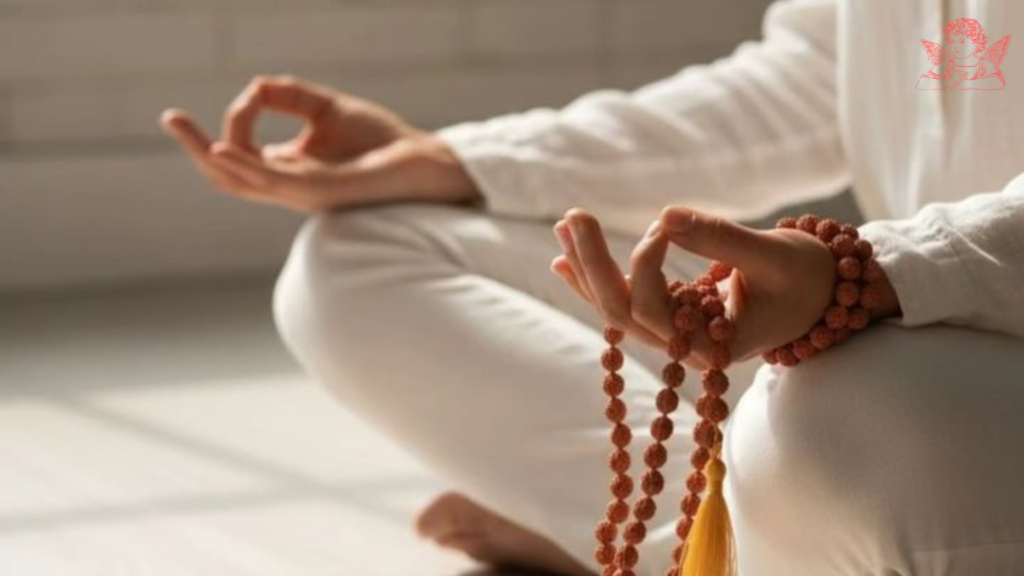
Emotional Healing Through Self Reiki Practice
Emotional stress often manifests in the body as tightness, fatigue, or recurring discomfort. Self reiki healing supports emotional processing by creating a nonjudgmental space where feelings can surface and release safely.
During self Reiki sessions, emotions may arise unexpectedly. You might feel sadness, relief, or even joy without a clear reason. This is a natural part of emotional energy moving through the system.
Rather than analyzing these emotions, allow them to pass through. Reiki works best when the mind does not interfere. Emotional healing often unfolds gently over time rather than in dramatic moments.
Using Reiki for Stress, Anxiety, and Mental Clarity
One of the most common reasons people turn to Reiki is stress relief. Modern life places constant demands on the nervous system, leaving many people in a state of chronic tension. Reiki helps shift the body into a restorative state.
When practiced regularly, self reiki healing can reduce mental noise and improve focus. The calming effect of Reiki supports better sleep, clearer thinking, and emotional balance.
Placing hands on the head and heart is particularly effective for stress related concerns. These areas store mental pressure and emotional weight. Reiki helps soften these layers without suppressing them.
Physical Support and Body Awareness in Reiki
Reiki does not replace medical treatment, but it can complement physical healing by supporting relaxation and awareness. When the body is relaxed, circulation improves and natural repair processes activate more efficiently.
During self Reiki sessions, you may become aware of areas that feel heavy, numb, or sensitive. These sensations offer information about where attention is needed. Reiki does not force healing but creates conditions that allow the body to respond.
Many practitioners find that regular Reiki practice improves posture awareness, reduces chronic tension, and enhances overall body connection.
Deepening Your Practice Beyond the Basics
As you become comfortable with reiki for beginners techniques, your practice naturally deepens. You may notice increased sensitivity to subtle energy or a stronger intuitive connection with your body’s needs.
Advanced self Reiki practice is less about technique and more about trust. You may feel guided to place your hands intuitively rather than following a set sequence. This intuitive flow allows Reiki to work in a more personalized way.
At this stage, self Reiki becomes a form of meditation rather than a task. Sessions may become shorter yet more effective, integrated naturally into daily life.
Reiki Symbols and Their Role in Self Healing
In traditional Reiki systems, symbols are introduced at advanced levels to help focus intention and amplify energy flow. These symbols are not magical tools but energetic reminders that support mental clarity.
When used in self reiki healing, symbols help access deeper layers of awareness. They are especially useful for emotional healing and mental patterns that feel deeply rooted.
It is important to learn symbols respectfully and through proper guidance. Even without symbols, Reiki remains effective. Symbols enhance practice but are not required for healing to occur.
Distance Healing and Self Reiki Across Time
One of the unique aspects of Reiki is its ability to work beyond physical presence. Distance healing allows practitioners to send Reiki to past experiences, future situations, or emotional patterns.
In self healing, this technique is often used to support inner child healing, emotional memory release, or anxiety about future events. Reiki helps soften emotional charge without reliving trauma.
Distance self Reiki works through intention and awareness. It is not about changing the past but about healing your relationship with it.
Integrating Self Reiki Healing Into Daily Life
The true power of self Reiki lies in consistency rather than intensity. Short daily sessions are more beneficial than occasional long ones. Even five minutes of Reiki can reset the nervous system.
Self Reiki can be integrated into morning routines, bedtime rituals, or moments of stress during the day. Placing hands on the heart for a few breaths during emotional overwhelm can bring immediate grounding.
Over time, Reiki becomes less of a practice and more of a way of being. Awareness, compassion, and balance begin to extend beyond sessions into everyday interactions.
The Role of Intuition, Self-Trust, and Inner Listening in Reiki Practice
One of the most transformative aspects of Reiki that often unfolds gradually is the development of intuition and self-trust. While many people begin Reiki seeking relaxation or relief from discomfort, long-term practitioners frequently discover that the practice reshapes how they listen to themselves. This inner listening becomes a quiet but powerful guide, influencing not only healing sessions but also everyday decisions, emotional boundaries, and personal growth.
Intuition in Reiki is not something mystical that appears suddenly. It is a natural sensitivity that strengthens as mental noise reduces and body awareness increases. When you practice Reiki regularly, you spend time in stillness without forcing outcomes. In this state, subtle signals become easier to notice. These signals may appear as a sense of knowing, a gentle urge to place hands in a certain area, or an inner feeling that something needs attention even if no physical symptom is present. This awareness grows organically and does not require special effort.
Self-trust develops alongside intuition. Many people are conditioned to look outside themselves for answers, validation, or permission. Reiki gently reverses this pattern. During self practice, there is no external authority directing the experience. You learn to rely on your own perception of comfort, readiness, and limits. Over time, this builds confidence in your ability to care for yourself without judgment or pressure.
Inner listening also changes how you relate to discomfort. Instead of immediately trying to fix or suppress sensations, Reiki encourages you to observe them with curiosity. Discomfort becomes information rather than a problem. This shift can be deeply empowering. When the body feels heard rather than controlled, it often responds with greater ease and cooperation. Healing then becomes a dialogue rather than a battle.
As intuition strengthens, Reiki sessions often become less structured. You may notice that strict timing or fixed sequences feel unnecessary. Some days your body may ask for stillness, while other days it may need grounding or emotional support. Honoring these variations helps align the practice with real needs rather than habits. This flexibility is a sign of maturity in Reiki practice, not inconsistency.
Inner listening also plays a role in recognizing when rest is needed outside of formal practice. Reiki can heighten awareness of exhaustion, overstimulation, or emotional overload that may have previously been ignored. Instead of pushing through, practitioners often feel more comfortable slowing down or saying no when necessary. This ability to respond rather than react contributes to long-term well-being.
Another important aspect of self-trust in Reiki is learning to respect timing. Healing does not follow linear expectations. Some changes happen quietly in the background before becoming visible. Reiki teaches patience by showing that forcing outcomes often creates resistance. When trust replaces urgency, healing unfolds in a more sustainable way. This lesson often extends into other areas of life, reducing frustration and burnout.
Intuition developed through Reiki is practical rather than abstract. It may guide you toward healthier routines, supportive relationships, or environments that feel more aligned. These insights are not commands but gentle nudges that become clearer with practice. Acting on them gradually strengthens confidence in your inner guidance system.
It is also important to understand that intuition does not mean constant clarity. There will be days when signals feel muted or confusing. Reiki does not eliminate uncertainty but changes how you relate to it. Instead of seeing uncertainty as failure, it becomes part of the learning process. Trust grows not from always knowing the answer, but from knowing you can remain present even when answers are unclear.
Inner listening cultivated through Reiki encourages compassion toward yourself. You become more aware of self-critical patterns and learn to soften them. This compassion creates emotional safety, which is essential for deeper healing. When the inner environment feels safe, the body and mind are more willing to release long-held tension.
Over time, Reiki practice can transform intuition from an occasional experience into a steady background presence. Decisions feel less forced, emotional reactions become less extreme, and self-care becomes intuitive rather than scheduled. This does not mean life becomes effortless, but it does mean you are better equipped to navigate challenges without losing connection to yourself.
Ultimately, the role of intuition and self-trust in Reiki highlights one of its most valuable teachings: healing is not about gaining something new, but about remembering how to listen. By returning attention inward again and again, Reiki helps rebuild a relationship with your inner wisdom. This relationship becomes a lifelong resource, supporting balance, clarity, and authenticity far beyond the boundaries of formal practice.

Common Challenges and Misconceptions
Many people stop practicing Reiki because they feel they are not doing it correctly. Reiki does not require perfection. Doubt often arises from the mind’s need for control.
Another misconception is that Reiki should produce dramatic sensations. Subtle healing is often more sustainable than intense experiences. Trust the process even when it feels quiet.
Some practitioners worry about emotional release being overwhelming. Reiki works gradually and safely, releasing only what you are ready to process.
Signs Your Self Reiki Healing Is Working
Healing does not always show up in obvious ways. Sometimes the first signs are subtle shifts in behavior or awareness.
You may notice:
- Improved emotional resilience
- Better sleep patterns
- Reduced reactivity to stress
- Increased self compassion
These changes indicate that energy is balancing at deeper levels. Reiki supports long term transformation rather than quick fixes.
Ethics, Boundaries, and Self Responsibility
Self Reiki healing encourages personal responsibility rather than dependency. Reiki empowers you to listen to your body and respect its limits.
It is important to maintain healthy boundaries, especially when using Reiki for emotional healing. If deep trauma surfaces, seeking professional support alongside Reiki is a wise choice.
Reiki works best when combined with self honesty, patience, and grounded action.
Advanced Awareness and Spiritual Growth Through Reiki
As self Reiki practice matures, many people experience a natural expansion of awareness. This does not mean escaping reality but becoming more present within it.
Advanced Reiki practice often leads to greater intuition, empathy, and alignment with personal values. Healing becomes less about fixing and more about acceptance.
This stage of Reiki is deeply personal and unfolds uniquely for each individual.
The Long Term Journey of Self Reiki Healing
Self reiki healing is not a destination but an ongoing relationship with yourself. Some days the practice feels deep and meaningful, while other days it feels simple and quiet. Both are valuable.
The longer you practice, the more you trust your inner signals. Healing becomes less about effort and more about listening.
Reiki reminds us that healing is not something we achieve but something we allow. By showing up consistently and compassionately, we give our body and mind the space they need to restore balance naturally.
Energy Sensitivity, Personal Boundaries, and Staying Grounded in Daily Life
As Reiki practice deepens, many individuals notice an increase in energy sensitivity. This heightened awareness is not limited to formal healing sessions but often extends into everyday experiences. Sounds may feel louder, emotions more intense, and environments more impactful. While this sensitivity can enhance self awareness and empathy, it also requires conscious grounding and healthy boundaries to remain balanced and stable in daily life.
Energy sensitivity develops naturally as tension releases and awareness sharpens. When the nervous system is no longer operating in constant survival mode, it becomes more receptive to subtle information. This can be a positive shift, allowing deeper understanding of personal needs and emotional signals. However, without grounding, increased sensitivity may feel overwhelming or draining. Learning to stay anchored in the body becomes essential.
Grounding is the process of connecting awareness to the present moment and physical reality. In Reiki practice, grounding is not about blocking energy but about stabilizing it. When energy flows without grounding, it can feel scattered or uncontained. Simple awareness of posture, breath, and physical contact with the ground helps maintain balance. Grounding allows sensitivity to become a source of insight rather than stress.
Personal boundaries play a crucial role in managing energy sensitivity. As awareness increases, you may become more conscious of how interactions affect your emotional and physical state. Certain environments or conversations may feel heavy or exhausting, even if they did not before. This does not mean something is wrong, but rather that your perception has become more refined.
Healthy boundaries are not about withdrawal or avoidance. They are about recognizing limits and honoring them respectfully. Reiki encourages self responsibility, which includes choosing when to engage and when to rest. Learning to pause before overcommitting helps conserve energy and prevent burnout. Boundaries protect sensitivity so it can be used constructively rather than defensively.
Staying grounded in daily life also involves maintaining a strong connection to the physical body. While Reiki works with subtle energy, it is equally important to stay embodied. Simple physical activities such as walking, stretching, or mindful movement help anchor awareness. These practices remind the nervous system that it is safe to be present in the body.
Emotional grounding is another key aspect. Increased sensitivity may bring awareness of emotions that were previously suppressed or ignored. Rather than labeling these emotions as negative, grounding helps you observe them without becoming overwhelmed. Allowing emotions to pass through awareness without identifying with them creates emotional stability over time.
Energy sensitivity can also affect how you experience collective environments such as workplaces or social gatherings. Crowded or chaotic spaces may feel draining, while calm environments feel nourishing. Developing grounding skills allows you to remain centered regardless of external conditions. This skill is particularly valuable for those who practice healing or caregiving roles.
One effective grounding approach is to consciously direct attention downward. Feeling the weight of the body, the support of the floor, or the contact of the feet with the ground helps stabilize energy. This simple shift in awareness can quickly reduce overstimulation. Grounding is not a one time action but a habit that strengthens with practice.
Boundaries also extend to emotional responsibility. Increased sensitivity can sometimes lead to absorbing others’ emotions unintentionally. Reiki practice teaches that empathy does not require taking on another person’s emotional state. Learning to witness without absorbing protects both your energy and your ability to respond compassionately.
Another important aspect of staying grounded is recognizing when rest is needed. Sensitivity often increases during periods of personal growth or emotional processing. During these times, the body may require more rest than usual. Honoring this need without guilt supports long-term balance and prevents exhaustion.
Daily routines play a supportive role in grounding. Regular sleep patterns, nourishing food, and simple structure help stabilize energy. While Reiki is subtle, the body still relies on practical care. Integrating grounding habits into everyday life creates a stable foundation for deeper energy work.
It is also helpful to understand that sensitivity fluctuates. Some days you may feel deeply connected and aware, while other days feel more neutral. These fluctuations are natural and often reflect internal cycles rather than progress or failure. Accepting this variability reduces pressure and supports emotional resilience.
As sensitivity becomes integrated rather than overwhelming, it often brings a sense of clarity and calm. You may find it easier to sense what environments support you and which ones drain you. This awareness allows for more intentional choices that align with well-being.
Ultimately, energy sensitivity developed through Reiki is not about becoming fragile or isolated. It is about becoming more responsive and self aware. With grounding and boundaries, sensitivity becomes a strength that supports balanced living. By staying connected to the body, honoring limits, and responding gently to internal signals, Reiki practitioners learn to navigate daily life with greater stability, presence, and confidence.

Long-Term Transformation Through Reiki Practice and Conscious Self-Reflection
Reiki is often introduced as a gentle method for relaxation or emotional balance, but its deeper value becomes clear through long-term practice. Over time, Reiki supports a gradual transformation that touches identity, self-perception, and the way life experiences are processed. This transformation does not occur through dramatic shifts but through consistent moments of awareness and reflection. As the practice matures, healing evolves from symptom relief into conscious self-understanding.
From Healing Sessions to a Reflective Lifestyle
In the early stages, Reiki is usually practiced in set sessions with clear beginnings and endings. With continued engagement, the boundary between practice and daily life begins to dissolve. Moments of stress, confusion, or fatigue naturally invite awareness rather than reaction. This shift reflects a deeper integration of Reiki into everyday consciousness.
Self-reflection becomes a natural companion to Reiki practice. After sessions, you may find yourself questioning patterns that no longer serve you or noticing emotional habits that repeat. These observations are not meant to create self-criticism but insight. Reiki encourages curiosity instead of judgment, allowing growth to unfold organically.
Awareness of Patterns and Personal Conditioning
Long-term Reiki practice often reveals unconscious patterns shaped by past experiences, relationships, and beliefs. These patterns may show up as emotional reactions, avoidance behaviors, or internal resistance to change. Reiki does not confront these patterns aggressively. Instead, it creates a supportive environment where they can be observed safely.
Through regular self practice, awareness expands beyond immediate sensations to include underlying motivations and fears. This awareness helps loosen the grip of old conditioning. When patterns are seen clearly without attachment, they begin to lose their influence naturally.
Developing Emotional Maturity and Inner Stability
One of the most significant long-term effects of Reiki is emotional maturity. Emotional maturity does not mean the absence of emotion but the ability to experience feelings without being overwhelmed by them. Reiki supports this by strengthening the connection between awareness and emotional experience.
As emotional regulation improves, reactions soften. Situations that once triggered intense responses may feel more manageable. This does not indicate emotional numbness but increased capacity. Reiki helps create space between stimulus and response, allowing thoughtful action rather than impulsive reaction.
Redefining Self-Care and Responsibility
Over time, Reiki reshapes the concept of self-care. Rather than being an occasional activity, self-care becomes a continuous process of listening and responding. Reiki fosters responsibility for personal well-being without promoting self-blame. When discomfort arises, it is approached as information rather than failure.
This shift encourages proactive care. Instead of waiting until exhaustion or imbalance becomes severe, subtle signals are recognized early. Responding to these signals helps maintain balance and reduces the need for recovery from extremes.
Integration of Mind, Body, and Awareness
A mature Reiki practice strengthens the connection between mind, body, and awareness. Thoughts are no longer experienced as absolute truth but as mental activity that can be observed. Physical sensations are acknowledged without immediate interpretation. This integration supports clarity and grounded presence.
As awareness stabilizes, inner dialogue often becomes gentler. The critical inner voice softens, replaced by a more compassionate perspective. This internal environment supports healing at deeper levels, as the body responds positively to a sense of safety and acceptance.
Growth Without Pressure or Expectation
A key lesson Reiki teaches over time is the value of non-striving. Personal growth is often driven by pressure to improve or fix oneself. Reiki offers an alternative approach, where growth emerges naturally through awareness and acceptance.
Releasing rigid expectations allows healing to unfold in its own rhythm. Progress may not always be visible, but subtle shifts accumulate over time. Trusting this process reduces frustration and supports sustainable transformation.
Living With Greater Authenticity and Alignment
As self-awareness deepens, choices begin to reflect inner values more clearly. Decisions feel less influenced by external approval and more aligned with personal truth. This alignment supports a sense of authenticity that extends into relationships, work, and creative expression.
Reiki does not prescribe how life should be lived. Instead, it helps remove internal noise so that authentic direction becomes easier to recognize. Living in alignment reduces inner conflict and fosters a sense of quiet confidence.
Continuing the Journey With Openness
Long-term Reiki practice is not a final destination but an ongoing exploration. Each phase of life brings new challenges and opportunities for growth. Reiki provides a stable foundation that adapts to these changes without rigidity.
By combining Reiki with conscious self-reflection, practitioners cultivate resilience and flexibility. Healing becomes a continuous dialogue rather than a problem to solve. This openness supports lifelong learning and self-discovery.
Embracing Transformation as an Ongoing Process
The long-term impact of Reiki extends far beyond physical relaxation or emotional comfort. Through consistent practice and honest self-reflection, Reiki supports a deep transformation rooted in awareness and acceptance. This transformation unfolds quietly, shaping how experiences are understood and how life is lived.
Rather than promising instant change, Reiki offers something more enduring: the ability to meet life as it is, with clarity, compassion, and balance. Through this ongoing process, healing becomes less about fixing and more about living in alignment with one’s true nature.
Conclusion: Embracing Reiki as a Way of Life
Reiki offers a gentle yet powerful path toward balance, awareness, and inner harmony. From reiki for beginners learning simple hand placements to advanced practitioners exploring intuitive flow, Reiki meets each person exactly where they are.
Self reiki healing teaches us that we already carry the capacity to support our own well being. Through consistent practice, mindful presence, and trust in the process, Reiki becomes more than a healing technique. It becomes a way of living with greater compassion, clarity, and connection.
By embracing energy self healing techniques as part of daily life, we move away from constant struggle and toward a state of natural alignment. Reiki does not promise perfection, but it offers something far more valuable: a steady return to balance, one breath and one moment at a time.
Watch: Related Video
Frequently Asked Questions