Aromatherapy & Essential Oils for Emotional and Chakra Healing
In a world that constantly pulls us outward toward noise, responsibility, and expectation, many people are quietly searching for ways to come back home to themselves. Emotional exhaustion, mental overload, and spiritual disconnection have become common experiences, even when life appears “fine” on the surface. This is where ancient healing systems like aromatherapy chakra healing and chakra balancing begin to feel deeply relevant again. They do not rush the healing process. They invite it. Gently. Naturally. Intuitively.
Aromatherapy for chakra healing is not just about pleasant scents or relaxation rituals. It is about understanding how aroma interacts with the nervous system, the emotional body, and the subtle energy centers that govern our psychological and spiritual wellbeing. Essential oils carry concentrated plant intelligence, distilled not only from leaves, roots, flowers, and resins but also from centuries of healing wisdom. When used intentionally, they become tools for emotional release, energetic cleansing, and inner alignment.
Every emotion we experience is not only felt in the heart or the mind. It is stored in the body, often settling into energy patterns that influence our mood, confidence, creativity, relationships, and sense of purpose. Over time, these emotional imprints can block the natural flow of energy through the chakras. This is why emotional healing and chakra work are inseparable. When one shifts, the other follows.
In this guide, we will explore how essential oils and emotional healing practices can support the seven primary chakras, how different aromas affect the psyche, and how you can build simple, meaningful rituals that nourish your emotional and energetic health. This is not about perfection or rigid routines. It is about listening to yourself more deeply and allowing nature to support your healing.
Understanding Aromatherapy as a Healing Language
Aromatherapy is often misunderstood as something superficial, like scented candles or spa experiences. While these can be enjoyable, true aromatherapy is a therapeutic system rooted in how aromatic molecules interact with the limbic system of the brain. This part of the brain governs memory, emotion, mood, and instinctual responses. It is why a single scent can transport you back to childhood or suddenly make you feel safe, nostalgic, or uplifted.
When you inhale an essential oil, its molecules travel directly to the olfactory receptors, sending signals to the brain almost instantly. This process bypasses rational thought and speaks directly to emotion. This is why aromatherapy for anxiety can be so effective for emotional healing. You do not need to analyze your feelings for the oil to work. The body understands before the mind does.
From an energetic perspective, aromas also influence the subtle body. Each essential oil has a vibrational frequency, just like every emotion does. Fear, grief, joy, love, and peace all carry unique energetic signatures. When you introduce a scent that vibrates at a higher or more harmonious frequency, it can gently encourage emotional release and energetic realignment.
This is the foundation of aromatherapy for chakra healing. It is not about forcing change but about creating an environment where healing becomes natural.

The Chakra System and Emotional Memory
The chakra system originates from ancient Indian spiritual traditions and describes seven primary energy centers along the spine. Each chakra governs specific physical, emotional, and spiritual themes. When energy flows freely through these centers, we experience emotional balance, mental clarity, and spiritual connection. When blockages occur, we may feel stuck, anxious, disconnected, or overwhelmed.
Chakras are not just metaphysical ideas. They are deeply tied to our emotional experiences. Trauma, heartbreak, chronic stress, and unexpressed feelings can lodge themselves within these energy centers, affecting not only our emotional health but also our physical wellbeing.
For example, unresolved grief often settles in the heart chakra, leading to emotional numbness or fear of intimacy. Chronic fear can weaken the root chakra, creating instability and insecurity. Repressed self-expression may block the throat chakra, making it hard to speak your truth.
Chakra oils are chosen not only for their scent but for their emotional and energetic qualities. When used intentionally, they can gently soften resistance, encourage emotional flow, and restore harmony.
How Essential Oils Influence Emotional Healing
Essential oils emotional healing works on multiple levels at once. This is what makes them so powerful. On a physical level, many oils interact with neurotransmitters like serotonin and dopamine, helping regulate mood and stress responses. On an emotional level, they provide comfort, grounding, or upliftment. On an energetic level, they cleanse, protect, and realign.
What makes essential oils unique is their intelligence. Lavender does not just smell calming. It actively supports the nervous system. Frankincense does not just smell sacred. It encourages introspection and emotional depth. Rose does not just smell romantic. It opens the heart and softens emotional armor.
When you work with oils consistently, you may notice emotional patterns surfacing. Memories might arise. Feelings you did not know were buried may gently come into awareness. This is not a problem. This is healing.
Aromatherapy does not suppress emotions. It helps you move through them.
The Root Chakra and Emotional Safety
The root chakra is the foundation of the energy system. It governs safety, survival, stability, and belonging. When this chakra is balanced, you feel grounded, secure, and supported by life. When it is blocked or underactive, you may experience fear, anxiety, restlessness, or a constant sense of unease.
Emotional wounds related to abandonment, financial stress, childhood instability, or chronic insecurity often lodge here. Aromatherapy for chakra oils healing can be especially helpful for the root chakra because scent has a grounding effect on the nervous system.
Essential oils like vetiver, patchouli, cedarwood, and sandalwood are commonly used for root chakra healing. These oils have deep, earthy aromas that remind the body of safety and stability. They help slow racing thoughts, relax tense muscles, and bring awareness back into the body.
Using these oils in daily rituals can help reprogram the subconscious to feel safe again. This is not instant. But it is profound.
The Sacral Chakra and Emotional Flow
The sacral chakra governs emotions, creativity, pleasure, intimacy, and self-worth. It is where we process joy, desire, and emotional expression. When balanced, you feel emotionally fluid, creative, and open to connection. When blocked, you may feel numb, guilty, emotionally unstable, or disconnected from pleasure.
Many people carry shame, heartbreak, and suppressed emotions in this chakra. This is where essential oils emotional healing becomes particularly powerful.
Sweet orange, ylang-ylang, jasmine, and neroli are often associated with sacral chakra healing. These oils awaken joy, sensuality, and emotional warmth. They remind the body that pleasure is safe and that emotions are meant to move, not stagnate.
Sacral chakra work through aromatherapy can be deeply transformative because it allows suppressed emotions to surface gently. Tears may come. Laughter may arise. Both are healing.
The Solar Plexus Chakra and Personal Power
The solar plexus chakra governs confidence, self-esteem, willpower, and identity. It is the seat of personal power. When this chakra is balanced, you feel capable, motivated, and self-assured. When blocked, you may struggle with self-doubt, indecision, or people-pleasing.
This chakra is often wounded by criticism, failure, rejection, and environments that discourage self-expression. Over time, these wounds can create chronic anxiety or a fear of taking up space.
Essential oils like lemon, bergamot, ginger, and rosemary are commonly used to support the solar plexus. Their bright, energizing aromas stimulate confidence and mental clarity.
Aromatherapy for chakra healing at this level helps you reconnect with your inner strength. It does not make you aggressive. It makes you authentic.
The Heart Chakra and Emotional Healing
The heart chakra is the bridge between the lower and upper chakras, connecting physical reality with spiritual awareness. It governs love, compassion, forgiveness, emotional intimacy, and connection. When this chakra is balanced, you feel open, empathetic, and capable of giving and receiving love without fear. When it is blocked, emotional pain often shows up as grief, resentment, loneliness, or emotional withdrawal.
Many people unknowingly protect their hearts by closing them. This can happen after heartbreak, betrayal, childhood wounds, or long periods of emotional neglect. While these defenses may feel necessary for survival, they also prevent joy, intimacy, and authentic connection from entering.
Aromatherapy for chakra healing offers a gentle way to reopen the heart without forcing vulnerability. Essential oils associated with the heart chakra include rose, geranium, lavender, bergamot, and jasmine. These oils do not push emotions to the surface aggressively. They soften emotional armor, creating a sense of safety where feelings can naturally unfold.
Rose oil, in particular, is often called the oil of unconditional love. It encourages emotional release, nurtures self-compassion, and gently dissolves emotional walls. Lavender brings emotional calm and helps regulate overwhelming feelings. Geranium restores emotional balance and supports healing from grief.
Using these oils during moments of reflection, journaling, or meditation can allow suppressed emotions to surface without overwhelm. Tears that arise during these practices are not weakness. They are signs that the heart is remembering how to feel again.
The Throat Chakra and Emotional Expression
The throat chakra governs communication, truth, authenticity, and self-expression. It is where your inner world meets the outer world. When this chakra is balanced, you speak with clarity, honesty, and confidence. When blocked, you may struggle with fear of judgment, suppressed emotions, people-pleasing, or difficulty expressing needs.
Many emotional wounds become trapped here. Words unsaid, truths swallowed, emotions silenced for the sake of harmony can create energetic congestion. Over time, this can manifest as chronic throat tension, tightness in the neck, or difficulty articulating feelings.
Essential oils that support throat chakra healing include eucalyptus, peppermint, chamomile, and blue tansy. These oils encourage clarity, release emotional tension, and support honest expression.
Peppermint stimulates mental clarity and courage. Chamomile soothes emotional irritation and frustration. Eucalyptus helps clear emotional stagnation and invites openness.
Working with chakra oils at this level can help you reconnect with your voice, not just verbally but emotionally. You may find yourself expressing feelings more easily, setting boundaries with less guilt, and speaking your truth with compassion rather than fear.

The Third Eye Chakra and Emotional Insight
The third eye chakra governs intuition, inner wisdom, imagination, and perception. It allows you to see beyond surface-level reality and understand deeper emotional patterns. When balanced, you trust your intuition, understand your emotional cycles, and recognize subconscious influences. When blocked, confusion, emotional detachment, or overthinking may dominate.
This chakra often becomes imbalanced when emotions are ignored or intellectualized rather than felt. Many people live in their minds, analyzing emotions instead of experiencing them. Over time, this can lead to disconnection from intuition and emotional numbness.
Essential oils like frankincense, clary sage, sandalwood, and juniper support third eye healing. These oils quiet mental chatter and deepen emotional awareness.
Frankincense encourages introspection and emotional depth. Clary sage supports emotional clarity and inner vision. Sandalwood grounds spiritual awareness into emotional stability.
Aromatherapy for chakra healing at this level helps you understand why you feel the way you do, not through logic but through inner knowing. This kind of insight brings peace that thinking alone cannot provide.
The Crown Chakra and Emotional Surrender
The crown chakra connects you to universal consciousness, divine energy, and spiritual understanding. It governs trust, faith, surrender, and a sense of meaning. When balanced, you feel supported by life, even during difficult moments. When blocked, you may feel disconnected, hopeless, or spiritually empty.
Emotional wounds related to existential fear, loss of purpose, or spiritual disconnection often lodge here. These wounds can create a subtle sense of loneliness that nothing external seems to fix.
Essential oils like lotus, myrrh, frankincense, and lavender support crown chakra healing. These oils promote stillness, peace, and emotional surrender.
Healing this chakra does not mean escaping reality. It means learning to trust life again. Aromatherapy can support this by calming the nervous system and opening awareness beyond fear.
How to Choose the Right Chakra Oils
Choosing chakra oils is not only about following charts or recommendations. Your body and emotions will often guide you toward what you need most. If a particular scent makes you emotional, comforted, or suddenly relaxed, it may be working on a deeper level.
Pay attention to your reactions. If an oil feels overwhelming, it may be touching a wound that is not ready to open yet. Healing is not about pushing. It is about listening.
Your intuition is a powerful guide in aromatherapy.
Creating Emotional Healing Rituals with Aromatherapy
Rituals do not need to be elaborate to be powerful. A simple moment of intention can create deep emotional shifts. The key is presence.
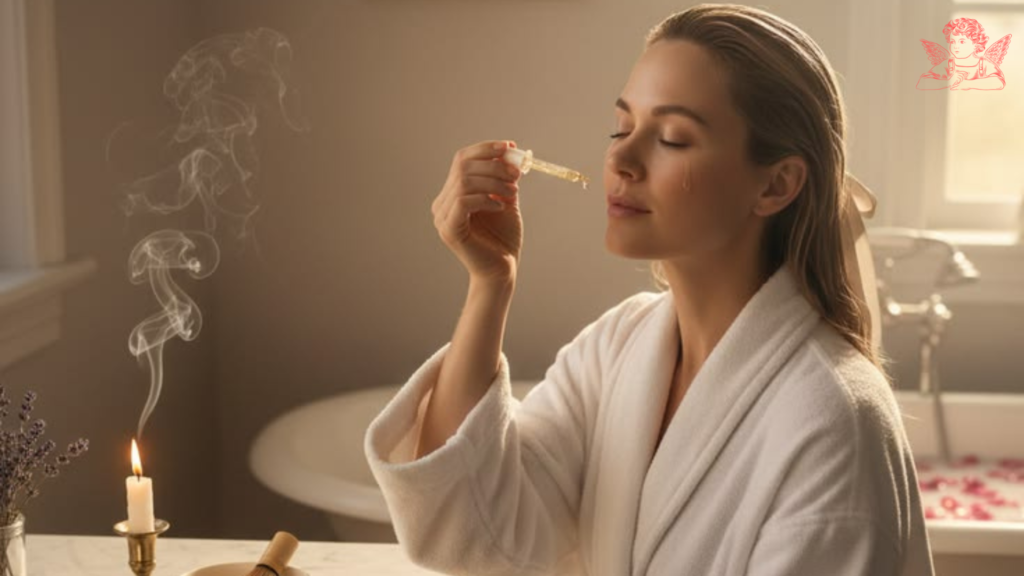
Begin by choosing an oil that resonates with your current emotional state. Sit quietly, apply a diluted drop to your wrists or heart area, and inhale slowly. Let your body respond naturally. Thoughts may arise. Memories may surface. Let them come without judgment.
This is not about fixing yourself. It is about witnessing yourself.
Consistency matters more than complexity. Five minutes a day can be more healing than an hour once a month.
Emotional Release Through Scent
Scent has the ability to bypass the rational mind. This makes it an incredible tool for emotional release. When working with essential oils emotional healing practices, you may experience spontaneous emotional shifts.
Sometimes emotions surface unexpectedly. This is a sign that the oil is working at a subconscious level. Allow yourself to feel without needing to understand immediately.
Healing does not require explanations. It requires permission.
Trauma-Sensitive Use of Aromatherapy
While aromatherapy is gentle, it can still bring up deep emotions. If you have a history of trauma, approach this work with kindness. Do not force emotional release. Do not overwhelm yourself with intense scents.
Start slow. Use grounding oils. Work with one chakra at a time.
Healing is not a race.
Integrating Aromatherapy Into Daily Life
Aromatherapy does not need to be confined to meditation sessions. You can integrate it into your everyday life. Diffuse calming oils while working. Apply uplifting oils before social interactions. Use grounding oils before sleep.
These small practices rewire emotional patterns over time.
Long-Term Chakra Healing Through Consistency
True healing is not dramatic. It is subtle. Over weeks and months, you may notice emotional stability, improved self-awareness, and deeper inner peace.
This is the power of aromatherapy for chakra healing.
Advanced Chakra Oil Blending for Emotional Healing
Once you become familiar with individual oils and their emotional qualities, you may feel called to blend them. Blending is not just a creative process. It is a deeply intuitive one. Each oil contributes a layer of emotional resonance, creating a synergistic effect that is more powerful than any single oil alone.
For chakra healing, blends are often created with three types of oils. A base note provides grounding and emotional stability. A middle note brings balance and emotional movement. A top note uplifts, clears, and energizes. This structure mirrors the emotional healing process itself. First you feel safe. Then you process. Then you rise.
For example, a root chakra blend might include vetiver as the base, cedarwood as the middle, and sweet orange as the top. This combination grounds fear, stabilizes emotional tension, and gently introduces optimism.
Blending becomes a form of emotional storytelling. Your subconscious recognizes what it needs, even when your conscious mind cannot articulate it. When you allow intuition to guide your blending, you begin working with oils not as tools but as allies.
This is the heart of aromatherapy for chakra healing. It is not formulaic. It is relational.
Emotional Healing Happens in Cycles
One of the most misunderstood aspects of emotional healing is the belief that once you heal something, it is gone forever. In reality, healing is cyclical. Old emotions may resurface in new forms. Patterns may repeat at deeper levels. This does not mean you are failing. It means you are evolving.
Essential oils emotional healing practices support this cyclical nature. They do not force closure. They offer companionship through the process.
You may notice that an oil that once comforted you no longer resonates. This is not a loss. It is a sign that your emotional landscape has changed. Another oil will call to you.
Your relationship with scent evolves as you do.
Chakra Imbalances and Their Emotional Patterns
Each chakra has emotional themes that show up in daily life. When these themes become distorted, they manifest as emotional habits rather than isolated feelings.
A root chakra imbalance may show up as chronic worry, fear of change, or a feeling of being unsupported. A sacral imbalance may appear as emotional dependency, guilt around pleasure, or creative blocks. A solar plexus imbalance often shows up as people-pleasing, low confidence, or control issues. A heart imbalance can manifest as emotional withdrawal, bitterness, or fear of vulnerability. A throat imbalance may appear as suppressed anger, dishonesty with oneself, or fear of confrontation. A third eye imbalance may create confusion, emotional detachment, or mistrust of intuition. A crown imbalance often shows up as hopelessness, existential anxiety, or spiritual disconnection.
Chakra oils do not erase these patterns instantly. They soften them. They make space for awareness. They gently interrupt emotional autopilot.
This is how real transformation begins.
Morning Aromatherapy Rituals for Emotional Alignment
Mornings set the emotional tone for the entire day. Even a few mindful moments can radically shift how you experience stress, connection, and self-awareness.
Begin by choosing an oil or blend that matches how you want to feel, not how you currently feel. This may sound counterintuitive, but it is powerful. If you wake up anxious, choose grounding oils. If you wake up heavy, choose uplifting oils. If you wake up numb, choose heart-opening oils.
Apply the oil to your wrists, inhale slowly, and set a simple intention. Not a goal. A feeling. Safety. Clarity. Ease. Presence.
This is not about controlling your emotions. It is about befriending them.
Evening Aromatherapy Rituals for Emotional Release
Night is when suppressed emotions surface. The mind relaxes its grip. Memories, feelings, and unresolved energy come forward.
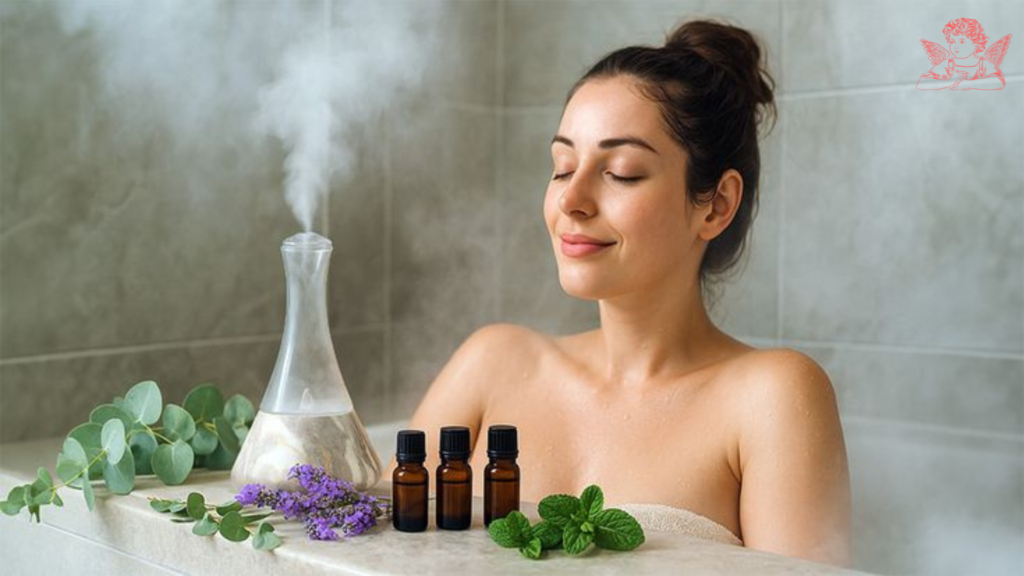
Evening rituals should focus on release, not productivity. Choose calming oils like lavender, frankincense, sandalwood, or chamomile. Apply them gently, not hurriedly.
Let your body exhale the day.
You may find yourself reflecting, crying, journaling, or simply breathing. All of these are healing responses.
This is how essential oils emotional healing works. It gives your emotions permission to move.
Chakra Oils for Relationships
Relationships activate our chakras more than almost anything else. Love, conflict, attachment, abandonment, intimacy, and vulnerability all stir deep emotional layers.
Heart chakra oils help soften emotional defenses. Throat chakra oils help express needs. Sacral chakra oils restore emotional flow and connection. Solar plexus oils support boundaries and self-worth.
Using chakra oils during relational healing work can bring gentleness into difficult emotional terrain. They remind your nervous system that you are safe, even when emotions feel intense.
Chakra Oils for Anxiety and Stress
Anxiety is not just a mental state. It is an energetic and emotional response to perceived threat.
Root chakra oils ground. Heart chakra oils soothe. Third eye oils quiet mental noise. Crown chakra oils help surrender control.
When you understand anxiety through the chakra system, it becomes less mysterious and more manageable.
Aromatherapy for chakra healing does not remove stress from life. It changes how your nervous system responds to it.
The Science and Subtle Energy of Aromatherapy
While chakra systems come from ancient spiritual traditions, modern neuroscience confirms that scent directly affects emotional regulation. The olfactory bulb connects directly to the limbic system, which governs emotional memory, mood, and stress responses.
This is why aromatherapy works even when you do not believe in chakras. Your nervous system responds regardless of belief.
Energy healing explains this in a different language. It speaks of vibration, resonance, and frequency.
Both perspectives point to the same truth. Scent changes how you feel.
Safety and Conscious Use of Essential Oils
Healing should never come at the cost of physical safety. Essential oils are powerful. They must be diluted properly, used mindfully, and respected.
More is not better. Stronger is not deeper.
Emotional healing happens through gentleness, not force.
If a scent overwhelms you, step back. Healing should feel supportive, not invasive.
Long-Term Emotional Transformation Through Aromatherapy
True emotional healing is not dramatic. It is subtle. It shows up as calmer reactions, clearer boundaries, deeper self-trust, and emotional resilience.
Over time, you may notice that things that once triggered you no longer do. You may feel more present in your body. More connected to your intuition. More compassionate with yourself.
This is not a coincidence. This is integration.
How Aromatherapy Rewrites Emotional Memory and Energy Patterns
One of the most overlooked aspects of healing is the role of memory. Not the kind you consciously recall, but the kind your body remembers without words. Emotional memory is stored not just in the mind but in the nervous system, the tissues, the breath, and the energetic field. This is why you may react strongly to situations that logically seem harmless. The reaction is not about the present moment. It is about an old emotional imprint being activated.
Aromatherapy works on this deeper layer of memory. When you inhale a scent, it does not travel through logic or reasoning first. It travels through feeling. It enters the limbic system, the emotional brain, where memory and survival instincts reside. This is why a single aroma can make you feel safe, nostalgic, uneasy, or deeply comforted within seconds. Your body recognizes emotional associations faster than your mind can analyze them.
In chakra healing, this becomes especially important because each chakra holds emotional memory related to specific life themes. The root chakra stores experiences related to safety, stability, and survival. The sacral chakra holds emotional memories around intimacy, pleasure, and creative expression. The solar plexus contains experiences of confidence, power, and identity. The heart carries memories of love, loss, and connection. The throat stores experiences of suppression and expression. The third eye holds emotional impressions tied to trust, confusion, and insight. The crown stores memories related to faith, surrender, and meaning.
These memories are not always clear or verbal. Many are formed in childhood, long before language could fully describe them. This is why emotional healing cannot rely on talking alone. Some experiences need to be felt, not explained. Aromatherapy offers a pathway to these deeper layers because scent communicates in the same nonverbal language as the subconscious.
When you use essential oils intentionally, you are not just changing your mood for a moment. You are inviting your nervous system to form new emotional associations. For example, if your body has learned that vulnerability equals danger, heart-opening oils like rose or geranium can slowly reintroduce vulnerability as something safe. If your system has learned that rest equals laziness or failure, grounding oils like sandalwood or vetiver can help rewire rest as something nourishing.
This is how emotional patterns change, not through force, but through repetition of safety.
Over time, the body begins to associate certain emotional states with calm instead of fear, presence instead of dissociation, openness instead of tension. This is not dramatic. It is subtle. But it is profound.
Another powerful aspect of aromatherapy is that it works even when you are not consciously focusing on healing. You do not have to analyze your trauma or name every feeling. Your body does the work in the background. This makes it especially supportive for people who feel overwhelmed by emotional introspection or who have experienced trauma that feels too intense to approach directly.
This is also why it is important to work with oils slowly. Emotional healing does not respond well to urgency. When the nervous system feels rushed, it tightens. When it feels safe, it opens. Healing happens in the opening.
As you work with chakra oils, you may begin to notice patterns in your preferences. Some oils may feel comforting, while others feel irritating. This is not random. Your emotional body is communicating. Oils that feel uncomfortable often touch areas that are wounded. Oils that feel soothing often support areas that are ready to heal.
This does not mean you should avoid discomfort entirely. It means you should approach it with curiosity rather than judgment. Healing is not about eliminating pain. It is about learning how to be with it without becoming it.
Aromatherapy also helps regulate emotional intensity. Many people oscillate between emotional numbness and emotional overwhelm. Both are signs of dysregulation. Numbness is not peace. Overwhelm is not depth. Healing is found in the middle ground where emotions can move without flooding or freezing.
Different oils support different emotional states. Some calm. Some energize. Some open. Some ground. Over time, you learn to read your emotional landscape like weather. You begin to sense what kind of support you need, rather than defaulting to habits that suppress or distract.
This is emotional maturity.
Chakra healing deepens this process by offering a framework for understanding where emotions live in the body. Instead of asking, “What is wrong with me,” you begin to ask, “Where does this feeling live, and what does it need.” This question alone can change everything.
For example, anxiety that feels heavy and rooted in the stomach often relates to the solar plexus. Anxiety that feels shaky and existential often relates to the root. Anxiety that feels like emotional longing often relates to the heart. When you can sense this, you can choose oils that speak directly to that energetic center, making your healing more precise and compassionate.
This approach also teaches emotional responsibility. Not blame, but ownership. You stop waiting for others to regulate your nervous system. You learn to support yourself.
This is empowerment, not isolation.
Another important layer of this work is emotional integration. Many people try to heal by only focusing on the “positive” emotions. Calm. Gratitude. Love. Light. While these are beautiful, they are incomplete. Wholeness includes grief, anger, fear, and sadness. When you deny these emotions, they do not disappear. They hide.
Aromatherapy allows you to approach these heavier emotions gently. Oils like myrrh, patchouli, or frankincense do not force happiness. They offer presence. They sit with you in the dark without trying to fix it.
This kind of companionship is rare in modern culture, which often rushes grief and avoids discomfort. Healing happens when emotions are allowed to complete their natural cycles.
You may also notice that as emotional blocks release, your identity begins to shift. You may feel less reactive. Less defensive. More spacious. This can be disorienting at first. Many people unconsciously identify with their wounds. When those wounds soften, there can be a strange emptiness.
This is not loss. This is freedom.
Aromatherapy helps fill that space with gentleness rather than confusion. It gives your nervous system something familiar to lean on while you become someone new.
This is also where spiritual growth intersects with emotional healing. When you release old emotional patterns, your perception changes. You may feel more connected to life, more trusting, more curious. This is crown chakra healing, not as an abstract concept but as lived experience.
You begin to feel that life is not happening to you, but with you.
One of the most beautiful aspects of this work is that it does not require belief. You do not have to intellectually accept chakras or energy for your body to respond to scent. Your nervous system does not require philosophy. It requires safety.
Scent offers that.
As you continue working with aromatherapy, you may notice that you become more sensitive, not in a fragile way, but in an attuned way. You feel your needs earlier. You recognize emotional shifts sooner. You respond instead of react.
This is what regulation looks like.
Healing is not about never feeling pain again. It is about not being controlled by it.
And this is the deepest gift of aromatherapy for chakra healing. It does not promise a life without difficulty. It promises a deeper relationship with yourself as you move through difficulty.
This relationship is what makes everything else manageable.
Final Integration: Living in Emotional Alignment
Aromatherapy for chakra healing is not about fixing yourself. It is about remembering yourself.
Your emotions are not problems to solve. They are messages to listen to.
Your chakras are not broken. They are responsive.
Your energy is not stagnant. It is waiting for permission to move.
Essential oils do not heal you. They remind you how to heal yourself.
This is the deepest truth of essential oils emotional healing. They are not the medicine. You are.
When you work with scent consciously, when you listen to your emotional body, when you honor your energy, healing becomes less of a task and more of a relationship.
A relationship with yourself.
Watch: Related Video
Frequently Asked Questions