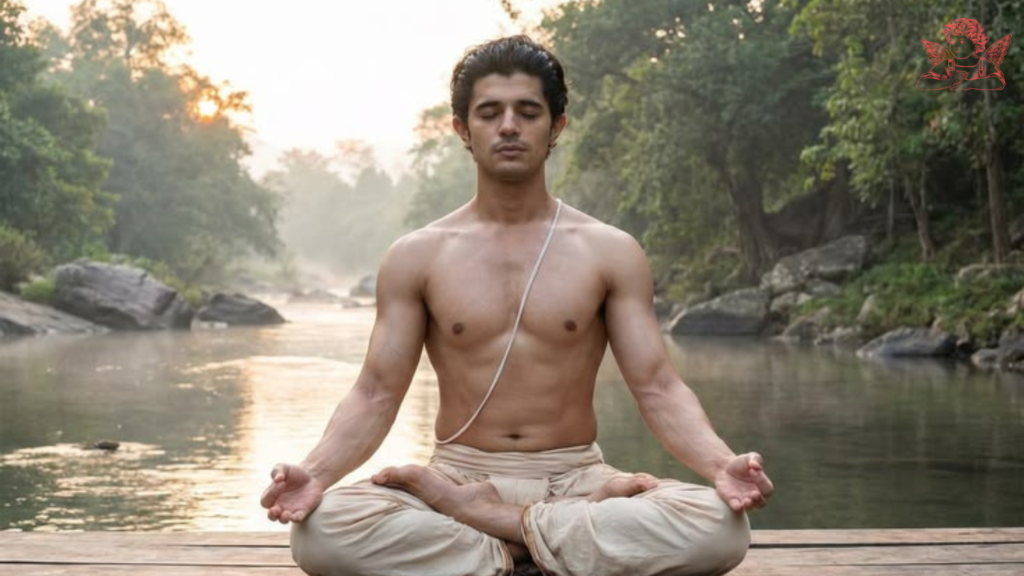
Breathwork for Healing Trauma, Anxiety & Stuck Emotions
Breathwork is a gentle yet deeply powerful practice that helps the body and mind release emotional pain stored beneath the surface. Trauma, anxiety, and stuck emotions often live in the nervous system, showing up as tightness, restlessness, shallow breathing, or emotional numbness. Through conscious breathing, we create a sense of safety within the body, allowing suppressed feelings to rise and release naturally. Breath becomes an anchor, guiding awareness away from overwhelming thoughts and back into the present moment.
Unlike forced healing methods, breathwork for trauma healing meets you where you are. Slow, intentional breathing sends calming signals to the brain, reducing stress hormones and helping regulate emotions. Over time, this practice builds resilience, making it easier to face difficult memories without becoming overwhelmed. Many people experience emotional clarity, deep relaxation, and a renewed sense of inner balance after regular breathwork sessions. It is not about reliving trauma, but about gently creating space for healing and self-compassion. With consistent practice, breathwork can reconnect you with your body, restore emotional flow, and support lasting inner peace.
Understanding Emotional Storage in the Body
Emotions are not just experiences of the mind; they are deeply felt within the body. When emotions are fully processed and expressed, they move through us naturally. However, when feelings such as fear, grief, anger, or shame are suppressed or unresolved, the body often stores them as physical tension, discomfort, or energetic blocks. This is known as emotional storage, a protective response that allows us to cope during overwhelming situations, especially trauma or prolonged stress.
From a survival perspective, the body is designed to respond quickly to danger. When a threatening or emotionally intense event occurs, the nervous system activates the fight, flight, or freeze response. If the situation resolves and the body feels safe again, this response settles. But when safety is not restored or emotions are not expressed, the body may remain in a heightened or shut-down state. Over time, this can lead to chronic tension, shallow breathing, fatigue, digestive issues, or unexplained aches, even when there is no visible physical cause.
Different emotions tend to settle in different areas of the body. Anxiety often shows up as tightness in the chest or stomach, while grief may feel heavy in the heart or throat. Anger is commonly stored in the jaw, shoulders, or fists, and fear may manifest as tight hips or a tense lower back. These patterns are not random. They reflect how the body prepares itself to protect, brace, or withdraw during emotional stress. For example, clenching the jaw may suppress words left unspoken, while tense shoulders may reflect carrying emotional burdens for too long.
Childhood experiences play a major role in emotional storage. When emotions were not acknowledged or allowed during early years, the body learned to hold them in. A child who was told to “be strong” or “not cry” may grow into an adult who unconsciously tightens their chest when sadness arises. Similarly, repeated exposure to stress, emotional neglect, or unpredictable environments can teach the nervous system to stay on guard, embedding emotional memory into muscles and tissues.
The body also remembers trauma even when the mind tries to forget. This is why certain smells, sounds, or situations can trigger strong emotional or physical reactions without a clear logical reason. These responses are stored not as stories, but as sensations. A racing heart, a knot in the stomach, or sudden numbness may be the body’s way of recalling a past experience and preparing for danger again. This explains why talk-based healing alone does not always bring relief, as the body may still be holding the emotional charge.
Over time, stored emotions can influence posture, movement, and breathing patterns. Shallow breathing often accompanies anxiety and fear, limiting oxygen flow and reinforcing a state of tension. Slumped posture may reflect emotional withdrawal or low self-worth, while rigid movement can indicate unresolved anger or control. These physical habits become normal, making it easy to overlook their emotional origins.
Understanding emotional storage is the first step toward healing. When we begin to listen to bodily sensations instead of ignoring them, we create space for awareness and release. Practices such as breathwork, gentle movement, body scanning, and mindful attention help the nervous system feel safe enough to let go. Healing does not require reliving painful memories; it involves allowing the body to complete responses that were once interrupted.
By honoring the body as a keeper of emotional truth, we shift from fighting symptoms to understanding their message. Emotional storage is not a flaw but a survival strategy. With patience, compassion, and conscious practices, the body can gradually release what it no longer needs to hold, restoring balance, ease, and emotional freedom.

How Breathwork Supports Nervous System Healing
Breathwork anxiety relief plays a vital role in healing the nervous system because breath is one of the few bodily functions that can be both automatic and consciously controlled. This unique connection allows breathing patterns to directly influence how safe or threatened the body feels. When someone experiences trauma, chronic stress, or prolonged anxiety, the nervous system often becomes stuck in survival mode. The body remains alert, tense, or emotionally numb even when there is no immediate danger. Breathwork gently guides the nervous system out of this state and back toward balance.
The nervous system has two main responses that shape our emotional and physical state. One is the sympathetic response, which prepares the body for action and survival. The other is the parasympathetic response, which supports rest, digestion, and healing. Trauma and anxiety tend to keep the body leaning toward the survival response. Shallow, rapid breathing is a common sign of this imbalance. Breathwork slows and deepens the breath, signaling to the brain that it is safe to relax. This shift helps lower stress hormones and reduces physical tension.
One of the most powerful effects of breathwork is its ability to regulate the vagus nerve, which acts as a communication pathway between the brain and body. When breathing becomes slow and rhythmic, the vagus nerve is stimulated, supporting emotional stability and calming the heart rate. This creates a sense of grounding and inner safety, which is essential for healing stored emotional pain. As safety increases, the nervous system becomes more flexible and responsive rather than reactive.
Breathwork also helps the body process emotions that were once overwhelming. Trauma often interrupts the natural stress response, leaving emotional energy trapped in the system. Conscious breathing creates a controlled environment where sensations can arise and pass without becoming too intense. This allows the body to release tension, shaking, or emotional waves gradually, without forcing or retraumatizing the individual.
Over time, consistent breathwork retrains the nervous system to recognize calm as a natural state rather than a rare experience. The body learns that it no longer needs to stay on high alert. This improves sleep, digestion, emotional regulation, and mental clarity. Anxiety becomes easier to manage, and emotional triggers lose their intensity.
Breathwork supports nervous system regulation healing by restoring trust within the body. It reconnects awareness to physical sensations, helping individuals feel present and in control again. With regular practice, breath becomes a steady anchor, guiding the nervous system toward resilience, balance, and lasting emotional well-being.
Breath Awareness as a Tool for Emotional Safety
Breath awareness is one of the most gentle and effective ways to create emotional safety within the body. Emotional safety is the inner sense that it is okay to feel, to pause, and to exist in the present moment without danger. For individuals dealing with anxiety, trauma, or overwhelming emotions, this sense of safety is often disrupted. The body may stay alert, guarded, or emotionally numb even when the mind knows there is no immediate threat. Breath awareness helps rebuild this lost sense of trust by signaling calm and stability to the nervous system.
When emotions feel unsafe, the body often responds by holding the breath or breathing very shallowly. This unconscious pattern limits oxygen flow and keeps the nervous system in a subtle state of stress. By simply noticing the breath without trying to control it, we begin to interrupt this cycle. Awareness alone creates space. The body starts to relax because it no longer feels ignored or rushed. Breath awareness teaches the nervous system that slowing down does not lead to harm, but rather to relief.
Unlike techniques that push emotional release, breath awareness is about presence, not performance. There is no need to breathe deeply or follow strict patterns. The practice begins with observing how the breath moves in the body. This observation gently brings attention away from racing thoughts and into physical sensation. As attention settles, the mind becomes quieter, and emotions feel more manageable. This sense of grounding forms the foundation of emotional safety.
Emotional safety is especially important when working with past trauma. Trauma release stuck emotions is not stored as a story but as sensation. Certain feelings or memories can trigger physical reactions such as a tight chest, racing heart, or sudden numbness. Breath awareness helps by anchoring attention to something steady and neutral. The breath becomes a reference point, reminding the body that the present moment is safe, even if uncomfortable sensations arise.
With consistent practice, breath awareness strengthens self-regulation. Instead of reacting automatically to stress, the body learns to pause. This pause creates choice. Emotions can be felt without being overwhelming, and thoughts lose their urgency. Over time, this builds emotional resilience and a deeper sense of control over internal experiences.
Another powerful aspect of breath awareness is its ability to reconnect individuals with their bodies. Many people who have experienced emotional pain unconsciously disconnect from bodily sensations as a protective response. Breath awareness offers a gentle way back. Because breathing is constant and non-threatening, it allows reconnection without force. This reconnection is essential for healing, as emotional safety begins with feeling at home in one’s body.
Breath awareness also supports self-compassion. By observing the breath with kindness rather than judgment, individuals learn to treat themselves with patience. There is no right or wrong way to breathe. This mindset slowly transfers to emotional experiences as well. Feelings are no longer labeled as problems to fix, but as sensations to be acknowledged and allowed.
Over time, breath awareness becomes an inner resource that can be accessed anywhere. In moments of stress, emotional discomfort, or anxiety, returning attention to the breath creates immediate grounding. The body learns that safety is not dependent on external conditions, but can be cultivated from within.
Pointers for Practicing Breath Awareness Safely
- Begin by noticing where the breath is most easily felt, such as the nose, chest, or abdomen
- Allow the breath to be natural without trying to change its rhythm
- Gently bring attention back to the breath when the mind wanders
- Practice for short periods, especially if emotions feel intense
- Keep the focus on sensation rather than thoughts or memories
- End the practice by noticing any sense of calm or grounding in the body
Breath awareness is a quiet yet profound tool for emotional safety. It teaches the body that it is safe to slow down, feel, and remain present. Through regular practice, breath becomes a trusted companion, supporting emotional balance, inner stability, and a renewed sense of peace.

Releasing Anxiety Through Slow Breathing
Anxiety is not just a mental experience; it is a full-body response driven by the nervous system. When anxiety arises, the body prepares for danger by speeding up the heart rate, tightening muscles, and shortening the breath. This response can become habitual, especially during long periods of stress or emotional overwhelm. Slow breathing works directly with this physiological pattern, gently guiding the body out of survival mode and into a state of calm and balance.
Slow breathing sends a powerful message of safety to the brain. When the breath becomes deep, steady, and unhurried, the nervous system receives a signal that there is no immediate threat. This naturally reduces the release of stress hormones such as cortisol and adrenaline. As these chemicals decrease, the body begins to relax. Muscles soften, the heartbeat steadies, and the mind becomes clearer. This is why even a few minutes of slow breathing can noticeably reduce anxious feelings.
One of the key reasons slow breathing is so effective is its influence on the parasympathetic nervous system. This system is responsible for rest, digestion, and emotional regulation. Anxiety often suppresses this calming response. By extending the length of each inhale and exhale, slow breathing activates the parasympathetic state, allowing the body to recover from constant alertness. The longer exhale is particularly calming, as it helps release built-up tension and signals completion to the nervous system.
Slow breathing also brings awareness back into the body. Anxiety tends to pull attention into the future, creating worry and mental loops. Focusing on the rhythm of the breath anchors awareness in the present moment. This grounding effect interrupts anxious thought patterns and creates a sense of stability. Instead of trying to control or eliminate anxiety, slow breathing teaches the body how to settle naturally.
Over time, anxiety can become stored in the body as tightness in the chest, shoulders, or stomach. Slow breathing gently loosens these areas by increasing oxygen flow and encouraging relaxation. As the breath moves deeper into the abdomen, the diaphragm releases, allowing emotional tension to surface and dissolve. This physical release often brings emotional relief, making anxiety feel less overwhelming.
Slow breathing also helps regulate emotional responses. When emotions rise quickly, the breath often becomes shallow or held. By consciously slowing the breath, we slow the emotional reaction as well. This creates a pause between sensation and response, allowing space for awareness rather than panic. With consistent practice, the body learns to respond to stress with calm rather than fear.
Importantly, slow breathing does not require perfect technique. The healing effect comes from consistency and gentleness, not control. Even irregular or imperfect breaths can support relaxation when approached with patience. Over time, the nervous system begins to associate slow breathing with safety, making it easier to calm anxiety before it escalates.
Benefits of Slow Breathing for Anxiety Relief
- Reduces heart rate and muscle tension
- Lowers stress hormone levels
- Calms racing thoughts and mental loops
- Improves oxygen flow throughout the body
- Supports emotional regulation and clarity
- Encourages a sense of grounding and presence
Simple Tips for Practicing Slow Breathing
- Breathe in through the nose and out through the mouth
- Allow the exhale to be slightly longer than the inhale
- Place a hand on the abdomen to feel the breath move
- Practice in a comfortable position without forcing depth
- Use slow breathing during stressful moments or transitions
Releasing anxiety through slow breathing is a gradual and compassionate process. Rather than fighting anxious feelings, this practice teaches the body how to return to balance. With regular use, slow breathing becomes a natural response to stress, offering steady support, emotional ease, and a deeper sense of inner calm.

Trauma Healing Without Re-Telling the Story
Trauma healing does not always require revisiting painful memories or repeatedly telling the story of what happened. For many people, re-telling traumatic experiences can feel overwhelming, exhausting, or even retraumatizing. While talking about trauma can be helpful in some cases, healing can also occur without words. The body holds much of the impact of trauma, and working directly with physical sensations, awareness, and regulation often allows healing to unfold in a safer and more gentle way.
Trauma is stored in the nervous system rather than as a clear narrative. During overwhelming experiences, the brain prioritizes survival over memory processing. As a result, trauma is often remembered as sensations, emotions, or bodily reactions rather than detailed stories. A racing heart, tight chest, numbness, or sudden anxiety may arise without conscious recollection of the event. This is why talking alone does not always resolve trauma responses. The body may still be reacting as if the danger is present.
Healing without re-telling the story focuses on restoring safety in the body. When the nervous system feels safe, it naturally begins to release stored tension and emotional energy. This approach respects the body’s pacing and avoids forcing memories to surface before there is enough internal stability. Rather than asking what happened, the focus shifts to what is happening now within the body. This present-moment awareness allows healing to occur without reliving past pain.
Somatic practices play a key role in this process. Gentle techniques such as breath awareness, slow breathing, body scanning, and mindful movement help regulate the nervous system. These practices support the completion of stress responses that were interrupted during trauma. When the body is allowed to tremble, sigh, soften, or rest, it releases survival energy in a natural and non-verbal way. This can lead to profound shifts without needing to describe the trauma in detail.
Another important aspect of healing without re-telling is learning to observe sensations without judgment. Trauma often creates fear of internal experiences. Certain feelings or bodily sensations may be avoided because they feel unsafe or unfamiliar. By slowly building tolerance for sensation through grounding practices, the body learns that these experiences can be felt without danger. This increases emotional resilience and reduces reactivity over time.
This approach also helps individuals regain a sense of control. Trauma often involves a loss of agency, where events felt unpredictable or uncontrollable. Healing methods that do not require verbal disclosure allow individuals to stay connected to their own boundaries. They choose how deeply to engage, when to pause, and what feels supportive. This autonomy itself becomes a powerful part of the healing process.
Healing without re-telling the story does not mean suppressing emotions or avoiding the past. Instead, it honors the body’s wisdom and timing. When the nervous system feels regulated and supported, memories may naturally integrate or lose their emotional charge. The story no longer holds the same power because the body is no longer living in survival mode.
Over time, this method leads to greater emotional stability, improved self-trust, and a renewed sense of safety in everyday life. Triggers become less intense, the body feels more grounded, and emotional responses feel manageable. Healing becomes less about revisiting pain and more about building capacity for calm, presence, and connection.
Trauma healing is not one-size-fits-all. For many, healing without re-telling the story offers a compassionate alternative that prioritizes safety, gentleness, and embodied awareness. By focusing on the body rather than the narrative, individuals can move forward without reopening wounds, allowing healing to unfold in a way that feels supportive and sustainable.
The Connection Between Breath and Emotional Release
The breath and emotions are deeply connected, working together in ways that are often overlooked. Every emotional experience is accompanied by a change in breathing. When we feel calm, the breath is slow and steady. During fear or anxiety, it becomes shallow and rapid. In moments of grief, the breath may feel heavy or restricted. These patterns are not accidental. They reflect how the nervous system responds to emotional states and how the body attempts to protect itself. Understanding this connection opens a gentle pathway for emotional release and healing.
Emotions are experienced through the body before they are understood by the mind. When an emotion arises, the body reacts instantly by adjusting muscle tension, heart rate, and breath. If the emotion is fully felt and expressed, the breath naturally returns to its balanced rhythm. However, when emotions are suppressed, ignored, or judged, the breath often becomes restricted. Over time, these restricted breathing patterns can trap emotional energy in the body, leading to chronic tension and emotional stagnation.
Breath acts as a bridge between conscious awareness and the subconscious nervous system. Because breathing can be both automatic and intentional, it allows us to influence emotional states without forcing change. By bringing awareness to the breath, we begin to notice where emotions are held. A tight chest may reflect unexpressed sadness, while a constricted throat may indicate words left unsaid. As breath flows into these areas, it creates space for sensation and emotion to move.
Emotional release through breath does not mean pushing feelings out. It is about allowing emotions to surface and pass naturally. Slow, conscious breathing signals safety to the nervous system, reducing the fear associated with strong emotions. When the body feels safe, it no longer needs to hold emotions in. This can lead to spontaneous sighs, tears, yawns, or subtle movements, all of which are signs of release rather than distress.
Breath also helps regulate emotional intensity. Many people fear emotions because they feel overwhelming or uncontrollable. Conscious breathing creates a steady rhythm that anchors awareness. This rhythm helps emotions move through the body without becoming too intense. The breath becomes a container, holding the emotional experience with gentleness and stability.
Over time, habitual emotional patterns shape habitual breathing patterns. Long-term stress or unresolved emotional pain often leads to shallow breathing, chest tightness, or breath holding. These patterns reinforce emotional imbalance by keeping the nervous system in a state of alert. Restoring natural breathing patterns helps reset this cycle. As the breath deepens and slows, emotional responses soften, and the body begins to trust the present moment again.
Breath-based emotional release also encourages self-compassion. Instead of analyzing or judging emotions, attention is placed on sensation and rhythm. This shifts the relationship with emotions from resistance to acceptance. Feelings are no longer seen as problems to fix, but as experiences to be felt and released.
Ways Breath Supports Emotional Release
- Creates a sense of safety that allows emotions to surface
- Helps identify where emotions are stored in the body
- Releases tension through natural physical responses such as sighing or yawning
- Regulates emotional intensity and prevents overwhelm
- Supports nervous system balance and relaxation
Signs of Emotional Release During Breathwork
- Spontaneous deep breaths or sighs
- Gentle shaking or soft movements in the body
- Emotional waves such as tears or laughter
- A feeling of lightness or openness afterward
- Increased clarity and calm
The connection between breath and emotional release is subtle yet powerful. By working with the breath, we allow emotions to move without force or fear. Over time, this practice restores emotional flow, helping the body let go of what it has been holding. Breath becomes a trusted ally, guiding emotional healing with patience, safety, and compassion.

Calming Overactive Thoughts with Conscious Breathing
Overactive thoughts can feel like a storm in the mind – relentless, chaotic, and exhausting. Anxiety, stress, and unresolved emotions often fuel this mental chatter, keeping the nervous system in a heightened state of alert. Conscious breathing offers a simple yet powerful way to calm these racing thoughts by reconnecting the mind with the body. By focusing attention on the breath, we shift from the analytical, future-oriented mind to the present-moment awareness, creating space for clarity and calm.
When the mind is overwhelmed, breathing often becomes shallow, quick, or irregular. This reinforces the body’s stress response, sending signals that danger is near. Conscious breathing interrupts this cycle. Slow, steady, and intentional breaths signal safety to the nervous system, reducing stress hormones and allowing muscles, heart rate, and mental activity to settle. By regulating the breath, the body tells the mind that it can relax, which in turn slows mental chatter.
Conscious breathing also provides an anchor for awareness. Instead of trying to stop thoughts – which often backfires – attention is gently placed on the rhythm of inhalation and exhalation. This subtle shift allows thoughts to exist without overwhelming the mind. Just as waves move in the ocean without sinking the shore, thoughts can arise and pass without dragging the mind into chaos.
The practice can be tailored to individual needs: slowing the exhale slightly longer than the inhale encourages a deeper sense of calm, while counting breaths can provide structure and focus. Over time, the mind begins to associate conscious breathing with emotional regulation and mental clarity. This creates a powerful feedback loop: calmer body, calmer mind, fewer racing thoughts.
Conscious breathing is particularly effective because it combines physiological regulation with mindfulness. It reduces sympathetic nervous system activation while strengthening parasympathetic responses, promoting a sense of balance, groundedness, and inner safety. It also improves oxygen flow to the brain, enhancing focus, decision-making, and emotional stability.
Tips for Using Conscious Breathing to Calm Overactive Thoughts
- Find a quiet space and sit or lie comfortably
- Place one hand on the chest and one on the abdomen to notice breath movement
- Breathe naturally at first, then gradually slow and deepen the inhale and exhale
- Focus attention on the sensation of air entering and leaving the body
- Count each inhale and exhale if the mind wanders
- Allow thoughts to come and go without judgment, returning gently to the breath
- Practice for several minutes daily to train the nervous system
By integrating conscious breathing into daily life, overactive thoughts lose their intensity. The mind learns to rest in the present, the body relaxes, and the nervous system regains equilibrium. Over time, conscious breathing becomes a reliable tool for mental clarity, emotional balance, and lasting calm.
Breathwork for Letting Go of Suppressed Emotions
Suppressed emotions are feelings that the mind has pushed aside or the body has stored because they felt too intense, unsafe, or unacceptable at the time they arose. Over weeks, months, or even years, these emotions can manifest as tension, irritability, anxiety, or unexplained physical discomfort. Breathwork offers a powerful, non-invasive way to release these held emotions, allowing them to move through the body safely and naturally without forcing confrontation or reliving trauma.
When emotions are suppressed, the body often holds subtle tension in areas like the chest, jaw, shoulders, or stomach. Breathing consciously creates space in the body for these sensations to emerge. Deep, rhythmic breathing encourages oxygen to reach areas of tightness, softening muscles and inviting release. As the body relaxes, emotions that were once blocked can flow, often appearing as tears, sighs, trembling, or a sense of lightness. This process allows emotional energy to be processed without verbal expression or external validation, making it especially useful for those who find it difficult to articulate their feelings.
One of the most important aspects of breathwork for emotional release is the connection to the present moment. Anxiety about past events or worry about the future often keeps suppressed emotions trapped. By focusing on the rhythm and depth of the breath, attention returns to the “here and now.” This grounding provides the nervous system with a sense of safety, which is essential for letting go of emotions that were previously too overwhelming to feel.
Breathwork also works in harmony with the body’s natural stress response. Many suppressed emotions are linked to experiences where fight, flight, or freeze responses were interrupted. Breathwork allows the nervous system to complete these responses safely. For example, a slow, controlled exhale can simulate a sigh of relief, signaling to the body that tension can be released. Over time, this process retrains the nervous system to respond to stress with calmness rather than suppression.
It is crucial to approach breathwork gently. Pushing too hard or forcing emotional release can retraumatize the nervous system rather than heal it. The key is mindful observation of the breath and body. Allow emotions to rise and move naturally, supporting them with steady, relaxed breathing. Even small shifts – such as softening the shoulders, relaxing the jaw, or deepening the belly breath – can initiate profound release over time.
Breathwork also strengthens self-regulation. When suppressed emotions arise, it is common to feel overwhelmed or disconnected. Conscious breathing offers a reliable tool to maintain stability. By observing and guiding the breath, individuals can allow feelings to surface without losing control. This builds confidence in the body’s ability to handle emotions safely.
Practical Breathwork Techniques for Releasing Suppressed Emotions
- Deep Belly Breathing: Place one hand on the abdomen. Inhale deeply, allowing the belly to expand, then exhale fully, feeling the release of tension. Repeat for several minutes to create space for emotional energy.
- Box Breathing: Inhale for four counts, hold for four, exhale for four, hold for four. This structured rhythm calms the nervous system and helps release emotions gradually.
- Extended Exhale Technique: Make the exhale slightly longer than the inhale. This signals the nervous system to relax, inviting emotional release.
- Body Scan with Breath: Bring awareness to each part of the body while breathing deeply. Notice tension or discomfort, and breathe into those areas to encourage emotional release.
- Sounded Breaths: Gentle vocalizations, such as sighing, humming, or soft “ah” sounds on exhale, can help release emotions stored in the throat, chest, or jaw.
Breathwork also encourages emotional awareness and acceptance. Suppressed emotions often carry shame, fear, or avoidance. Focusing on the breath allows emotions to exist without judgment. Over time, this practice fosters a compassionate relationship with one’s feelings, reducing the need to block or deny them.
Another significant benefit of breathwork is its accessibility. It can be done anywhere, without props or special equipment. Whether lying down, sitting, or even standing, conscious breathing serves as an immediate tool for processing emotions in a safe and contained way. It empowers individuals to reclaim emotional balance independently, rather than relying solely on external validation or therapy sessions.
Key Benefits of Breathwork for Suppressed Emotions
- Releases trapped emotional energy safely
- Reduces physical tension and associated discomfort
- Supports nervous system regulation and resilience
- Enhances present-moment awareness and grounding
- Strengthens self-regulation and emotional confidence
- Encourages self-compassion and acceptance
In essence, breathwork provides a bridge between the body and mind, allowing suppressed emotions to move naturally without forcing them. By prioritizing safety, awareness, and gentle rhythm, breathwork supports emotional release, nervous system healing, and long-term emotional balance. Over time, individuals often notice lighter moods, reduced tension, greater emotional clarity, and a renewed sense of inner freedom. It is a practice that honors the body’s wisdom, allowing emotions to flow, heal, and integrate in their own time.
Watch: Related Video
Frequently Asked Questions