
The Modern American Spiritual Awakening
Discover where you stand in the shift from organized religion to personal spirituality

A massive shift is happening in America. Gen Z and Millennials are leaving organized religion in record numbers—not because they’re losing faith, but because they’re finding it. They’re choosing direct connection over doctrine, personal experience over prescribed beliefs, and spiritual truth over religious tradition.
The Truth: “Spiritual but not religious” is now the fastest-growing spiritual identity in America. This isn’t rebellion—it’s evolution.
The American spiritual landscape is undergoing a profound shift. Gen Z and Millennials are exploring meaning, morality, and transcendence in bold new ways that previous generations could hardly imagine. They are not rejecting spirituality itself. Instead, they are reshaping it, redefining it, and reclaiming it on their own terms.
“Across the United States, a quiet spiritual rebellion is rising. It is not loud. It is not hostile. It is simply honest.”
This blog explores the psychological, cultural, and existential forces behind this modern awakening and why traditional religious institutions are losing their grip over young Americans.
The Rise of the “Spiritual but Not Religious” Identity
A rapidly growing portion of young Americans now refer to themselves as “spiritual but not religious.” This identity reflects a desire to remain open to spiritual exploration without being restricted by doctrines or institutional authority.
Young adults are not dismissing spirituality. They are simply seeking a more flexible, experiential path.
Why this identity resonates:
- It preserves a sense of personal freedom.
- It acknowledges curiosity without commitment to an institution.
- It encourages self-led exploration.
- It allows space for multiple beliefs to coexist.
Gen Z and Millennials value authenticity. They want beliefs that feel lived, not inherited. Organized religion often feels too rigid; spirituality feels expansive.
Growing Disillusionment with Traditional Institutions
A significant reason behind the shift is the declining trust in institutions across the board. From politics to education to religion, young people feel that most institutions have failed to evolve with their needs and values.
Key factors driving disillusionment:
- Scandals within religious institutions.
- Perceived hypocrisy between teachings and actions.
- Lack of inclusivity for minorities and LGBTQ+ individuals.
- Outdated rules that do not align with modern life.
The younger generation has grown up in an age of transparency. “If a structure does not adapt, it dissolves in relevance.” Many feel that organized religion has resisted the social growth that society has embraced.
The Influence of the Digital Age
Technology is reshaping spiritual identity. Gen Z and Millennials live in a world filled with information, global perspectives, and instant access to millions of voices. The internet has become a vast spiritual library.
Through YouTube, TikTok, podcasts, and online communities, they explore:
- Buddhist mindfulness
- Stoic philosophy
- Energy healing
- Manifestation and metaphysics
- Meditation practices
- Indigenous spiritual traditions
Spirituality has become hybrid, personalized, and easily accessible.
Digital-era spiritual behaviors include:
- Listening to spiritual influencers instead of pastors.
- Learning meditation from apps rather than monasteries.
- Joining online support groups instead of church communities.
- Consuming self-help content as a form of spiritual guidance.
Technology has democratized wisdom. The spiritual seeker of today navigates endless paths without needing a church to mediate.

Mental Health as a Spiritual Gateway
Younger Americans are experiencing record levels of anxiety, stress, and emotional overwhelm. As a result, many are turning to spiritual practices as therapeutic tools.
“Mindfulness became more than a buzzword. It became a lifeline.”
Meditation, breathwork, and journaling offer emotional grounding in ways that formal religion often does not.
Why spiritual practices help mental health:
- Mindfulness rewires the brain’s stress pathways.
- Meditative stillness improves emotional regulation.
- Gratitude practices cultivate optimism.
- Rituals provide structure and meaning.
- Nature-based spirituality reduces anxiety.
Unlike religious obligations, these practices empower internal growth without demanding external conformity.
The Desire for Personalized Spirituality
One of the strongest motivations behind the shift is the desire for spiritual autonomy. Gen Z and Millennials want to create spiritual identities that align with their lifestyles, values, and experiences.
They want:
- Practices that evolve with them.
- Beliefs they can question.
- Traditions they can adapt.
- Systems they can gently challenge.
Personalized spirituality eliminates the fear of being “wrong.” It places the individual at the center of their own spiritual journey.
Elements of personalized spirituality include:
- Creating private rituals.
- Mixing teachings from different traditions.
- Exploring astrology or tarot intuitively.
- Practicing yoga as a spiritual and physical ritual.
- Using journaling for self-reflection and intention-setting.
The freedom to explore builds resilience, openness, and emotional intelligence.
A Growing Preference for Experiential Spirituality
Organized religion often focuses on scripture, sermons, and ritual traditions. Many young adults prefer experiences that allow them to feel spirituality directly. They gravitate toward practices that activate body, mind, and energy.
Experiential spirituality feels alive.
Popular experiential practices:
- Meditation retreats
- Sound healing sessions
- Conscious dance gatherings
- Breathwork circles
- Plant medicine exploration
- Nature immersion rituals
These experiences foster a sense of connection that is immediate and tangible.
“People crave moments that feel like truth, not traditions that tell them what truth is.”
Reclaiming Spirituality from Fear-Based Narratives
Many Millennials and Gen Z adults were raised in religious environments infused with fear, punishment, and guilt. As adults, they are choosing to let go of narratives that shame or suppress their natural identity.
They are seeking spiritual paths rooted in:
- Compassion
- Emotional freedom
- Creativity
- Human connection
- Conscious living
The goal is no longer obedience to doctrine. It is emotional liberation.
This shift is deeply psychological, representing a healing of inner wounds associated with fear-based teachings.
Inclusivity and Social Justice as Spiritual Values
Today’s younger generations see spirituality as inseparable from social justice. Their morality is intertwined with empathy for marginalized groups and action toward justice.
Organized religion is often viewed as too slow in addressing:
- LGBTQ+ rights
- Gender equality
- Racial justice
- Environmental protection
Spirituality, in contrast, is viewed as fluid and adaptable, allowing them to integrate activism with personal growth.
“Kindness is the new commandment. Equality is the new prayer.”

Community Without Walls: The Rise of Micro-Communities
Though many are leaving religious groups, they are not abandoning the community. They are building it in new, intimate ways.
Small spiritual circles are forming online and offline:
- Meditation groups
- Book clubs focused on spirituality
- Online manifestation communities
- Yoga collectives
- Healing circles
- Creative expression groups
These micro-communities offer:
- Emotional safety
- Mutual growth
- Diversity of voices
- Non-hierarchical relationships
They replace the role of churches with more fluid, organic human connection.
The Growth of Nature-Based Spirituality
Nature has become a quiet sanctuary for many young Americans. With rising ecological awareness and increasing disconnection from natural spaces, nature-based spirituality is being reborn.
People find solace in:
- Forest walks
- Beach meditations
- Stargazing rituals
- Gardening as a spiritual practice
- Eco-spiritual ceremonies
Nature provides a sense of grounding that feels pure, ancient, and universal.
“When the world feels artificial, the soul returns to the soil.”
This deepening ecological connection is forming a new kind of eco-spiritual identity among younger generations.
Cultural Blending and the Expansion of Global Spirituality
American spirituality is no longer shaped solely by Western traditions. The globalized world has made Eastern and Indigenous practices accessible, respected, and deeply valued.
Young adults explore:
- Hindu mantras
- Buddhist mindfulness
- Taoist philosophy
- African ancestral rituals
- Indigenous smudging practices
- Middle Eastern mysticism
This cultural blending does not replace tradition; it enriches it, offering young Americans a multicultural spiritual identity.
The Spiritual Search for Meaning in a Chaotic World
Gen Z and Millennials are living through:
- Economic instability
- Climate anxiety
- Political polarization
- Global crises
- Rapid technological change
In such circumstances, spirituality becomes a grounding anchor. It gives meaning to chaos, purpose to uncertainty, and direction to internal struggles.
Spirituality provides:
- A sense of control in an uncontrollable world.
- Comfort during rapid change.
- A framework to understand suffering.
- Hope when the future feels unpredictable.
Meaning-making is no longer outsourced. It is cultivated internally.
The Emotional Intelligence Revolution
Today’s younger generations are more emotionally aware than any before them. Emotional intelligence has become a core spiritual value.
Spirituality now often includes:
- Inner child healing
- Shadow work
- Self-love practices
- Trauma healing
- Boundary setting
These emotional practices deepen self-understanding. They are inherently spiritual because they transform identity, perception, and awareness.
Emotional clarity is now seen as spiritual clarity.
The Minimalist Approach to Spirituality
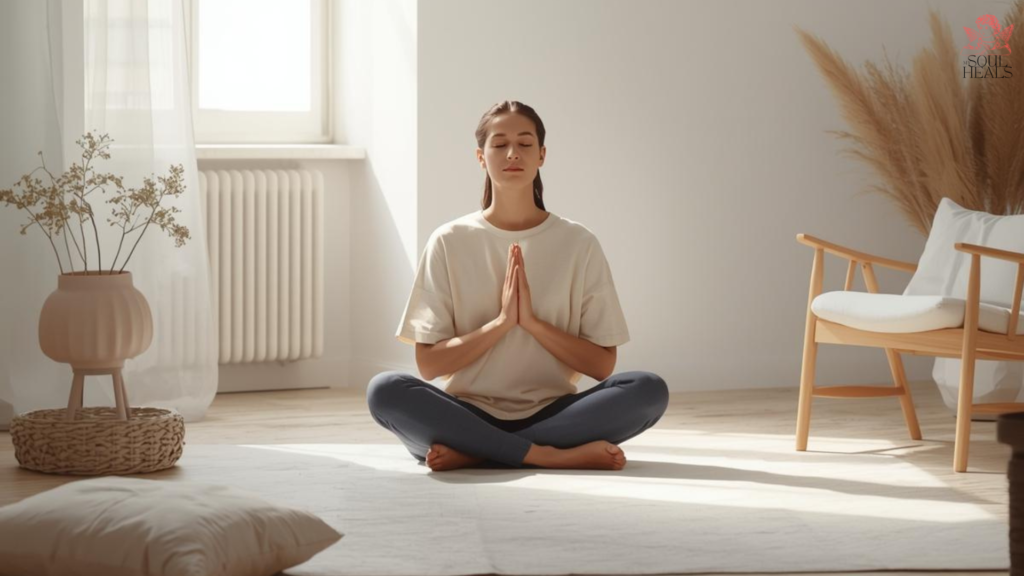
Minimalism is not only a lifestyle trend but a spiritual philosophy. Young adults crave simplicity, clarity, and authenticity.
They seek spirituality that:
- Reduces emotional clutter.
- Removes toxic influences.
- Encourages calm living.
- Focuses on essentials.
- Values presence over possessions.
Minimalist spirituality blends mindfulness, intentionality, and conscious living into a cohesive worldview.
Creative Practices Becoming Spiritual Pathways
Creativity has become a powerful spiritual channel. Many young Americans feel most connected when they express themselves through art, music, movement, or writing.
Creative spirituality includes:
- Painting for emotional release
- Music as meditation
- Poetry as reflection
- Dance as catharsis
- Journaling for clarity
“Every time the soul creates, it remembers itself.”
This merging of creativity with inner exploration is shaping a new era of expressive spirituality.
The Shift from External Authority to Inner Authority
One of the most profound changes happening among Gen Z and Millennials is the shift from relying on external religious authority to trusting their inner wisdom. In the past, religious leaders served as gatekeepers of spiritual knowledge. Today, young Americans are embracing the idea that truth can emerge from personal experience.
They are no longer satisfied with being told what to believe. Instead, they want to feel their beliefs, question them, experiment with them, and adjust them as they grow.
Why inner authority matters to young adults:
- It empowers individual decision-making.
- It removes fear-based obedience to religious figures.
- It encourages self-responsibility.
- It enhances emotional independence.
- It builds a deeply personal spiritual identity.
“Inner authority is the new spiritual compass, and intuition has become its silent voice.”
This evolution represents a fundamental reorientation of where truth is found: not in the walls of a building, but in the landscape of inner awareness.
Rituals Without Religion: The Rise of Secular Sacred Practices
Young Americans are not abandoning rituals. They are reinventing them in simple, creative, and deeply personal ways. These rituals are not tied to any doctrine. Instead, they are tied to emotional expression, mental clarity, and self-connection.
Common secular rituals gaining popularity:
- Morning journaling to set intentions.
- Meditation with candles or crystals.
- Full moon reflection ceremonies.
- Gratitude writing before bed.
- Weekly digital detox sessions.
- Mindful tea or coffee rituals.
- Nature walks as moving meditation.
These rituals bring structure and meaning into daily life. They offer grounding, stability, and comfort without requiring belief in a specific deity.
For many, rituals have become moments to slow down, reconnect, breathe, and “remember who they are beneath the noise of life.”
Why Millennials and Gen Z Value Fluid Beliefs Over Fixed Doctrines
Rigid doctrines often create pressure to conform. However, life experiences are diverse, and young generations want beliefs that evolve with them instead of restricting them.
Fluid spirituality allows them to:
- Question beliefs without guilt.
- Adapt teachings to their lived experiences.
- Evolve their spiritual practices as life changes.
- Blend new philosophies without conflict.
- Reject ideas that no longer resonate.
This flexibility creates psychological safety. It allows individuals to navigate spirituality with curiosity rather than fear. It invites growth instead of punishment.
Traditional religion often presents fixed truths; modern spirituality presents evolving truths. This flexibility reflects the modern desire to learn, adapt, and expand continuously.

Holistic Health Becoming a Spiritual Pathway
Young Americans increasingly view health as multidimensional. Spirituality is no longer separate from physical and emotional well-being. Instead, holistic health has become a major spiritual gateway.
Many embrace practices that integrate mind, body, and spirit, such as:
- Yoga for both physical strength and emotional release.
- Breathwork for stress reduction and trauma healing.
- Herbal remedies and natural wellness.
- Energy works to restore emotional balance.
- Somatic practices for nervous system regulation.
These methods offer benefits that are immediately felt. They build self-awareness and emotional resilience, making spirituality feel practical rather than abstract.
“Health has become a sacred practice. Every breath, every stretch, every mindful moment feels like a prayer to the body.”
This holistic focus is a major divergence from traditional religious frameworks, which often separate physical and spiritual concerns.
A Deepening Interest in Ancestral and Cultural Roots
Another fascinating trend is the reconnection with ancestral wisdom. Young Americans are exploring the spiritual traditions of their cultural backgrounds with fresh interest.
This includes:
- African ancestors’ rituals.
- Native American earth spirituality.
- Celtic traditions.
- Asian ancestral worship.
- Latin American folk practices.
- Middle Eastern mysticism.
This movement is not about adopting religion in the traditional sense. Instead, it is about exploring identity, history, and belonging from a spiritual lens. Many young adults find comfort in knowing that ancient wisdom flows through their lineage.
Ancestral spirituality offers:
- A sense of heritage and identity.
- Healing from generational trauma.
- Emotional grounding.
- Connection to cultural stories and symbols.
This return to roots brings a sense of pride and spiritual empowerment.
Escaping Performance-Based Religion
Many Millennials and Gen Z adults describe feeling exhausted by performance-based religion. They were raised in environments where spirituality was tied to approval, perfection, or constant moral monitoring.
This created:
- Anxiety about being “good enough.”
- Fear of judgment.
- Confusion about self-worth.
- Emotional repression.
- Pressure to appear pure or holy.
As adults, they are choosing to escape these pressures. They want spirituality that feels uplifting, not burdensome. They want to be accepted as they are, not as a flawless image constructed to please religious expectations.
“Spirituality should feel like liberation, not a lifetime report card.”
This shift represents deep emotional healing and self-compassion.
Spirituality as a Form of Personal Empowerment
For younger generations, spirituality is no longer focused on submission or obedience. Instead, it serves as a form of empowerment. It helps them navigate challenges, build resilience, and cultivate a stronger sense of purpose.
Empowerment-focused spiritual values include:
- Self-awareness
- Emotional healing
- Intentional living
- Personal boundaries
- Self-expression
- Inner peace
Many discover that spiritual practices make them feel stronger, more aligned, and more grounded. This empowerment contrasts sharply with traditional religious models that emphasize dependence on authority figures.
Empowered spirituality encourages individuals to take an active role in shaping their lives.
The Shift From Future-Focused Salvation to Present-Focused Awareness
Traditional religion often focuses on salvation in the afterlife. Modern spirituality focuses on the quality of life in the present moment.
Younger generations want spirituality that helps them:
- Cope with stress now.
- Heal emotionally now.
- Understand their relationships now.
- Create meaning now.
- Feel connected now.
Meditation, journaling, and mindfulness accomplish this by bringing awareness into everyday experiences. Healing becomes immediate and tangible.
This shift reflects a cultural transformation away from distant promises and toward present-moment consciousness.
The Influence of Eastern Philosophies
Eastern philosophies such as Buddhism, Taoism, and Hinduism have become incredibly influential among Millennials and Gen Z. They resonate because they emphasize self-awareness, inner peace, and non-dogmatic exploration.
These philosophies offer:
- Meditation as a daily practice.
- Compassion as a core value.
- Detachment from excessive ego.
- Acceptance instead of resistance.
- Harmony with nature.
Their simplicity and practicality make them appealing, especially in a chaotic world.
Young Americans often combine these teachings with modern psychology, creating a blended spiritual framework that feels deeply relevant.
The New Sacred: A Generation Rewriting the Meaning of Spirituality
Young Americans are not rejecting spirituality. They are reinventing it. They are carving out a new sacred space where authenticity, emotional healing, and personal freedom guide the journey.
Their spirituality is:
- Inclusive
- Science-friendly
- Emotionally intelligent
- Experience-driven
- Deeply compassionate
This new spiritual awakening reflects a profound cultural transformation. The future of American spirituality will not be found in rigid walls but in open minds, soft hearts, and evolving paths.

Explore Our Free Divination Tools
Unlock guidance, clarity, and insight with our collection of mystical tools — designed to help you understand love, destiny, and life’s deeper meaning.
✦ Related Articles You May Love
- Heart Chakra Healing For Self Love
- Aromatherapy Blends For Chakra Energy Healing
- The Power Of Silence How To Reclaim Stillness In A Noisy Overstimulated World
- Book List For Divine Feminine Awakening
- Interviews With Past Life Regression Authors
- Recommended Books For Emotional Detox
- Memoirs Of Spiritual Rebirth Journeys
- Books On Healing Mother Wound Trauma
- Poetry Based Meditation Reading
- Chakra Energy Habits For Daily Life
- Inner Alignment With Chakra Affirmations
- Signs Your Sacral Chakra Is Over Nurturing
- Crown Chakra Healing For Spiritual Downloads
- Relationship Wounds And Heart Chakra Blocks
- Understanding Past Life Chakra Imprints
- Chakra Breath Cycles For Inner Peace
- Healing Music Frequencies For Each Chakra
- Foods That Support Each Chakra
- Chakra Journaling For Emotional Clarity
- Spiritual Awakening Memoirs That Inspire Change
- How Soulful Storytelling Supports Emotional Resilience
- Readers Journey Transformation Through Spiritual Fiction
- Mystical Poetry That Evokes Healing And Hope 2
- Mystical Poetry That Evokes Healing And Hope
- Reflective Prompts From Sacred Indigenous Texts
- Soulful Bedtime Stories To Ease Worry 2
- Soulful Bedtime Stories To Ease Worry
- Journaling Prompts For Intuitive Dream Recall
- Interview With Energy Healer On Ancestral Healing
- Book List Gentle Spiritual Reads For Beginners
- Gratitude And Energy Expansion Guided Meditation
- Journey For Forgiveness And Self Compassion
- Nighttime Guided Cleansing For Busy Minds
- Sound Journey With Binaural Beats For Chakra Flow
- Inner Child Healing Guided Journey Script
- Guided Walk Meditation For Mindful Mornings
- Visualization Journey To Meet Your Spirit Animal
- Herbal Tea Rituals For Chakra Balance
- Healing Altar Ideas For Small Apartments
- Tapping Eft On Solar Plexus To Reduce Stress
- Visualisation With Colours For Anxiety Relief
- Simple Self Reiki Sequence After A Busy Day
- Ritual Bath Before Bed For Cleansing
- Yoga For The Sacral Chakra After A Creative Block
- Mystical Poetry That Ignites Spiritual Healing Readings
- True Soul Stories Of Transformation Through Meditation
- Yoga Flows To Balance The Throat And The Third Eye
- Crystal Suggestions For Heart Chakra Compassion
- Sound Healing At Home With Singing Bowls
- Aromatherapy Blends For Sacral Chakra Opening