
Books That Heal: Spiritual Memoirs, Poetry & Fiction Explained
Books do more than tell stories. Some books hold us when we feel scattered. Some speak the words we have been unable to form. Some quietly remind us that we are not broken, only becoming. In a world that moves fast and demands constant strength, many of us carry invisible wounds—grief we haven’t named, dreams we postponed, questions about purpose we never fully answered. This is where healing books becomes sacred ground. Spiritual memoirs, poetry, and fiction do not offer instant solutions; instead, they walk beside us, illuminating inner landscapes with compassion and wisdom. They help us remember who we were before pain reshaped us and who we might still become.
Spiritual healing books create space for reflection, softness, and inner listening. Healing memoirs show us that survival is possible, even after life falls apart. Spiritual poetry speaks directly to the soul, bypassing logic and touching something ancient within us. Spiritual fiction wraps truth inside a story, allowing us to explore transformation through characters who feel like mirrors of our own journey. Together, these forms of writing create quiet but powerful medicine for the heart.
In this guide, we explore six deeply loved books that continue to heal readers across generations. Each one offers a different doorway into self-discovery books, resilience books, and spiritual awakening—inviting you not just to read, but to feel, reflect, and gently return home to yourself.
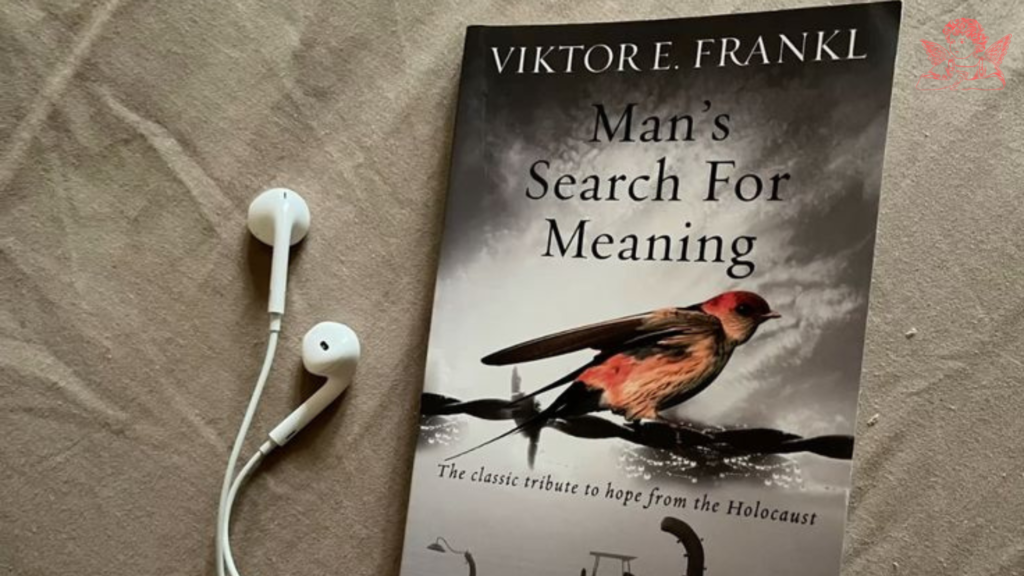
Man’s Search for Meaning – Viktor E. Frankl (Healing Memoir / Existential Spirituality)
Viktor Frankl’s Man’s Search for Meaning is often shelved beside psychology texts and spiritual memoirs alike because it moves fluidly between clinical insight and the deepest human questions: why suffer, and how can suffering be transformed? Frankl’s account of surviving Nazi concentration camps is stark and unembellished, but the book’s heart is not documentary cruelty; it’s the search for meaning that anchors the self even when everything else has been stripped away.
Why it heals: Frankl offers a twofold healing gift. First, he shows that dignity and inner freedom can exist even under unbearable external conditions. Readers discover that while they cannot always control suffering, they can control the attitude they bring to it. This is not platitude; it’s existential practice. The realization—radical and freeing—that meaning can be chosen even in suffering gives many people a way forward when options feel closed. Second, Frankl provides a practical framework: when we locate a purpose beyond immediate pleasure-avoidance, we create psychological resilience. For readers whose wounds are moral, existential, or grief-based, Frankl’s method helps reframe pain as a spur to action, commitment, or love rather than endless self-absorption.
What to look for in the text: The book is split into two parts: camp experiences and a summary of Frankl’s therapeutic method (logotherapy). Don’t rush the camp vignettes; they are short but dense with observation—how different people reacted to the same brutal circumstances reveals the varied human resources available: humor, memory, inner dialogue, and small acts of conscience. When you move to the second half, pay attention to the practical applications: finding meaning through work, through love, and through the stance taken toward suffering. The therapeutic tools are simple—encouraging responsibility, commitment, and future-oriented thinking—but they are presented alongside the vivid moral urgency of Frankl’s history.
How to read it for healing: Use it as reflective medicine. Read a few short passages slowly and journal after each. Ask: Where have I believed my pain is meaningless? Where might there be a small responsibility or next action that would create meaning? Consider the difference between escaping pain and bearing it with a focused aim. For those in therapy, Frankl’s ideas pair powerfully with narrative work: retell a traumatic episode not as a fixed catastrophe but as a chapter where possible meanings (lessons learned, projects begun, commitments renewed) can still emerge. The book is also a radical reminder to seek beauty and connection (memories of music, a loved one’s face) even in bleak moments—practice savoring those internal “sanctuaries.”
Who benefits most: People facing existential despair, grief, moral injury, or chronic illness often find Frankl life-changing. Unlike some self-help books that promise rapid fixes, this one offers a durable reorientation: meaning is the engine of resilience. It’s particularly powerful for readers who have lost previous frameworks—religion, career, relationships—and need a pathway to re-anchor life.
Practical exercises inspired by Frankl:
- “Meaning list”: write three things you could commit to this week that would make your days feel purposeful (small tasks count).
- “Attitude audit”: the next time you face an unavoidable pain, write down three possible stances you could take toward it and the consequences of each.
- “Future letter”: write a letter to your future self describing what you hope you will have made of current suffering—this makes meaning future-oriented and action-focused.
Common misreads and cautions: Don’t interpret Frankl as minimizing suffering or suggesting blame (i.e., “if you don’t find meaning, you’re weak”). His point is the opposite: meaning is often discovered through courageous endurance, not easy platitudes. Also, while Frankl’s clinical model is potent, some wounds need community, gentler therapy, or medical care in addition to existential work. Use the book as spiritual therapy, not medical substitution.
How it sits spiritually: Frankl’s spirituality isn’t doctrinal; it’s practical and open-ended. For readers from religious traditions, his work often dovetails with the idea of vocation or surrendered will. For secular readers, it reads like a manual for moral courage. Either way, the healing radiates from a reclaimed sense of agency: suffering ceases to be only a sinkhole that swallows life; it can become a corridor through which deeper meaning is discovered.
In short: Man’s Search for Meaning heals by changing the terms of the problem. It teaches that when life’s external safety nets give way, inner purpose can still provide a scaffold. For anyone who needs an anchor in the midst of confusion or despair, Frankl’s mixture of eyewitness testimony and therapeutic clarity offers a steady, humane light.
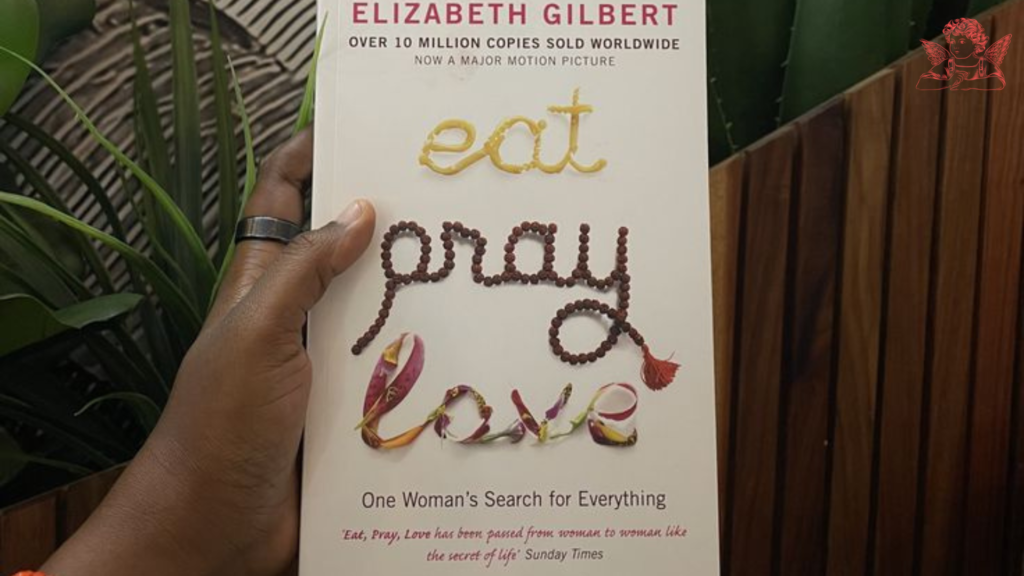
Eat, Pray, Love – Elizabeth Gilbert (Healing Memoir / Journey of Spiritual Reconnection)
Elizabeth Gilbert’s Eat, Pray, Love reached millions because it reads like a permission slip: permission to leave, to grieve, to seek pleasure and solitude, and to try again. The memoir traces a year Gilbert spent traveling through Italy, India, and Indonesia after an emotionally devastating divorce. Critics have argued about its privilege and tone, but the book’s enduring healing power lies in its radical honesty and its staged approach to recovery—food, prayer, and balance.
Why it heals: Gilbert models an entire arc of healing: bodily nourishment, interior work, and relational wisdom. The first section, Italy, reintroduces the body as a site of pleasure and restoration—eating becomes an act of self-kindness after years of emotional austerity. The second section, India, plunges into disciplined spiritual practice—meditation, facing the self, and learning to sit with the ache. The third, Bali, shows the slow art of integrating the self with community and love. Many readers find validation in this order: you don’t have to immediately “fix” the soul through prayer; tending the body and feelings often precedes spiritual depth.
What to look for in the text: Gilbert is candid about shame, longing, and the messy logistics of rebuilding life. Look for the small rituals she adopts: daily walks, the way she allows desire without shame in Italy, the stubbornness of trying meditation despite initial resistance. These micro-practices are replicable. Also notice how she navigates help—she receives both spiritual teachers and human friendships—offering a model of not surviving alone.
How to read it for healing: Read it as both roadmap and permission. If you’re recovering from heartbreak, start with Italy—pay attention to how Gilbert permits small sensory pleasures as healing acts. Try her approach literally: schedule a week of small indulgences that feel restorative, then follow with a meditation retreat or daily contemplative practice (even 20 minutes for several weeks). Use the memoir’s structure as a template: nourish your body, then tend your mind, then test reconnection in relationship or vocation.
Who benefits most: People healing from relationship trauma, burnout, or spiritual numbness often resonate deeply. The memoir appeals particularly to those who fear that spiritual work requires austere denial of the senses. Gilbert’s voice comforts people who think healing must be monumental; she shows how it’s often incremental, strange, and surprising.
Practical exercises inspired by Gilbert:
- “Pleasure inventory”: make a list of simple, sensory pleasures you avoided during a crisis and schedule three a week.
- “Daily practice commitment”: choose a short contemplative routine (breath work, seated meditation, or prayer) and do it for at least 21 days.
- “Reintegration check”: after stabilizing body and mind, make a small, deliberate attempt to reconnect with someone or join a group that aligns with your values.
Common misreads and cautions: Gilbert’s memoir can be misread as an instruction to run away from responsibilities. Her point is not escape but deliberate restructuring. Also, privilege matters—Gilbert could afford time and travel. If travel isn’t possible, mimic the structure locally: find nourishing foods, a retreat center, or a community in your city.
How it sits spiritually: Eat, Pray, Love is eclectic spiritually. It does not proselytize but shows that healing can be found in many forms—pleasure, discipline, and intimacy. For many readers the book’s greatest gift is hope: that loss does not erase the capacity for joy, devotion, or new love.
In short: Gilbert’s memoir heals by normalizing vulnerability and mapping a stepwise recovery that honors body, mind, and heart. It’s especially potent for readers who need permission to pleasure themselves harmlessly and to take spiritual work seriously without self-judgment.
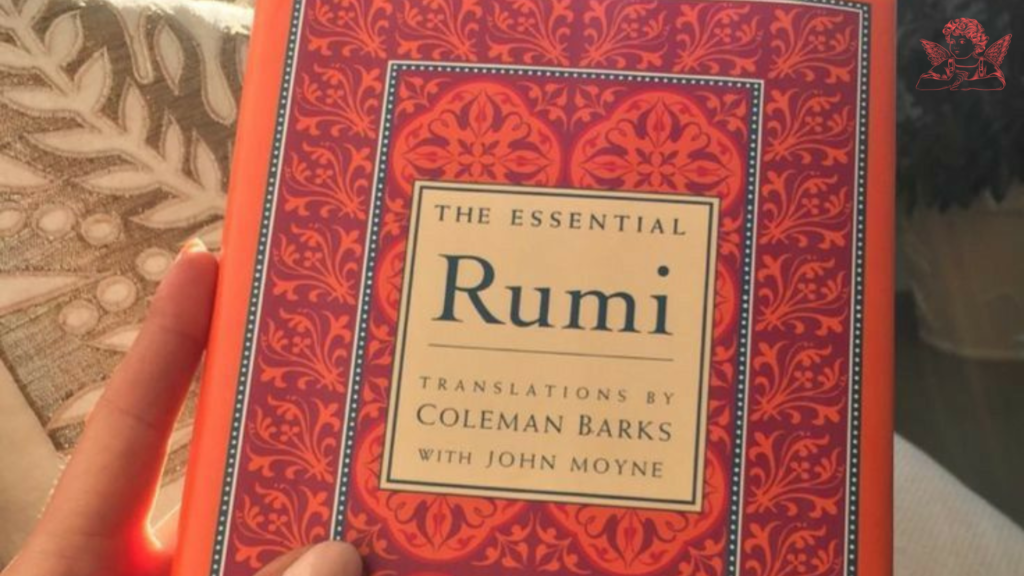
The Essential Rumi – Translations (Coleman Barks et al.) (Spiritual Poetry)
Jalaluddin Rumi’s poetry—filtered in English primarily through imaginative translations by poets such as Coleman Barks—has become synonymous with spiritual longing and ecstatic devotion. The Essential Rumi gathers poems that move between eros and the divine, between the ache of separation and the thrill of reunion. Though centuries and cultures lie between modern readers and Rumi, his work keeps healing across time because it names our deepest hunger for union and shows that longing itself is a spiritual engine.
Why it heals: Rumi’s poetry for healing works on the level of soul-language. Many who come to him are bereaved, yearning, or spiritually restless; Rumi gives these states dignity. Rather than offering didactic solutions, his poems reframe longing as a sacred pathway. This reframing matters: when grief or desire is recast as fuel for deeper seeing, it becomes less pathological and more mysterious—something to listen to. Rumi’s imagery—wine, seabirds, moths and flames—also helps readers translate abstract pain into palpable metaphors, which in turn makes feelings more tolerable.
What to look for in the text: Read with your body, not your head. Rumi is not always linear; he’s associative, erupts, and sometimes repeats images with different inflections. Pay attention to recurring metaphors: the lover/beloved dynamic (often standing in for soul and source), annihilation and rebirth, and the paradox that losing oneself is how one finds oneself. Many of his short ghazals function as prayer or mantra; savor them aloud. The translations matter—Barks emphasizes musicality and immediacy, while more literal translations preserve historical context. Choose what lands—both approaches can heal, in different ways.
How to read it for healing: Use Rumi as companion-poet. When grief hits, read a single poem slowly, perhaps aloud, and notice where your body reacts. Try the “poem as prayer” technique: repeat a short stanza as a mantra during breath-work or while walking. Rumi is especially potent at converting shame into divine humor and at showing that anger can be a doorway to deeper love. For those stuck in moralistic guilt, Rumi’s radical embrace is revolutionary: he tends to meet the sinner and out-love their shame.
Who benefits most: People wrestling with longing, soul-ache, or shame often find Rumi restorative. Artists, caregivers, and people in transition—anyone who needs permission to feel deeply—will encounter in Rumi the courage to feel without being devoured by feeling.
Practical exercises inspired by Rumi:
- “Poem-a-day”: pick one short poem to read aloud each morning; listen for a single line that “lands” and journal about why.
- “Beloved letter”: write to the part of life you miss or hunger for as if it were a person; use Rumi’s language of intimacy.
- “Movement ritual”: play instrumental music and read Rumi, then move freely for five minutes; notice what emotions the body expresses.
Common misreads and cautions: Beware of flattening Rumi into Instagram-friendly quotes that sound pretty but lose depth. His poems are often paradoxical and demand reverence. Also remember cultural dislocation—translations are interpretive; reading multiple translators can deepen appreciation and guard against sentimentalization.
How it sits spiritually: Rumi belongs to a mystical lineage (Sufism) where love is the primary theology. Yet his voice is ecumenical: people of many faiths and none find in him a liberating invitation to love what is. The healing lies not just in comfort but in a reshaping of identity: the self that once felt separate begins to feel porous and relational—which, for many, is profoundly restorative.
In short: The Essential Rumi heals by giving language to longing and by teaching readers to convert ache into devotion. It’s a bedside lamp for nights of yearning, a voice that says: you are not alone in your hunger—and that hunger itself can become a pathway home.
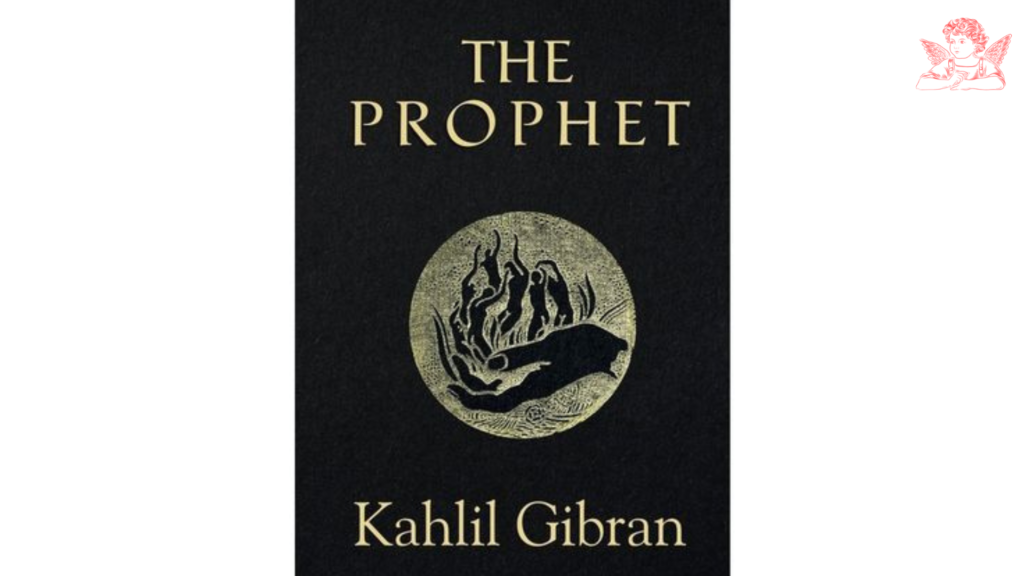
The Prophet – Kahlil Gibran (Spiritual Poetry/Prose)
Kahlil Gibran’s The Prophet reads like a devotional manual and a poet’s sermon rolled into one. Structured as a series of meditations spoken by a prophet on varied themes—love, work, joy and sorrow, death—its concise, aphoristic chapters have been used in weddings, eulogies, and personal notebooks for nearly a century. Its healing power is quiet and steady: Gibran helps readers reframe ordinary life into sacramental terrain.
Why it heals: Gibran’s writing meets life’s ordinary wounds—loss, longing, confusion—with poetic dignity. Where clinical language can feel cold and self-help can feel prescriptive, Gibran’s metaphors lift the ordinary into symbolic light. This lifting heals because it restores meaning: work becomes worship, sorrow becomes a kind of rain cleansing the soil. Readers leave the book with a softened view of their pain and a renewed appreciation for the simplicity of presence.
What to look for in the text: Each chapter stands alone, making The Prophet an excellent companion for daily reading. Look at how Gibran balances paradox—he often presents both sides of a tension (freedom and responsibility; giving and keeping) without resolving them into tidy answers. Notice his liturgical cadence: sentences that would have been sermons in another era now read as personal invocations. There’s wisdom in the restraint—the book is spare but dense.
How to read it for healing: Read a single chapter slowly and then sit in silence for a minute. Let the language seep. Try making a tapestry of your own responses: what word or image surprised you? What part of your life now seems seen because of what you read? For those in mourning, Gibran’s essays on death are an invitation to hold grief and healing without trying to “fix” it. For those seeking vocation, his meditations on work and love can offer reorientation toward generosity and presence.
Who benefits most: People wanting reflective reading in small doses—busy people, caregivers, or anyone who wants depth without length—often find Gibran healing. His book is also useful in rites of passage, where concise, luminous sentences can make meaning in moments of upheaval.
Practical exercises inspired by Gibran:
- “One-chapter ritual”: choose one chapter each week and write a page on how it applies to your life.
- “Ceremony of attention”: after reading, name aloud three ordinary things you will treat sacramentally today (a meal, a conversation, work).
- “Grief journaling”: use the chapter on sorrow as the prompt for a letter to the person you miss.
Common misreads and cautions: Gibran’s aphorisms can be co-opted into platitudes if quoted without context. The emotional density of his lines needs time—don’t skim. Also, some readers might find his mysticism sentimental if read as mere comfort; instead, treat it as disciplined attention to the sacred in the mundane.
How it sits spiritually: The Prophet operates in a universal spiritual grammar. It is not dogmatic but sacramental—offering perspectives that pair beautifully with contemplative practices across traditions. The healing is quietly radical: ordinary life, re-seen as holy, transforms how we meet our daily struggles.
In short: Gibran heals through succinct, poetic re-visioning of everyday life. His work is a pocket sanctum—one you can open in the middle of a hard day and find the world slightly altered toward dignity.
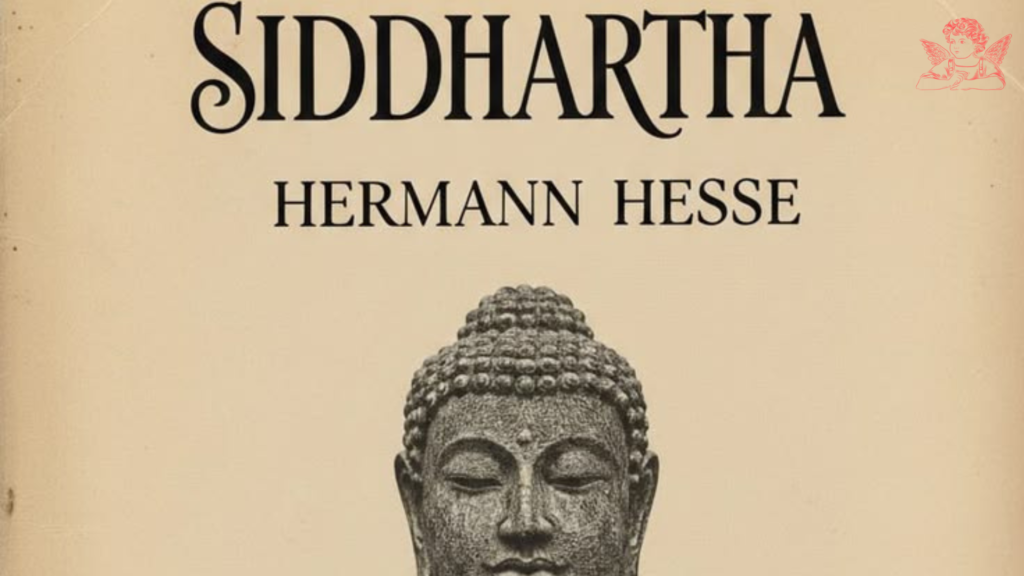
Siddhartha – Hermann Hesse (Spiritual Fiction)
Hermann Hesse’s Siddhartha is a short novel that reads like a parable about spiritual life. It follows a man named Siddhartha—not the Buddha himself, but a seeker in ancient India—through stages of asceticism, sensual indulgence, despair, and finally a quiet, river-centered wisdom. Its healing power rests on narrative form: through story, Hesse models the oscillations of a spiritual journey rather than prescribing one single path.
Why it heals: Healing emerges from permission—permission to rest, to try extremes, and to integrate. The protagonist’s wandering validates the reader’s own zigzagging between faith and doubt, action and contemplation. For readers frightened by linear expectations (“you must do X or Y to be healed”), Siddhartha’s path offers a humane alternative: growth through lived experience, mistakes included. The novel also centers the concept of listening—listening to the self, to nature, to the river—as a practice that repairs fragmentation and restores inner peace books and cohesion.
What to look for in the text: The novel is compact, but every scene is symbolic. Notice the transitions: Siddhartha’s departure from the ascetics is not a moral failure but an honest assessment that truth cannot be coerced. His years in the city teach that pleasure alone cannot satisfy. The river scenes, at the book’s heart, are the healing crucible—water as teacher, time as healer, and the act of hearing as finally integrating disparate lessons. Hesse’s language is lyrical but grounded; read for image and movement rather than doctrine.
How to read it for healing: Read Siddhartha as an invitation to tolerate non-linearity. If you are in a period of relapse, doubt, or creative failure, the book’s honesty about wandering is comforting. Consider pairing the reading with walking by water or a local river, lake, or even a fountain—physical proximity to flowing water deepens the book’s metaphors. Journal about phases of your life and how each has contributed to current wisdom; map your own “river” moments—times that taught patience, listening, or release.
Who benefits most: Those stuck in perfectionism, who feel shame about not “doing spirituality right,” will find permission here. Young adults in transition, midlife seekers, and anyone needing reassurance that meaning often arrives slowly and through imperfect living will be soothed by Siddhartha’s patient arc.
Practical exercises inspired by Siddhartha:
- “River listening”: spend twenty minutes by a flowing water source. Practice listening without trying to interpret; then journal sensations and metaphors that arise.
- “Life-phase mapping”: draw a timeline of your own phases (ascetic, indulgent, despairing, learning). Note what each phase taught you.
- “Sabbath experiments”: model brief, intentional pauses inspired by Siddhartha’s periods of quiet—short sabbaths that avoid productivity pressure.
Common misreads and cautions: Hesse’s novel can be romanticized into “just be natural and things will fix themselves.” The book instead emphasizes disciplined attention—waiting without numbing, listening without rushing. Also, because the book borrows eastern imagery through a Western lens, remain attentive to cultural translation; treat the story as symbolic, not as an authoritative manual on any single tradition.
How it sits spiritually: Siddhartha synthesizes Eastern motifs with a Western psychological sensibility. Its spiritual teaching is experiential: truth is found in lived attention rather than dogma. The healing arrives when the protagonist ceases to chase doctrines and instead learns the arts of waiting, listening, and loving what is.
In short: Siddhartha heals by narrating a humane, non-linear spiritual journey. It reminds readers that wisdom is often woven from mistakes and rest, and that depth frequently grows in the quiet spaces between effort and surrender.
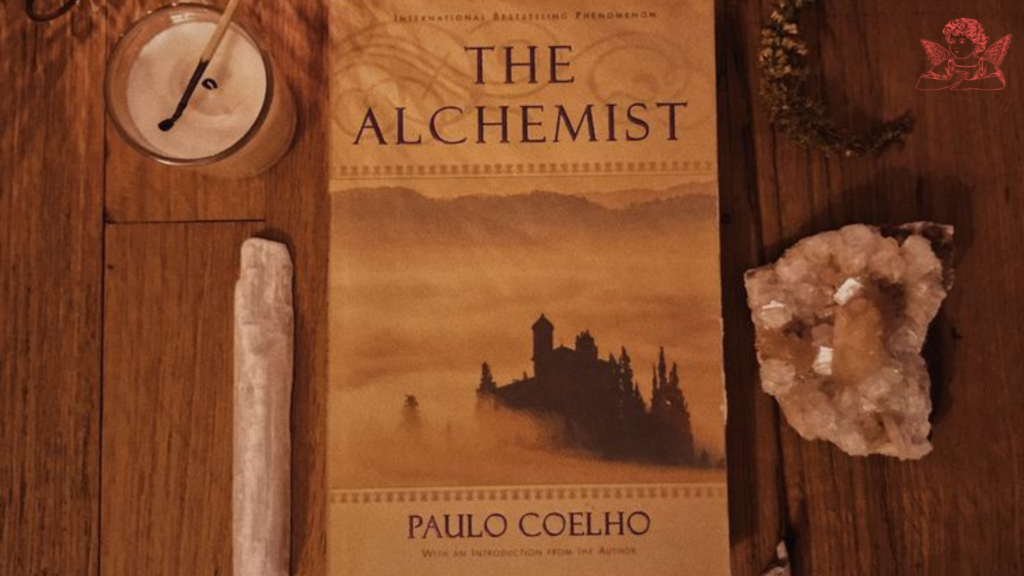
The Alchemist – Paulo Coelho (Spiritual Fiction / Allegory)
Paulo Coelho’s The Alchemist is a modern fable about following one’s “Personal Legend.” Simple, mythic, and saturated with symbolic lessons, the novel follows Santiago, a shepherd boy, as he crosses deserts and learns to read omens on the way toward his treasure. Its global popularity stems from its accessible, almost fairy-tale style and its emphasis on courage, intuition, and the unity of all things.
Why it heals: The Alchemist heals by restoring a sense of possibility and agency. Many readers who feel trapped in routine discover that Coelho’s tale rekindles a dormant courage—the belief that life has a calling and that taking small steps toward it matters. The book’s metaphors (the desert, the alchemist, the language of the world) help reframe obstacles as teachers. For those suffering from inertia, the narrative persuades readers that inner signs—intuitions, “omens”—are valid guides. The novel’s tone is encouraging and gentle, a balm for those weary of cynicism.
What to look for in the text: The book is allegorical—characters and incidents map onto inner states. Pay attention to the repeated themes: the unity of the world, the interplay of love and vocation, and the idea that the journey often contains the treasure we seek. Coelho’s prose is spare; the power comes from rhythm and repeated maxims. Notice how setbacks—kidnapping, temptation—are reframed as lessons rather than failures.
How to read it for healing: Read it slowly and treat it as a parable to be revisited. When you encounter a passage that feels alive, stop and reflect: what in my life is this image addressing? Practice small acts of risk inspired by Santiago—safe, incremental experiments that move you toward a long-held desire. Use the book as a prompt to notice daily omens—recurring images, words, or encounters that spark curiosity—and learn to track them, not as superstition but as attention-training.
Who benefits most: People longing for meaning in ordinary life—those stuck in bureaucratic jobs, caretakers who have put their own dreams aside, or anyone longing for permission to begin—often gain renewed impetus from Coelho. The book is especially useful for people whose primary wound is discouragement.
Practical exercises inspired by The Alchemist:
- “Omen journal”: for two weeks, note recurring signs, dreams, or chance encounters; reflect on possible invitations these might be offering.
- “Courage list”: identify one small risk you can take this month that nudges you toward a long-held desire—then commit to the first step.
- “Treasure mapping”: create a collage or list of what “treasure” means to you—material, creative, relational—and then choose one concrete action to move toward it.
Common misreads and cautions: The Alchemist can be reduced to “manifesting” if read superficially. Coelho’s deeper point is not magical thinking but attentive living—aligning desire with action and interpreting setbacks as meaningful feedback. Also, some readers find the book overly simplistic; if you’ve gone through more complex spiritual psychologies, treat Coelho as a primer rather than a final authority.
How it sits spiritually: The novel draws from multiple spiritual streams—Sufi-like sayings, Christian motifs, and universalist spirituality. Its healing comes from a refreshingly optimistic metaphysic: that the world communicates meaning, and that courage plus attention can transform life’s raw materials into gold.
In short: The Alchemist heals by rekindling hope and training the reader to pay attention to life’s subtle invitations. It’s a fable for those who need a push to begin again.

How to Read Spiritual Healing Books for Deeper Transformation
Reading spiritual healing books is not the same as consuming ordinary entertainment. These books invite a slower, more intentional relationship. They are meant to be felt, absorbed, and lived with rather than rushed through. When approached with presence, transformative literature becomes companions on the inner path, offering guidance not only through their words but through the silence they create inside us.
Begin by setting a gentle intention before you read. You might silently say, “May this book show me what I am ready to see,” or “May I receive what supports my healing.” This simple act shifts reading from a mental activity into a sacred practice. It reminds you that healing is not about forcing change but allowing awareness to unfold naturally.
Create a calm reading environment whenever possible. Soft lighting, a comfortable seat, and a quiet space help your nervous system relax, making it easier to receive the deeper layers of meaning. Even ten mindful minutes of reading can be more transformative than an hour of distracted scrolling through pages.
Move slowly and trust what resonates. You do not need to understand every sentence intellectually. Sometimes a single line will feel as if it rises off the page and speaks directly to your heart. When this happens, pause. Read the line again. Let it echo inside you. These moments often mark the beginning of inner shifts.
Journaling alongside your reading can deepen integration. After finishing a section, write about what stirred emotion, what felt comforting, and what challenged you. Ask yourself gentle questions: Why did this part stand out? What might it be reflecting about my current life? There are no right answers. The purpose is simply to listen.
It is also helpful to read emotional healing books in cycles. You may return to the same book months or years later and discover entirely new meanings. This does not mean the book changed; it means you did. Each revisit becomes a quiet measurement of growth.
Allow the books to influence small, compassionate actions. If a memoir inspires forgiveness, begin with forgiving yourself for one small mistake. If a poem invites presence, try pausing for three conscious breaths during stressful moments. Mindfulness literature unfolds through tiny, consistent choices rather than dramatic transformations.
Most importantly, be kind to yourself as you read. Some passages may stir grief or bring buried emotions to the surface. This is not failure. It is a movement. Healing often feels tender before it feels peaceful.
When spiritual growth books are approached as sacred companions instead of quick solutions, they become mirrors, teachers, and quiet friends. Over time, they help you remember that you are not broken. You are unfolding. You are learning. You are becoming whole, one page at a time.
Healing through reading is a quiet, intimate journey. Each page becomes a soft doorway into awareness, each sentence a reminder that growth is happening even when it feels invisible. Trust the process. Trust the pauses. Trust the small, sacred shifts unfolding within you.
Conclusion – Bringing the Books Home
These six books – two memoirs, two books of spiritual poetry/prose, and two works of fiction—offer different modes of healing: the practical, the sensual, the imaginal, and the narrative. Together they form a toolkit:
Viktor Frankl gives you an existential scaffold for meaning when everything external collapses.
Elizabeth Gilbert models a staged recovery: body, spirit, and relational integration.
Rumi gives language to longing and practices for turning ache into devotion.
Kahlil Gibran provides concise meditations that sanctify ordinary life.
Hermann Hesse’s Siddhartha reassures the seeker that the path is naturally non-linear.
Paulo Coelho’s The Alchemist rehearses courage and attention as engines of transformation.
How to make this list practical:
- Choose one book that reflects your current pain. If grief or meaninglessness dominates, read Frankl. If romantic or identity loss hurts, try Gilbert. If longing or shame is primary, open Rumi or Gibran. If you need to be invited back into life step-by-step, pick Siddhartha or The Alchemist.
- Create small, book-specific rituals: read a chapter in the morning, reflect in a journal, perform a sensual restoration (a meal, a walk), or create a listening practice by water.
- Allow each book to be a companion, not a prescription. Healing is nonlinear; a book’s value is in reframing, softening, and offering practices that you can return to.
A final note on “healing books”: they don’t promise to remove pain. Instead, they translate suffering into language, companion you through darkness, and sometimes hand you a small set of practices to steady your steps. Read with patience, keep a notebook, and be gentle with how much you ask of yourself between covers—it’s a conversation, not a performance.
Watch: Related Video
Frequently Asked Questions