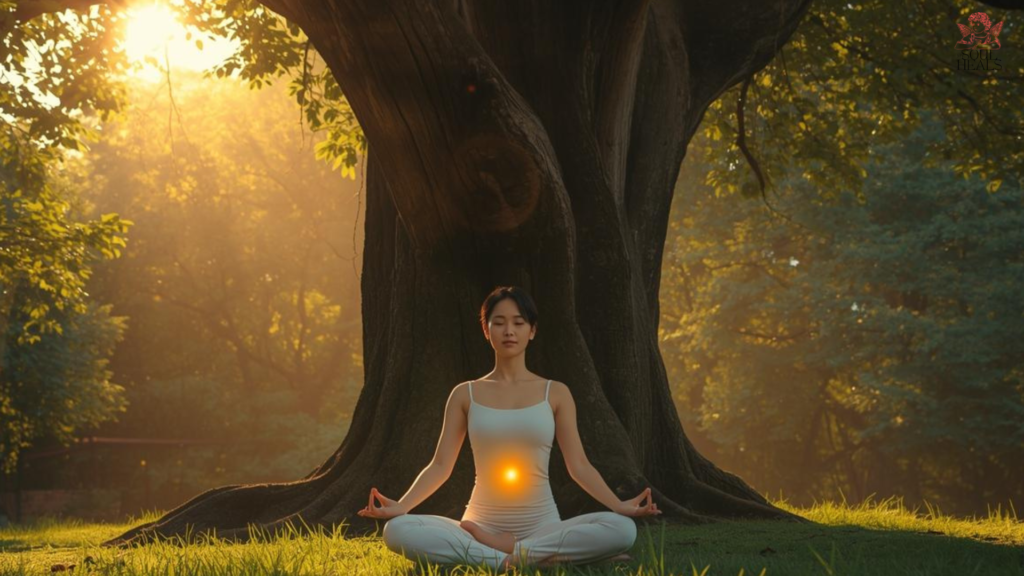
Chakra healing is most effective when it involves the body, not just the mind. Each chakra is deeply connected to specific muscles, organs, and movement patterns. When energy becomes blocked, the body often responds with stiffness, shallow breathing, or fatigue. By using yoga, breathwork, mudras, and intuitive movement, we gently encourage energy to flow again in a natural, grounded way.

Yoga postures help activate and balance chakras by opening areas where emotions and tension are stored. Breathwork brings awareness to subtle energy, calming the nervous system while directing prana to areas that feel heavy or disconnected. Mudras, though simple, create powerful energetic circuits through the hands, influencing emotional and mental states. Free movement, such as stretching or slow, mindful swaying, allows the body to release suppressed energy without force or judgment.
This body-based approach makes somatic chakra healing accessible to everyone, even without long meditation sessions. When the body feels safe and supported, emotional and energetic balance follows naturally. Healing becomes less about “fixing” and more about listening, responding, and allowing the body’s wisdom to guide the process.
How the Body Stores Chakra Energy
The human body is not just a physical structure of bones, muscles, and organs; it is also an energetic system that continuously records experiences, emotions, and stress. Chakra theory explains how this subtle energy is organised and stored throughout the body. Each chakra acts like an energetic memory centre, absorbing life experiences and translating them into physical, emotional, and behavioural patterns. Over time, unprocessed emotions and repeated stress responses become embedded in the body, shaping posture, breathing habits, and even long-term health.
Chakras as Energy Memory Centres
Chakras are traditionally described as spinning wheels of energy located along the spine, each linked to specific physical regions, organs, and psychological themes. When experiences are overwhelming or emotionally charged, the nervous system may not fully process them. Instead, the energy of those experiences becomes stored in the corresponding chakra. For example, persistent fear or insecurity often settles in the root chakra, affecting the legs, lower back, and sense of stability. These stored energies act like subconscious files, influencing how the body reacts to future situations without conscious awareness.
The Role of the Nervous System
Modern research into trauma and somatic psychology supports this idea in a scientific context. The autonomic nervous system plays a key role in how energy is stored. When the body perceives threat, it activates survival responses such as fight, flight, or freeze. If these responses are not completed or released, the nervous system remains partially activated. This ongoing state of tension aligns closely with the concept of blocked or overactive chakras. For instance, an overactive solar plexus chakra often corresponds with chronic stress, tight abdominal muscles, shallow breathing, and digestive issues.
Muscles, Fascia, and Energetic Holding
The body stores chakra energy not only through nerves but also through muscles and connective tissue known as fascia. Fascia forms a web-like network around muscles and organs, responding to emotional states by tightening or loosening. Chronic emotional patterns – such as grief, anger, or shame – can cause fascia to harden, restricting energy flow. The heart chakra area, including the chest and shoulders, is especially prone to this kind of holding. People who have experienced emotional loss or betrayal often develop rounded shoulders or chest tightness, reflecting protective patterns stored in the body.
Breath as an Indicator of Stored Energy
Breathing patterns offer clear insight into where chakra energy is held. Shallow breathing often indicates restriction in the lower chakras, while limited chest expansion suggests heart chakra blockages. Breath naturally moves energy through the body, but when emotions are suppressed, the breath becomes restricted to avoid feeling discomfort. Over time, this creates energetic stagnation. Conscious breathwork helps reveal these hidden patterns by gently bringing awareness to areas where the breath feels blocked or strained.
Emotional Storage in Each Chakra
Each chakra corresponds to specific emotional themes that the body learns to store. The sacral chakra holds emotional experiences related to pleasure, intimacy, and creativity. Unexpressed guilt or suppressed desires may manifest as hip tightness or lower back discomfort. The throat chakra stores experiences related to communication and self-expression. Repeatedly silencing one’s voice can lead to jaw tension, neck stiffness, or chronic throat issues. These physical symptoms are not random; they reflect how the body adapts to emotional environments over time.
Posture and Movement Patterns
Posture is another way the body reflects stored chakra energy. A collapsed posture may indicate heart chakra protection, while rigid posture often signals overcontrol linked to the solar plexus chakra. Movement habits also reveal energetic patterns. Avoidance of certain movements, such as backbends or hip openers, often points to stored emotional energy in corresponding chakras. The body remembers what the mind has learned to ignore.
The Body as a Living Record
Ultimately, the body functions as a living record of energetic experiences. Chakra energy storage is not inherently negative; it is a survival mechanism designed to protect the individual. However, when stored energy is not periodically released or integrated, it can limit emotional expression, physical vitality, and overall wellbeing. Understanding how the body stores chakra energy creates the foundation for healing practices that work with the body rather than against it.
By bringing awareness to physical sensations, breath patterns, and emotional responses, individuals can begin to gently release stored energy. Chakra healing through the body is not about forcing change but about creating safety, awareness, and space for the body to complete what it once had to hold onto for survival.
Yoga Poses That Activate Each Chakra
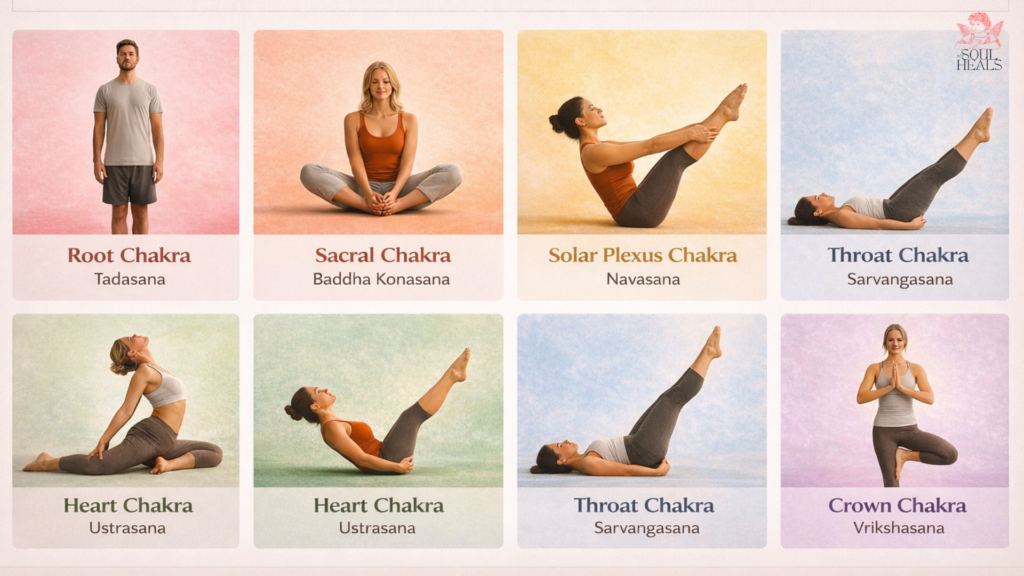
Yoga works directly with the body’s energy system, making it one of the most effective practices for chakra activation. Chakra mudras are associated with specific areas of the body, muscle groups, and movement patterns. When yoga poses are practiced mindfully, they stimulate nerve pathways, improve circulation, release muscular tension, and encourage prana to flow through areas where energy may be blocked or stagnant. Rather than forcing balance, yoga for chakras gently invites the body to open, stabilize, and realign itself from the root chakra up to the crown.
Root Chakra (Muladhara): Stability and Grounding
The root chakra is located at the base of the spine and governs safety, survival, and physical stability. Yoga poses that strengthen the legs and promote grounding are especially effective here. Mountain Pose (Tadasana) teaches the body how to feel steady and supported, while Warrior I and II build strength in the legs and cultivate confidence. Malasana (Yogic Squat) deeply activates the pelvic floor and connects the body to the earth. These poses help release fear-based tension stored in the lower body and establish a sense of security.
Sacral Chakra (Svadhisthana): Flow and Emotional Release
Situated in the lower abdomen and hips, the sacral chakra breathwork relates to creativity, pleasure, and emotional fluidity. Hip-opening poses stimulate this energy centre and encourage emotional release. Poses such as Bound Angle (Baddha Konasana), Pigeon Pose (Eka Pada Rajakapotasana), and Goddess Pose help release stored emotions from the hips and lower back. Gentle, flowing movements between poses are particularly beneficial, as they mirror the natural rhythm of this chakra and allow energy to move without resistance.
Solar Plexus Chakra (Manipura): Power and Confidence
The solar plexus chakra resides in the upper abdomen and is linked to personal power, self-worth, and motivation. Core-strengthening poses activate this chakra by engaging the abdominal muscles and stimulating digestive fire. Boat Pose (Navasana), Plank, and Chair Pose (Utkatasana) build inner strength while challenging the mind to stay present. Twisting poses also support this chakra by aiding digestion and releasing stored stress. When balanced, these poses help transform tension into confidence and clarity.
Heart Chakra (Anahata): Openness and Compassion
The heart chakra, located at the centre of the chest, governs love, compassion, and emotional balance. Backbends and chest-opening poses are key to activating this energy centre. Cobra Pose (Bhujangasana), Camel Pose (Ustrasana), and Bridge Pose open the chest and shoulders, areas that commonly hold grief and emotional protection. These poses encourage vulnerability while strengthening the spine, helping the practitioner experience emotional release alongside physical expansion.
Throat Chakra (Vishuddha): Expression and Truth
The throat chakra is associated with communication, self-expression, and authenticity. Yoga poses that gently compress or open the throat area stimulate this chakra. Fish Pose (Matsyasana), Plow Pose (Halasana), and Shoulder Stand (Sarvangasana) increase blood flow to the neck and throat while releasing tension in the cervical spine. Practising these poses with slow, steady breathing supports clearer expression and reduces the physical effects of suppressed communication.
Third Eye Chakra (Ajna): Awareness and Intuition
Located between the eyebrows, the third eye chakra governs intuition, perception, and mental clarity. Forward folds and balancing poses help calm the mind and bring awareness inward. Child’s Pose (Balasana), Downward-Facing Dog, and Eagle Pose (Garudasana) encourage focus and introspection. These poses reduce mental overstimulation and support a deeper connection to inner guidance.
Crown Chakra (Sahasrara): Connection and Stillness
The crown chakra sits at the top of the head and represents spiritual connection and higher awareness. While it is less physical than other chakras, gentle inversion and seated meditation poses support its activation. Tree Pose (Vrikshasana) cultivates balance and presence, while Lotus or simple seated poses promote stillness and surrender. The focus here is less on movement and more on awareness, breath, and spaciousness.
Integrating Chakra-Focused Yoga
Practising yoga with chakra awareness transforms physical exercise into energetic healing. Holding poses with mindful breathing allows the body to safely release stored tension and restore balance across the chakra system. Over time, consistent practice helps align physical strength with emotional resilience and energetic flow, creating a sense of wholeness that extends far beyond the mat.
Breathwork for Clearing Energetic Blockages
Breath is the bridge between the body, mind, and energy system. In yogic traditions, breath is known as prana – the vital life force that moves through subtle energy channels and nourishes the chakras. When emotional stress, trauma, or chronic tension accumulates, breathing patterns change. These altered patterns restrict the natural flow of prana, leading to energetic blockages that affect physical health, emotional stability, and mental clarity. Breathwork offers a direct, accessible way to clear these blockages by working with the nervous system and the body simultaneously.
How Breath Reflects Energetic Imbalance
Each chakra is associated with a specific region of the body and corresponding breathing pattern. When a chakra is blocked or overactive, the breath often becomes shallow, uneven, or constrained in that area. For example, restricted belly breathing may indicate root or sacral chakra imbalance, while tight chest breathing is commonly linked to heart chakra blockage. Over time, unconscious breath holding becomes a protective response, preventing the body from fully processing emotions. Breathwork gently reverses this pattern by restoring natural respiratory rhythms.
From a physiological perspective, conscious breathing influences the autonomic nervous system. Slow, controlled breath activates the parasympathetic response, reducing stress hormones and allowing stored tension to release. This relaxation response aligns with the energetic release described in chakra healing, where blocked energy begins to move once the body feels safe.
Energy Channels and Breath Flow
In yogic science, breath travels through nadis, or subtle energy channels. The three primary nadis – Ida, Pingala, and Sushumna – play a vital role in chakra balance. When breath flows evenly through these channels, energy rises smoothly along the spine, activating each chakra. Irregular or shallow breathing disrupts this flow, leading to stagnation. Breathwork practices aim to clear these pathways, allowing prana to circulate freely and nourish the energy centres.
Chakra-Specific Breath Awareness
Different breathing techniques naturally stimulate different chakras. Awareness is as important as technique. Directing the breath to specific areas helps release energetic congestion stored there.
Common signs breathwork is needed include:
- Difficulty breathing deeply into the abdomen or chest
- Frequent sighing or breath holding
- Anxiety without clear cause
- Tightness in the throat, jaw, or diaphragm
- Feeling emotionally “stuck” or disconnected
By observing where the breath feels limited, practitioners gain insight into which chakras may need attention.
Effective Breathwork Techniques for Clearing Blockages
Diaphragmatic Breathing
This foundational technique supports the root and sacral chakras by encouraging full belly expansion. Deep abdominal breathing signals safety to the nervous system, reducing fear-based tension and grounding the body.
Equal Breathing (Sama Vritti)
In equal breathing, the inhale and exhale are of equal length. This technique balances the solar plexus chakra by stabilising emotional energy and promoting mental clarity.
Heart-Centred Breathing
Breathing slowly into the chest area helps soften emotional armour around the heart chakra. Visualising breath expanding the chest can release stored grief, resentment, or emotional fatigue.
Ujjayi Breath
This gentle constriction of the throat creates an audible breath that stimulates the throat chakra. It promotes mindful expression, calms the mind, and enhances energetic awareness during yoga or meditation.
Alternate Nostril Breathing (Nadi Shodhana)
This powerful technique balances the left and right hemispheres of the brain while clearing energy channels. It supports overall chakra alignment, especially the third eye chakra, by promoting focus and inner balance.
Benefits of Consistent Breathwork Practice
Regular breathwork creates lasting changes in both the energetic and physical body. Over time, practitioners often notice:
- Improved emotional regulation and reduced anxiety
- Increased body awareness and sensitivity to energetic shifts
- Greater mental clarity and intuitive insight
- Reduced muscular tension, especially in the chest, jaw, and abdomen
- Enhanced sense of connection between body and breath
These changes occur because breathwork retrains the nervous system to respond rather than react, allowing stored energy to release naturally.
Integrating Breathwork into Daily Life
Breathwork does not require long sessions to be effective. Even a few minutes of conscious breathing can interrupt stress patterns and restore energetic flow. The key is consistency and gentle awareness rather than forceful control. Practising breathwork before sleep, during breaks, or alongside yoga deepens its impact and supports ongoing chakra balance.
Ultimately, breathwork is a powerful tool for clearing energetic blockages because it meets the body where it is. By listening to the breath and allowing it to expand into restricted areas, the body gradually releases what it no longer needs to hold. This process creates space for healing, balance, and renewed vitality across the entire chakra system.
The Power of Mudras in Energy Healing
Mudras are subtle yet powerful hand gestures used in yoga and energy healing to influence the flow of prana throughout the body. Though simple in appearance, mudras work on a deep energetic level by creating circuits between different elements of the body. In yogic philosophy, the hands are considered highly sensitive energy centres, rich with nerve endings and connected to the brain, heart, and chakra system. By positioning the fingers in specific ways, mudras help regulate emotional states, balance chakras, and support physical and mental healing.
How Mudras Influence Energy Flow
Each finger represents one of the five elements – earth, water, fire, air, and space. When certain fingers touch or press together, the corresponding elements are activated or balanced within the body. This interaction affects energy flow through the nadis and chakras, gently redirecting prana to areas where it is depleted or blocked. From a neurological perspective, mudras also stimulate specific areas of the brain through sensory feedback, reinforcing the mind–body connection.
Mudras are especially effective because they work without force. Unlike intense physical practices, they allow the body to remain still while energy reorganises itself internally. This makes mudras suitable for people who may find movement-based practices overwhelming or inaccessible.
Mudras and Chakra Activation
Each chakra responds to different mudras, depending on the emotional and energetic patterns involved. For example, grounding mudras help stabilise the root chakra, while expressive mudras support the throat chakra. When practised with conscious breathing and intention, mudras become a form of embodied meditation.
Common effects of mudra practice include:
- Improved emotional regulation and calmness
- Enhanced focus and mental clarity
- Release of subtle emotional tension
- Better energy circulation and balance
- Increased sense of inner awareness
These effects develop gradually, as the nervous system learns to respond to the energetic cues created by the hands.
Key Mudras Used in Energy Healing
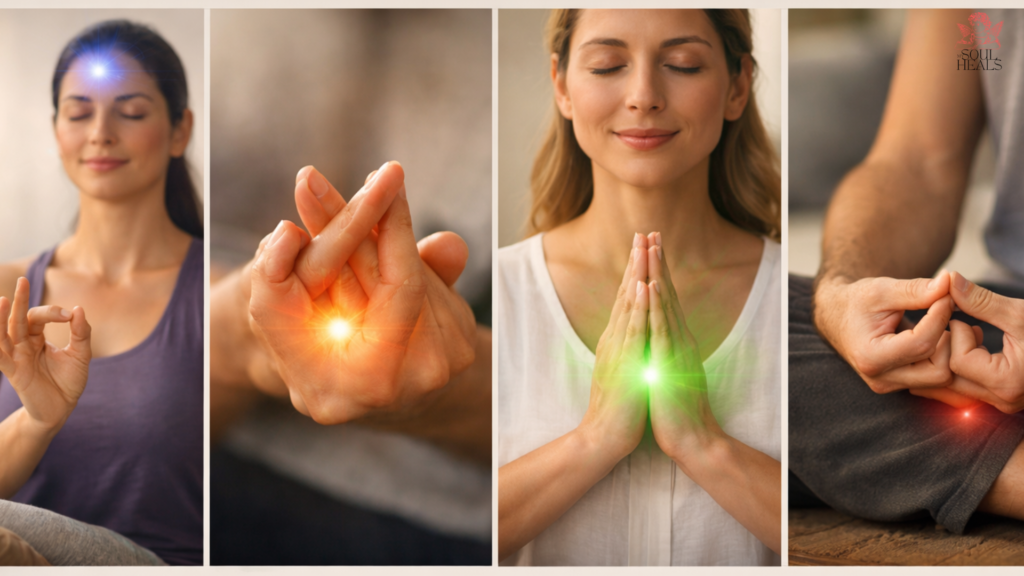
Gyan Mudra (Mudra of Knowledge)
Formed by touching the tip of the index finger to the thumb, this mudra stimulates the third eye chakra. It enhances concentration, intuition, and mental clarity, making it ideal for meditation and breathwork.
Prana Mudra (Mudra of Vital Energy)
By connecting the thumb with the ring and little fingers, Prana Mudra activates life force energy throughout the body. It supports the root and sacral chakras, helping reduce fatigue and increase vitality.
Anjali Mudra (Prayer Gesture)
This heart-centred mudra balances the left and right sides of the body while activating the heart chakra. It fosters emotional harmony, gratitude, and inner peace.
Apana Mudra (Mudra of Elimination)
This grounding mudra supports the body’s natural detoxification processes and stabilises the lower chakras. It is often used to release emotional heaviness and support digestive balance.
Scientific and Somatic Perspectives
From a modern standpoint, mudras influence the sensory-motor cortex and vagus nerve, both of which play key roles in emotional regulation. Gentle pressure and finger positioning provide feedback to the nervous system, encouraging relaxation and parasympathetic activation. This explains why mudras are effective in reducing anxiety and enhancing emotional balance.
Integrating Mudras into Daily Practice
Mudras can be practised anywhere – during meditation, while seated at a desk, or even lying down. Holding a mudra for five to fifteen minutes with slow, mindful breathing is often enough to initiate energetic shifts. Consistency is more important than duration.
Ultimately, the power of mudras lies in their simplicity. They remind us that healing does not always require effort or complexity. Through gentle awareness and intentional hand gestures, the body can access deep reservoirs of balance, clarity, and energetic harmony.
Intuitive Movement as Emotional Release
Intuitive movement is a body-led practice that allows emotions to surface and release naturally through motion rather than conscious analysis. Unlike structured exercise or choreographed dance, intuitive movement has no fixed rules, goals, or aesthetic outcomes. It is guided by internal sensations, impulses, and emotional cues. This approach recognises that emotions are not only mental experiences but also physical energies that live in muscles, joints, breath, and posture. When emotions are suppressed or ignored, the body continues to hold them, often leading to tension, fatigue, or unexplained discomfort.
How Emotions Become Trapped in the Body
From both energetic and somatic perspectives, the body stores emotional experiences when they are not fully processed. Stressful events activate survival responses in the nervous system. If the body is unable to complete these responses – such as shaking, running, crying, or expressing anger – the energy remains unfinished. Over time, this incomplete emotional energy settles into specific areas of the body, commonly the hips, shoulders, jaw, chest, and lower back. Intuitive movement gives the body permission to finish what it once had to suppress.
Chakra theory aligns closely with this understanding. Each chakra corresponds to emotional themes and physical regions. For example, grief often resides around the heart chakra, while fear and insecurity are commonly held in the root chakra. Intuitive movement allows these areas to express themselves without verbal explanation, creating a direct pathway for emotional release.
The Nervous System and Spontaneous Movement
In natural settings, the body instinctively uses movement to regulate emotions. Animals shake after stress, children move freely when overwhelmed, and spontaneous gestures often accompany emotional expression. Adults, however, are conditioned to suppress these impulses. Intuitive movement reactivates the body’s innate self-regulation mechanism by engaging the nervous system in a safe, non-threatening way.
When movement is slow, mindful, and self-directed, it activates the parasympathetic nervous system, which supports relaxation and emotional integration. As the body begins to feel safe, stored tension softens, and emotions may surface as sensations, waves of heat, trembling, or emotional release such as tears or laughter. These responses are signs of regulation, not loss of control.
Chakra Release Through Free Movement
Different types of intuitive movement naturally stimulate different chakras. Grounded movements such as swaying, stamping, or bending the knees support the root chakra by reinforcing safety and stability. Circular hip movements often activate the sacral chakra, releasing stored guilt, shame, or suppressed creativity. Expansive arm movements and chest opening gestures support the heart chakra, allowing grief, longing, or compassion to flow.
Rather than directing movement intellectually, the practice encourages listening. The body may want to stretch one side repeatedly, move very slowly, or remain still between movements. These pauses are as important as the motion itself, allowing energy to reorganise internally.
Emotional Safety and Non-Judgment
A key element of intuitive movement is emotional safety. The body will only release what it feels ready to process. Forcing movement or expecting specific emotional outcomes can recreate stress patterns rather than resolve them. Practising without mirrors, external music with strong emotional associations, or performance pressure helps maintain internal focus.
Common experiences during intuitive movement include:
- Sudden emotional awareness without clear memories
- Physical sensations such as warmth, tingling, or heaviness
- Gentle shaking or trembling
- A sense of relief or emotional lightness afterward
- Increased clarity or calmness following the session
These experiences indicate that emotional energy is moving rather than remaining stagnant.
Intuitive Movement vs. Structured Practices
While yoga and breathwork provide valuable structure, intuitive movement fills a unique gap. It allows expression without form, language, or expectation. This is particularly important for emotions that feel too complex, overwhelming, or subtle to articulate. Intuitive movement does not ask “why” an emotion exists; it simply allows it to pass through.
This makes the practice especially supportive for emotional healing, stress recovery, and trauma-sensitive work. The absence of structure gives control back to the body, which is essential for rebuilding trust in one’s internal signals.
Integrating Intuitive Movement into Daily Life
Intuitive movement does not require long sessions or special spaces. Even a few minutes of gentle movement in the morning or before sleep can help release emotional residue from the day. The key is consistency and curiosity rather than intensity. Over time, this practice deepens body awareness, emotional resilience, and energetic flow.
Ultimately, intuitive movement is a reminder that healing does not always come from understanding emotions intellectually. Sometimes, healing happens when the body is allowed to speak in its own language – through movement, sensation, and quiet release. By trusting these signals, emotional energy finds its way back into balance naturally and safely.
Grounding the Root Chakra Through Motion
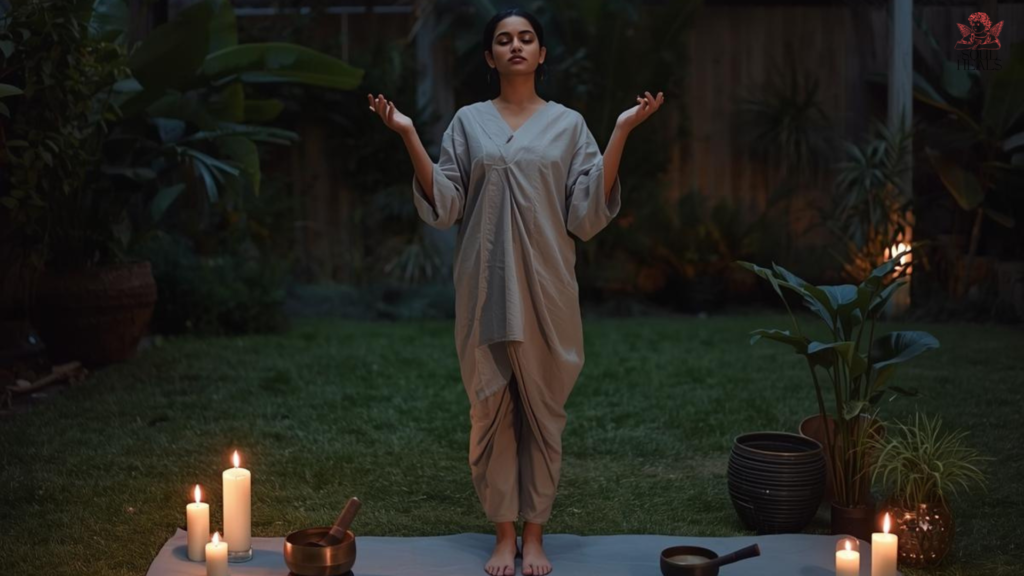
The root chakra, or Muladhara, is the foundation of the entire energy system. Located at the base of the spine, it governs survival, safety, stability, and our sense of belonging in the world. When the root chakra is balanced, the body feels supported, present, and calm. When it is imbalanced, this often shows up as anxiety, restlessness, chronic fatigue, fear, or a feeling of being “ungrounded.” Motion-based grounding is one of the most effective ways to stabilise the root chakra because this energy centre responds best to physical, tangible experiences rather than mental techniques alone.
Why the Root Chakra Needs Movement
The root chakra is deeply connected to the legs, feet, pelvis, and lower spine. It is also closely tied to the nervous system’s survival responses. When stress, insecurity, or trauma occurs, the body instinctively prepares to run, freeze, or defend itself. If these responses are not completed, the energy remains stored in the lower body. Grounding motion allows the body to finish these survival cycles gently, signalling safety to the nervous system.
Unlike higher chakras that respond well to stillness and introspection, the root chakra thrives on repetitive, rhythmic, and weight-bearing movement. These movements remind the body that it is supported by the ground beneath it.
The Science Behind Grounding Motion
From a physiological perspective, grounding movements activate proprioceptors – sensory receptors in muscles and joints that inform the brain about body position. This sensory feedback has a calming effect on the nervous system, reducing hypervigilance and stress hormones. Slow, intentional movement also stimulates the vagus nerve, supporting parasympathetic activation and emotional regulation.
This explains why activities such as walking, squatting, or gentle rocking can immediately reduce anxiety. The body interprets these movements as signs of stability and safety.
Types of Movement That Ground the Root Chakra
Grounding motion does not need to be intense or complex. In fact, simple movements are often the most effective because they allow awareness to remain in the body rather than the mind.
Common root chakra–supporting movements include:
- Slow walking with awareness of foot contact
- Gentle stomping or pressing the feet into the floor
- Squatting and rising with controlled breath
- Rocking the pelvis side to side
- Standing still while shifting weight between feet
These movements emphasise contact with the earth, helping energy move downward and settle.
Walking as a Root Chakra Practice
Conscious walking is one of the most powerful grounding tools. Each step becomes an energetic dialogue between the body and the ground. When attention is placed on the soles of the feet, the body naturally shifts out of mental overactivity. Walking outdoors, especially on natural surfaces, enhances this effect by providing additional sensory input such as texture, temperature, and rhythm.
Over time, mindful walking retrains the body to associate movement with safety rather than urgency.
Squatting and Pelvic Motion
Squatting activates the pelvic floor, hips, and legs, areas where fear and survival tension are commonly stored. Slow squats encourage the body to feel strong and supported while releasing tension from the lower back. Gentle pelvic rocking or circular movements further loosen stored energy in the sacral-root connection, helping the body feel anchored yet flexible.
These motions are particularly effective for people who feel disconnected from their body or experience chronic lower-body tension.
Breath and Motion Together
Grounding movement becomes even more effective when paired with slow, deep breathing. Inhaling as the body rises and exhaling as it sinks reinforces the sense of stability. Longer exhalations are especially helpful, as they activate calming nervous system responses and encourage energy to move downward.
Signs that grounding is occurring may include warmth in the legs, heaviness in the hips, slower thoughts, or a sense of physical presence.
Emotional Effects of Root Chakra Grounding
As the root chakra stabilises, emotional patterns often shift naturally. Anxiety softens, decision-making becomes clearer, and the body feels more resilient to stress. Old fears may surface briefly as they release, but this is usually followed by a deeper sense of calm and trust in the body.
Grounding through motion does not eliminate challenges; it strengthens the internal sense of support needed to face them.
Making Grounding a Daily Practice
Root chakra grounding does not require long sessions. Even a few minutes of conscious movement in the morning or evening can reset the nervous system. The key is consistency and attention. Over time, the body learns that it is safe to relax, stand its ground, and remain present.
Ultimately, grounding the root chakra through motion reconnects us with the most basic truth of healing: stability begins in the body. When the body feels supported, the mind can soften, emotions can settle, and energy can rise naturally through the rest of the chakra system.
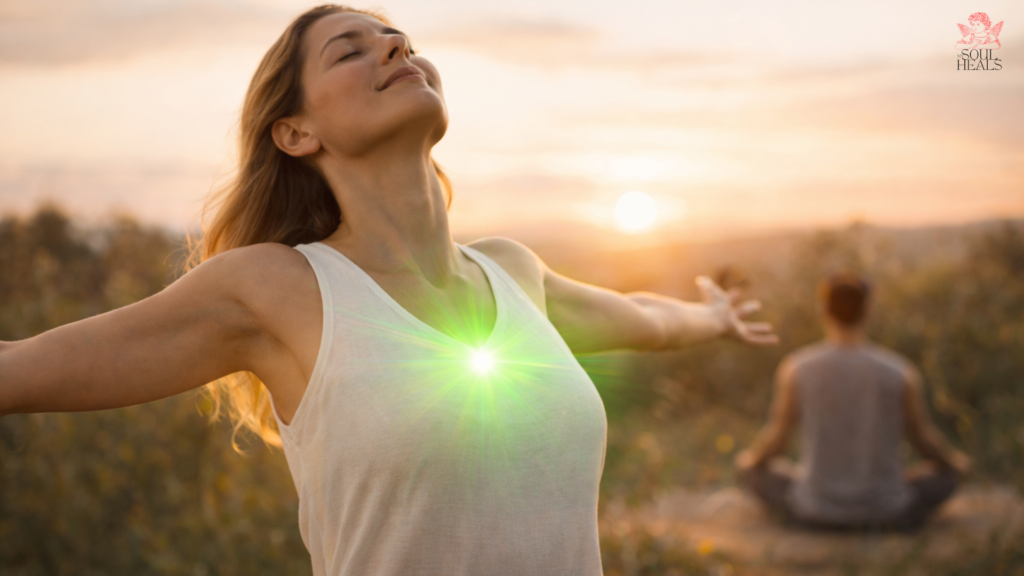
Heart-Opening Movements for Emotional Balance
The heart chakra, or Anahata, is the centre of emotional balance, compassion, love, and connection. Located in the middle of the chest, it bridges the lower, survival-based chakras with the higher, expressive and intuitive ones. When the heart chakra is open and balanced, emotions flow freely without overwhelming the system. When it becomes blocked or guarded, the body often responds by closing in on itself – rounded shoulders, shallow breathing, and tension across the chest and upper back. Heart-opening movements gently reverse these patterns, creating space for emotional healing and balance.
Why the Body Protects the Heart
Emotional pain such as grief, rejection, betrayal, or long-term stress often leads the body to protect the heart area unconsciously. This protection shows up as muscular tightness around the chest, shoulders, and upper spine. While this tension once served a purpose – shielding the nervous system from emotional overload – it can eventually restrict breathing, posture, and emotional expression. Heart-opening movements signal safety, allowing the body to release this protective holding gradually.
From a nervous system perspective, opening the chest stimulates the vagus nerve, which plays a key role in emotional regulation and social connection. As this nerve is activated, the body shifts out of fight-or-flight and into a state of calm awareness, making emotional balance more accessible.
Movement and Emotional Release
The heart chakra responds best to movements that expand, lift, and soften the chest rather than forceful stretching. Gentle backbends, arm-opening gestures, and slow spinal extension encourage energy to flow through the chest without overwhelming the system. These movements often bring emotions to the surface, not as memories but as sensations – warmth, pressure, tenderness, or waves of feeling. This is the body’s way of releasing stored emotional energy safely.
Heart-opening movements work not only on muscles but also on fascia, the connective tissue that holds emotional tension. When fascia softens, energy circulation improves, and emotional heaviness begins to lift.
Effective Heart-Opening Movements
Movements that support heart chakra balance typically involve coordinated breath and gentle expansion. Some of the most effective include:
- Slow arm sweeps that open wide on the inhale and soften inward on the exhale
- Gentle backbends with bent knees to avoid strain
- Shoulder rolls that release upper-body tension
- Spinal extensions paired with steady breathing
- Chest lifts while seated or standing
These movements can be done slowly, allowing the body to respond without pressure or expectation.
A Grounded Closing: Moving Energy into Everyday Life
Chakra healing through movement is not about mastering techniques or striving for constant balance. It is a living, ongoing relationship with the body – one built on listening, responding, and allowing. When movement, breath, and awareness become part of daily life, the chakra system no longer feels like an abstract concept but a felt experience rooted in the body. Each stretch, step, and breath becomes a quiet conversation with your inner world.
What makes this approach powerful is its simplicity. You do not need long rituals, intense practices, or perfect conditions. Even a few mindful moments of movement can release emotional residue, calm the nervous system, and restore energetic flow. Over time, the body learns that it is safe to soften, safe to express, and safe to let go. This sense of safety is the foundation of true healing.
As energy begins to move freely, emotional resilience strengthens naturally. You may notice clearer boundaries, deeper emotional awareness, and a renewed sense of presence. Challenges still arise, but they no longer settle as tension or stagnation in the body. Instead, they pass through with greater ease.
Ultimately, chakra healing through the body is an invitation to trust physical wisdom. When you honour the body’s signals and move with intention, balance stops being something you chase – it becomes something you return to, again and again, through the simple act of being present in your own movement.

✦ Related Articles You May Love
- Heart Chakra Healing For Self Love
- Aromatherapy Blends For Chakra Energy Healing
- The Power Of Silence How To Reclaim Stillness In A Noisy Overstimulated World
- Book List For Divine Feminine Awakening
- Interviews With Past Life Regression Authors
- Recommended Books For Emotional Detox
- Memoirs Of Spiritual Rebirth Journeys
- Books On Healing Mother Wound Trauma
- Poetry Based Meditation Reading
- Chakra Energy Habits For Daily Life
- Inner Alignment With Chakra Affirmations
- Signs Your Sacral Chakra Is Over Nurturing
- Crown Chakra Healing For Spiritual Downloads
- Relationship Wounds And Heart Chakra Blocks
- Understanding Past Life Chakra Imprints
- Chakra Breath Cycles For Inner Peace
- Healing Music Frequencies For Each Chakra
- Foods That Support Each Chakra
- Chakra Journaling For Emotional Clarity
- Spiritual Awakening Memoirs That Inspire Change
- How Soulful Storytelling Supports Emotional Resilience
- Readers Journey Transformation Through Spiritual Fiction
- Mystical Poetry That Evokes Healing And Hope 2
- Mystical Poetry That Evokes Healing And Hope
- Reflective Prompts From Sacred Indigenous Texts
- Soulful Bedtime Stories To Ease Worry 2
- Soulful Bedtime Stories To Ease Worry
- Journaling Prompts For Intuitive Dream Recall
- Interview With Energy Healer On Ancestral Healing
- Book List Gentle Spiritual Reads For Beginners
- Gratitude And Energy Expansion Guided Meditation
- Journey For Forgiveness And Self Compassion
- Nighttime Guided Cleansing For Busy Minds
- Sound Journey With Binaural Beats For Chakra Flow
- Inner Child Healing Guided Journey Script
- Guided Walk Meditation For Mindful Mornings
- Visualization Journey To Meet Your Spirit Animal
- Herbal Tea Rituals For Chakra Balance
- Healing Altar Ideas For Small Apartments
- Tapping Eft On Solar Plexus To Reduce Stress
- Visualisation With Colours For Anxiety Relief
- Simple Self Reiki Sequence After A Busy Day
- Ritual Bath Before Bed For Cleansing
- Yoga For The Sacral Chakra After A Creative Block
- Mystical Poetry That Ignites Spiritual Healing Readings
- True Soul Stories Of Transformation Through Meditation
- Yoga Flows To Balance The Throat And The Third Eye
- Crystal Suggestions For Heart Chakra Compassion
- Sound Healing At Home With Singing Bowls
- Aromatherapy Blends For Sacral Chakra Opening