
Daily Spiritual Practices for Busy Lives & Small Spaces
Modern life rarely pauses. Alarms ring before the sun fully rises, notifications stack up before we finish our first sip of tea, and responsibilities line up one after another without asking how we feel. In such a rhythm, the idea of daily spiritual practices often feels like a luxury rather than a necessity.
Many people believe spirituality requires hours of silence, a separate room, incense-filled corners, or long rituals that do not fit into a packed schedule. This belief quietly pushes inner peace further away, even when it is needed the most. In truth, spirituality does not demand grand gestures. It asks for presence, intention, and small moments of connection that can be woven gently into everyday life.
Daily spiritual practices are not about escaping your responsibilities but about learning how to meet them with a calmer, more grounded heart. They help you reconnect with yourself, even when your time is limited and your space is small. Whether you live in a studio apartment, share a room, or move constantly between work and home, spiritual connection can still exist. It does not require silence that lasts for hours. It can begin with a single conscious breath, a whispered intention, or a moment of gratitude. Over time, these tiny rituals create a deep sense of meaning, balance, and emotional clarity.
For spiritual practices for busy people, spirituality often needs to be flexible. It must bend without breaking, adapt without losing its depth, and support without overwhelming. The goal is not to add more tasks to your day but to soften the ones already there. Spiritual routine busy people follow should feel like a relief, not another obligation. It should become something you look forward to, not something you feel guilty for missing. When practiced gently, spirituality becomes a refuge you can return to again and again, no matter how chaotic life feels.
Small space rituals are equally powerful. A small corner, a windowsill, or even a bedside table can hold sacred meaning. Spiritual energy does not measure square footage. What matters is the intention you place into the space. A candle, a plant, a crystal, or a meaningful object can transform an ordinary surface into a place of connection. Over time, this tiny sacred area becomes a reminder that peace is always available, even when everything else feels loud.
One woman I once spoke to worked long shifts at a hospital and lived in a shared apartment. She believed spirituality was impossible for her because she had no private room and no free time. Slowly, she began sitting on her bed for two minutes before sleep, placing her hand on her heart and whispering one thing she was grateful for. Within weeks, she felt calmer, slept better, and stopped feeling emotionally empty. Her practice was small, almost invisible, yet deeply transformative. This is the true power of daily spiritual practices.
Spirituality is not a destination. It is a relationship with yourself that grows through consistency, kindness, and presence. You do not have to be perfect, disciplined, or enlightened. You simply have to begin. When you honor even the smallest moments, you invite peace into the busiest of days. And when peace enters, everything else slowly starts to feel lighter.
What Daily Spiritual Practices Really Mean
Many people imagine spirituality as something distant and mystical, reserved for monks, yogis, or people with endless free time. In reality, daily spiritual practices are deeply personal. They are the ways you choose to connect with your inner self, your emotions, and the larger meaning of life. They can be religious or non-religious, structured or fluid, silent or expressive. What makes them spiritual is not the form, but the intention behind them.
A spiritual practice becomes meaningful when it brings you back to yourself. It reminds you that you are more than deadlines, more than stress, more than the roles you play. When life becomes overwhelming, spiritual rituals act as anchors. They ground you, stabilize your emotions, and offer clarity when your mind feels scattered. Over time, these practices help you respond rather than react, listen rather than rush, and feel rather than suppress.
Spiritual routine busy people follow should not feel heavy or demanding. It should feel natural, like breathing. Some days, it may last ten minutes. Other days, it may be just one conscious breath before opening your laptop. Both count. Both matter. Spirituality is not about perfection. It is about consistency, even in its simplest form.
When your space is small, your spirituality can become even more intimate. Small space rituals allow you to build a deeper relationship with yourself because they remove the need for excess. A single candle can hold more meaning than an entire decorated room if it is lit with intention. A journal placed beside your bed can become a portal to your inner world. These rituals do not require silence; they only require presence.
One young man who worked remotely in a tiny apartment once shared how he struggled with loneliness and burnout. He began opening his window every morning, placing his hand outside, and silently wishing himself peace for the day. It took less than a minute. Yet, that simple ritual made him feel less alone and more connected to life itself. This is the quiet magic of daily spiritual practices.
Spirituality does not ask you to change your life. It asks you to change how you experience it. When practiced daily, even in the smallest ways, it shifts your inner world. And when your inner world changes, your outer world slowly follows.
Why Busy Lives Need Spiritual Practices More Than Ever
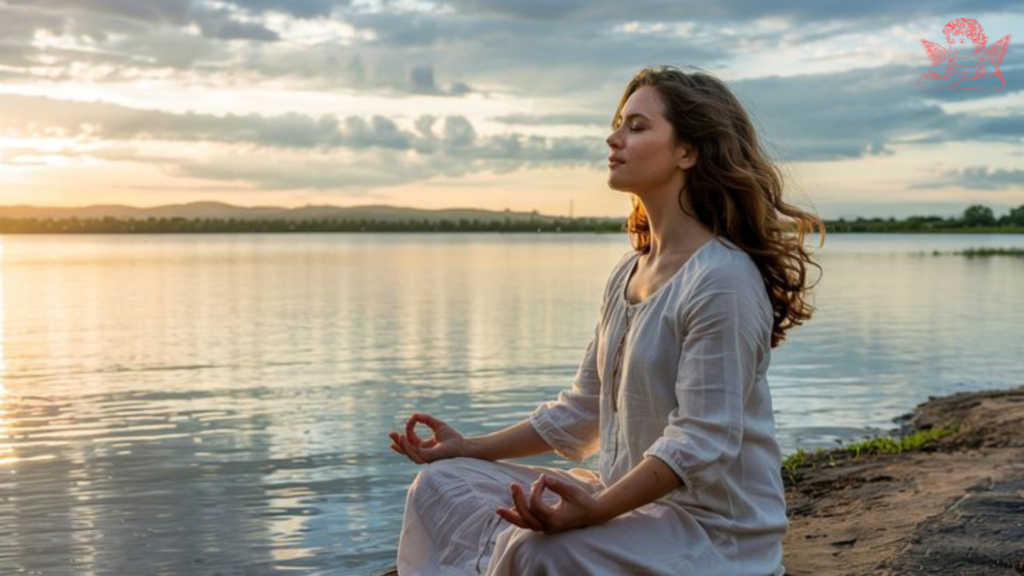
The busier your life becomes, the more your soul asks for rest. Unfortunately, rest is often misunderstood as sleep or distraction. While both are important, they do not fully restore the emotional and spiritual layers of a human being. True rest comes from feeling safe inside yourself, from knowing that you are supported by something deeper than your daily tasks. This is where daily spiritual practices become essential.
When you move from one responsibility to another without pause, your nervous system remains in a constant state of alertness. Over time, this leads to emotional numbness, anxiety, irritability, and exhaustion. You may feel like you are functioning, but not truly living. Spiritual practices gently interrupt this cycle. They remind your body and mind that it is okay to slow down, even for a few seconds.
A spiritual routine busy people follow should not feel like a burden. It should feel like permission. Permission to breathe, to feel, to reflect, and to reconnect. It becomes a soft space in your day where nothing is demanded from you. In that space, you can simply exist. That alone can be deeply healing.
For those living in small homes or shared environments, small space rituals become lifelines. You do not need silence to be spiritual. You only need sincerity. Even a bathroom, a balcony, or a parked car can become a sacred space if you approach it with intention. Spirituality adapts. It does not judge. It meets you where you are.
A mother of two once described how she practiced mindfulness while washing dishes. She focused on the warmth of the water, the sound of the plates, and her breathing. What once felt like a chore slowly became her moment of peace. This is how spirituality weaves itself into real life. It does not demand extra time. It transforms the time you already have.
Daily spiritual practices do not remove challenges. They change how you carry them. They give you emotional resilience, clarity, and a sense of meaning that no schedule can take away. And in a world that constantly asks for more, they gently remind you that you are already enough.
How to Build a Spiritual Routine for Busy People
Creating a spiritual routine when your days are packed can feel intimidating. You may think you need long stretches of silence, perfect discipline, or a calm environment to begin. In reality, a spiritual routine busy people can follow must be flexible, forgiving, and simple. It should fit into your life rather than forcing your life to fit into it. The purpose of spirituality is not to add pressure but to remove it.
Start by understanding that a routine does not mean repetition in a rigid way. It means returning to something that feels nourishing. Some days, your practice may be five minutes of breathing. Other days, it may be a quiet walk or writing a few lines in your journal. What matters is not how long you do it but how present you are while doing it. Presence is the true heart of daily spiritual practices.
One helpful approach is to attach your spiritual moments to activities you already do. This is called habit pairing. For example, while brushing your teeth, you can take three deep breaths and silently wish yourself a peaceful day. While making tea, you can hold the cup with both hands and feel its warmth as a grounding ritual. Before opening your phone in the morning, you can place your hand on your chest and set a gentle intention. These moments require no extra time, yet they slowly reshape your inner world.
A corporate employee once shared how she felt spiritually disconnected because of her hectic schedule. She started practicing gratitude while waiting for her elevator every morning. Instead of scrolling, she mentally listed three things she appreciated. Within weeks, she noticed she was less irritated, more patient, and more emotionally balanced. This is the subtle power of a spiritual routine busy people can truly maintain.
The most important thing is to choose practices that feel kind to you. If a ritual feels heavy, complicated, or forced, it will not last. Spirituality is not meant to feel like homework. It should feel like coming home to yourself.
Creating Sacredness in Small Spaces
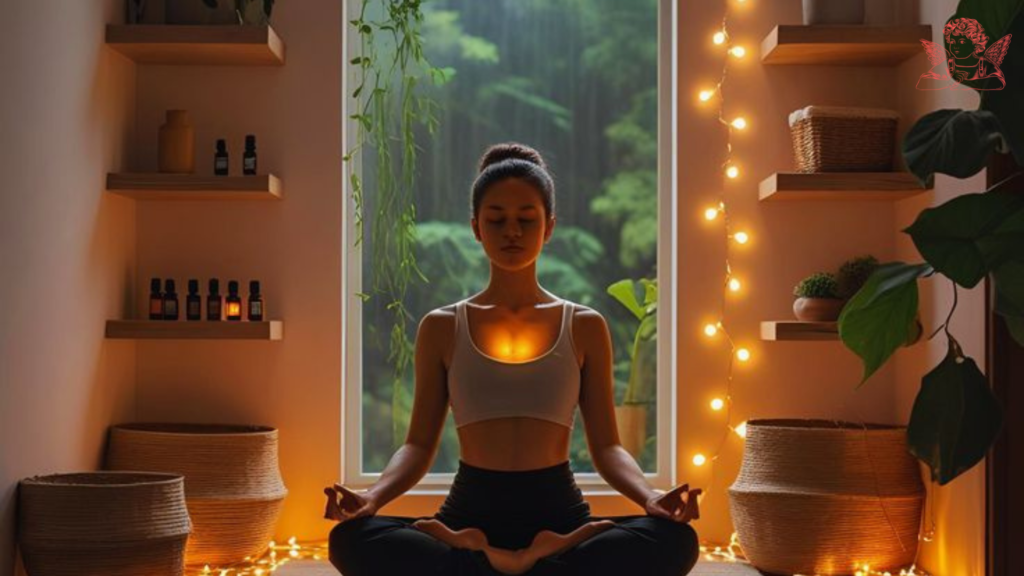
Small space rituals remind us that sacredness is not about size, decoration, or perfection. It is about intention. A tiny corner can become a spiritual sanctuary if you treat it with presence. Whether you live in a shared home, a dorm room, or a compact apartment, your space can still hold deep meaning.
Begin by choosing one spot that feels safe and calming. It could be beside your bed, near a window, or even on a shelf. Place one or two objects that make you feel connected to yourself. This could be a candle, a stone, a photo, a plant, or a handwritten affirmation. Over time, this space becomes a symbol of inner peace. When you sit there, your body begins to relax automatically.
Small space rituals work best when they are simple. Light a candle and sit quietly for two minutes. Place your hand over your heart and breathe. Whisper a short prayer or affirmation. Close your eyes and visualize something that brings you comfort. These practices do not require silence or isolation. They require only sincerity.
A college student living with roommates once shared how she practiced meditation in her closet because it was the only quiet place. She would sit on the floor, close her eyes, and breathe for three minutes. That tiny, unconventional space became her sanctuary. This story reminds us that spirituality adapts. It does not wait for perfect conditions.
When you treat a small area with reverence, your mind begins to associate it with calmness. Over time, just sitting there can bring emotional relief. This is how daily spiritual practices slowly rewire your nervous system.
Morning Spiritual Practices That Do Not Steal Your Time
Mornings often set the tone for the entire day. Yet for many people, they are rushed, chaotic, and filled with anxiety. Spirituality in the morning does not mean waking up an hour earlier. It means changing how you meet the morning, even for a few seconds.
Before checking your phone, take three slow breaths. Feel your body. Notice the temperature of the room. Gently remind yourself that you are alive, and that matters. This small act of awareness can create a sense of grounded living that stays with you throughout the day.
Another gentle morning ritual is intention setting. Instead of planning everything you must do, choose how you want to feel. Calm. Focused. Kind. Patient. You can whisper this word or write it on a small piece of paper. This shifts your energy from pressure to purpose.
If you enjoy movement, stretching your arms, neck, and back while breathing slowly can become a spiritual practice. You are not just moving your body; you are honoring it. When you treat your body with respect, your mind follows.
A father of two once described how he practiced gratitude practices while tying his shoelaces. He would mentally thank his body for carrying him through the day. This small habit transformed his relationship with himself. This is the beauty of daily spiritual practices. They do not need to look spiritual to be spiritual.
Midday Practices for Emotional Reset
By midday, stress often builds silently. Meetings, tasks, expectations, and responsibilities pile up. Without emotional release, this tension settles into your body. You may feel restless, tired, or irritable without knowing why. Spirituality offers gentle ways to reset.
One simple practice is conscious breathing. Place one hand on your stomach and breathe slowly. Count your breaths if that helps. This tells your nervous system that you are safe. It brings you back into your body.
Another powerful ritual is grounding through the senses. Notice five things you can see, four you can touch, three you can hear, two you can smell, and one you can taste. This practice anchors you in the present moment and pulls your mind away from stress.
If you can step outside, even for a minute, feel the ground beneath your feet. Look at the sky. Observe a tree or a bird. Nature has a quiet way of reminding us that life is larger than our worries.
A woman working in customer service once shared how she practiced emotional grounding in the restroom. She would close her eyes, breathe deeply, and remind herself that she was doing her best. That small act saved her from burnout. This is how small space rituals and spiritual routines support real lives.
Evening Rituals for Emotional Release
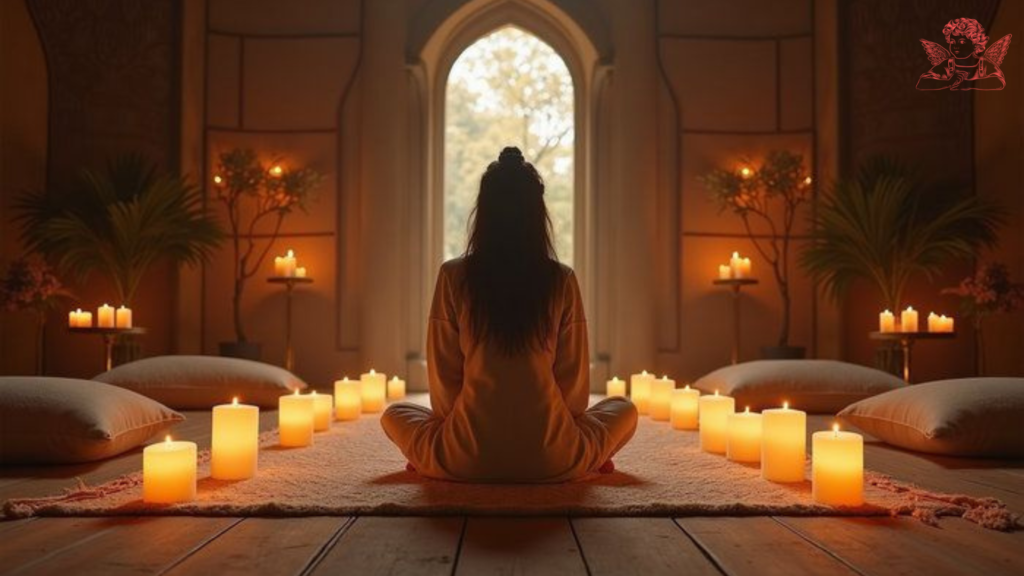
Evenings carry the emotional weight of the day. If you do not release what you have absorbed, it follows you into your sleep. Over time, this leads to restlessness, vivid dreams, and exhaustion. Evening spiritual practices are about letting go.
One simple ritual is to mentally review your day without judgment. Notice what made you happy, what hurt, what tired you. Then imagine placing all of it into a basket and setting it down. This symbolic act helps your mind release tension.
Journaling can be deeply healing. Write without worrying about grammar or structure. Let your emotions spill onto the page. You are not writing to impress anyone. You are writing to free yourself.
If you are too tired to write, place your hand on your chest and whisper something kind to yourself. This may feel awkward at first, but it builds emotional safety.
A delivery driver once shared how he practiced emotional release by sitting in his car for two minutes before entering his home. He would breathe, close his eyes, and reset. This helped him be more present with his family. These small rituals change lives quietly.
Spirituality Without Perfection
One of the biggest barriers to daily spiritual practices is the belief that you must do them perfectly. This belief creates guilt, shame, and avoidance. True spirituality is gentle. It does not punish you for missing a day. It welcomes you back.
Some days, your practice may be deep and emotional. Other days, it may be one breath. Both are valid. Spirituality is not a performance. It is a relationship.
When you remove pressure, consistency becomes easier. When consistency becomes easier, transformation happens naturally.
You are not behind. You are not failing. You are learning.
Spiritual Micro Rituals for Chaotic Days
Some days feel too full for anything extra. You wake up already behind, move from one responsibility to the next, and collapse into bed wondering where the time went. On such days, the idea of daily spiritual practices can feel unrealistic. But these are the days when you need them the most. This is where spiritual micro rituals come in.
Micro rituals are tiny moments of presence that fit into even the busiest schedules. They do not require silence, preparation, or special tools. They only require awareness. A single deep breath before opening an email can be a spiritual act. Closing your eyes for ten seconds and feeling your feet on the floor can be a ritual. Whispering a kind word to yourself while washing your hands can be sacred.
These small acts may seem insignificant, but they slowly reshape your emotional landscape. They remind your nervous system that you are safe, supported, and allowed to pause. Over time, your body begins to expect these moments of gentleness. This expectation alone can reduce anxiety and mental fatigue.
A teacher once shared how she practiced spirituality by placing her hand on her heart between classes. She would silently say, “I am doing my best.” This took less than five seconds but gave her the strength to continue her day with patience. This is the power of spiritual routine busy people can sustain.
Micro rituals also help you stay emotionally present. Instead of living on autopilot, you start noticing small details: the warmth of sunlight, the rhythm of your breath, the softness of your pillow. Life begins to feel richer, even when it is fast.
Spirituality does not demand long ceremonies. It asks for awareness. And awareness can exist in the smallest moments.

Emotional Safety Through Daily Spiritual Practices
At its core, spirituality is about creating emotional safety within yourself. Many people search for safety in relationships, achievements, or routines, but true safety begins inside. Daily spiritual practices help you build that inner refuge.
When you pause, breathe, and connect with yourself, you send a powerful message to your nervous system: you are not alone. This reduces stress, lowers emotional reactivity, and builds resilience. Over time, you stop seeking constant validation from the outside because you begin to feel supported from within.
Emotional safety also means allowing yourself to feel without judgment. Spirituality teaches you to observe your emotions rather than suppress them. If you feel tired, you acknowledge it. If you feel overwhelmed, you breathe into it. This gentle awareness prevents emotional buildup.
One young professional once described how she practiced emotional safety by sitting quietly for one minute after work before doing anything else. She would place her bag down, close her eyes, and breathe. That one minute helped her transition from work mode to personal mode. It prevented emotional spillover.
Small space rituals are especially powerful for emotional safety. When you consistently use the same corner, same chair, or same spot for your practice, your body begins to associate it with calm. Just sitting there can slow your heart rate and relax your muscles.
Over time, you become your own safe place. And that is one of the greatest gifts of daily spiritual practices.
Making Ordinary Moments Sacred
One of the most beautiful aspects of spirituality is its ability to transform ordinary moments into sacred ones. You do not need special clothing, music, or lighting. Sacredness comes from presence.
Drinking water can become a ritual if you drink it slowly and consciously. Cooking can become spiritual if you focus on the colors, textures, and smells. Walking can become meditation if you feel each step. These are not poetic ideas; they are practical ways to live more fully.
When you approach life with awareness, you stop rushing through it. You begin to notice. And when you notice, you feel more alive.
A man once shared how he practiced gratitude while locking his door every morning. He would thank his home for keeping him safe. This small habit shifted his entire mindset. He stopped feeling rushed and started feeling grounded.
Spirituality is not separate from life. It is life, experienced deeply.
When you integrate daily spiritual practices into ordinary moments, you no longer feel like you have to “find time” for them. They become part of your rhythm.
Letting Go of Comparison in Your Spiritual Journey
In a world of social media, spirituality is often portrayed as aesthetic, silent, and perfect. This can create unrealistic expectations. You may feel like you are doing it wrong if your mind wanders, if your space is messy, or if your practice is inconsistent.
True spirituality does not look the same for everyone. Some people connect through silence. Others through music. Some through prayer. Others through journaling. There is no universal method.
Your spiritual routine busy people follow must reflect your life, not someone else’s. If your practice feels genuine, it is valid.
Comparison steals the joy from spirituality. When you release it, your practice becomes lighter, more personal, and more meaningful.
You are not late. You are not behind. You are exactly where you need to be.
Learning to Listen to Yourself in a Noisy World
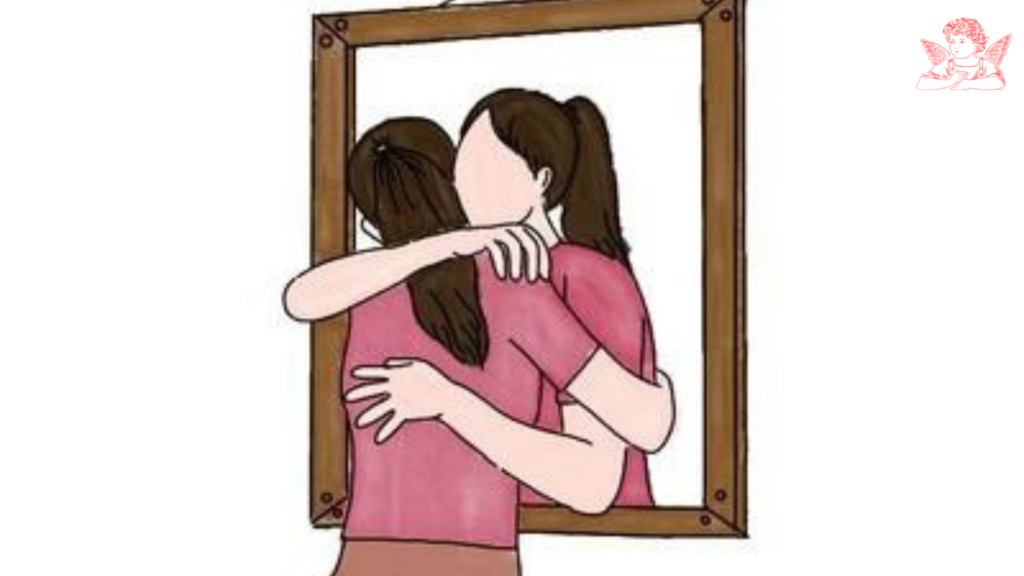
One of the most overlooked aspects of daily spiritual practices is the ability to truly listen to yourself. In a world that constantly demands attention, opinions, productivity, and speed, most people lose touch with their inner voice. You may be physically present in your life, yet emotionally disconnected from what you truly feel, need, or desire. This disconnection does not happen suddenly. It builds quietly, one ignored emotion at a time, one rushed moment after another, until you forget how to hear yourself at all.
Spirituality begins with listening. Not to external teachings, but to your own inner world. This does not require silence for hours. It begins with pausing and asking simple questions. How do I feel right now? What does my body need? What am I carrying emotionally? These questions may seem small, but they open doors to deep self-awareness.
For busy people, learning to listen to themselves can feel uncomfortable at first. When you slow down, emotions surface. Thoughts you have been avoiding may appear. This is not a failure. This is healing. Your inner world has been waiting for your attention. Daily spiritual practices give you the space to offer that attention gently.
Small space rituals are perfect for this kind of listening. Sitting on your bed, leaning against a wall, or resting on a chair can become moments of deep connection. You do not need perfect posture or silence. You only need honesty. Let your thoughts come and go. Notice how your body feels. Over time, you will begin to recognize patterns. You will notice when you are tired emotionally, not just physically. You will sense when something feels wrong before it becomes overwhelming.
A young entrepreneur once shared how she practiced listening to herself while sitting in her parked car after work. Instead of scrolling on her phone, she would close her eyes for two minutes and ask herself how she truly felt. She realized she was often exhausted emotionally, not just busy. This awareness helped her change her schedule, set boundaries, and rest without guilt. This is the quiet power of spiritual listening.
When you begin to listen, you stop abandoning yourself. You stop pushing your needs aside. You begin to live with more authenticity. This inner alignment reduces stress, confusion, and emotional burnout. Over time, you become more confident in your decisions because they come from clarity, not pressure.
Listening to yourself is not selfish. It is essential. It allows you to show up for others without losing yourself. And that is one of the deepest gifts daily spiritual practices can offer.
Rebuilding Trust With Yourself Through Gentle Rituals
Many people struggle with self-trust without realizing it. They doubt their emotions, minimize their needs, and override their instincts to meet external expectations. Over time, this creates inner conflict. You may look confident on the outside but feel uncertain on the inside. Spirituality, at its core, is a journey of rebuilding trust with yourself.
Daily spiritual practices are not just calming activities. They are promises you make to yourself and keep. When you sit with yourself, breathe with intention, or reflect honestly, you show yourself that you matter. This consistency, even in small forms, slowly repairs the relationship you have with your inner world.
For busy people, trust is often broken through self-neglect. You tell yourself you will rest, but you do not. You tell yourself you will slow down, but you push harder. You promise yourself peace, but choose pressure. Gentle spiritual routines help reverse this pattern. They teach you to keep small promises. A two-minute breathing practice. A kind word before sleep. A quiet pause before starting the day.
Small space rituals strengthen this trust even more because they are intimate. They happen in your private world. They are not for performance or validation. They are just for you. When you return to the same spot each day, even briefly, your nervous system begins to associate it with safety. This repetition tells your body that you are reliable. That you will show up for yourself.
A woman living in a shared apartment once described how she rebuilt self-trust by lighting a candle every night before sleeping. She would sit on her bed, close her eyes, and thank herself for surviving the day. It took less than two minutes. Yet, over time, she stopped feeling emotionally abandoned by herself. She felt supported. Seen. Safe.
Trust is not built through big gestures. It is built through small, consistent acts of care. When you honor your feelings instead of suppressing them, you strengthen self-trust. When you rest without guilt, you strengthen self-trust. When you choose presence over pressure, you strengthen self-trust.
Spiritual routine busy people follow must focus on this rebuilding. Not discipline, but devotion. Devotion to your own well-being. Over time, this trust transforms how you move through life. You stop questioning yourself constantly. You stop seeking constant reassurance. You begin to feel steady.
And when you trust yourself, peace becomes natural.

When You Miss a Day, Begin Again
One of the most important lessons of daily spiritual practices is learning how to return. You will miss days. You will forget. You will feel too tired. This does not mean you have failed.
Spirituality teaches you to begin again, without guilt.
When you miss a day, simply return the next moment you remember. There is no punishment. There is only presence.
This gentle approach builds self-compassion, which is one of the most healing qualities you can develop.
Living a busy life does not mean you have to live a disconnected one. Even in small spaces, even in crowded schedules, even in emotionally demanding days, daily spiritual practices can become your anchor. They remind you that peace is not something you must chase. It is something you can create, moment by moment.
Spirituality is not about escaping life. It is about learning how to live it with more presence, more softness, and more meaning. When you pause, breathe, and listen to yourself, you build a relationship that no external chaos can break.
Small space rituals show us that sacredness does not require perfection. A candle, a breath, a word of kindness can hold deep power. Spiritual routine busy people follow must be realistic, gentle, and forgiving. It should support you, not pressure you.
Through tiny, consistent acts, you slowly transform your inner world. You become more emotionally resilient. You begin to trust yourself. You stop rushing through your own existence.
Spirituality teaches you that you are not just surviving. You are becoming.
And that, in itself, is sacred.
Watch: Related Video
Frequently Asked Questions