Sleep, Relaxation & Nighttime Guided Energy Cleansing Journeys
In the quiet hours of the night, when the world slows and external noise fades, the body and mind finally receive permission to rest. Yet for many people, sleep does not arrive easily. Thoughts linger, emotions remain unsettled, and the nervous system stays alert long after the lights go out. This is where the gentle power of sleep meditation becomes not just helpful, but essential. Sleep is not merely the absence of wakefulness. It is a sacred state of restoration where the body repairs itself, the mind reorganizes memory, and the subtle energy field resets. When sleep is supported through intention, breath, and guided awareness, it becomes deeply nourishing rather than restless or fragmented.
Nighttime is also the most powerful period for energetic release. Throughout the day, we unconsciously absorb emotional residue from conversations, stress from responsibilities, and subtle tension from our environment. These accumulated energies often surface at night as racing thoughts, tight muscles, or emotional heaviness. Nighttime energy cleansing is a conscious process that allows this stored weight to gently dissolve. Through guided imagery, slow breathing, and mindful relaxation, the body feels safe enough to let go. This surrender is not forced. It is an invitation into softness, stillness, and trust.
A deep relaxation meditation at night is not about effort or discipline. It is about remembering how to rest. Many adults have forgotten how to truly relax, confusing distraction with rest and exhaustion with sleep. True relaxation is a state where the nervous system shifts from survival mode into healing mode. Guided nighttime practices help the body make this transition naturally. As attention moves inward, the breath deepens, the muscles release, and the mind begins to quiet. This is the doorway through which deep, restorative sleep emerges.
Sleep guided meditation also reconnects us to our inner rhythm. In a world driven by schedules and stimulation, we often override our natural cycles. Meditation at bedtime helps reestablish harmony with the body’s innate intelligence. It signals safety. It tells the brain that the day is complete. It creates a psychological and energetic boundary between activity and rest. Over time, this ritual trains the body to associate certain sounds, words, or breathing patterns with sleep itself, making it easier to drift off even on stressful days.
Understanding the Mind Body Energy Connection During Sleep
Sleep is a multidimensional experience. It is physical, mental, emotional, and energetic all at once. When one layer remains unsettled, the others struggle to fully rest. This is why people may feel physically tired yet mentally alert, or emotionally drained yet unable to sleep. Sleep guided meditation works because it addresses all these layers together rather than treating sleep as a purely physical function.
The mind plays a central role in sleep quality. During the day, it is constantly processing information, solving problems, and scanning for potential threats. At night, this mental momentum does not always stop on its own. Thoughts replay conversations, anticipate tomorrow, or revisit old memories. Meditation gently redirects this mental energy. Instead of trying to silence the mind, it gives the mind something soothing to focus on, such as breath, imagery, or calming narration. This redirection gradually slows thought patterns without resistance.
The body responds immediately to mental cues. When the mind relaxes, muscles follow. Heart rate slows. Blood pressure drops. Breathing becomes rhythmic and deep. These physiological changes activate the parasympathetic nervous system, which governs rest and digestion. Deep relaxation meditation specifically targets this system, allowing the body to move out of stress response and into restoration. This is why guided practices often begin with progressive muscle relaxation or breath awareness, creating a physical sense of safety before deeper layers are addressed.
Energy, though less visible, is equally important. Throughout the day, energy flows toward tasks, people, and external demands. At night, this energy must return inward for replenishment. Nighttime energy cleansing supports this inward movement. Visualization techniques may involve light washing through the body, releasing heaviness into the earth, or clearing the space around the body. These practices help dissolve energetic congestion that can otherwise manifest as restlessness or vivid dreams.
Emotions are also stored in the body and energy field. Unprocessed feelings do not disappear when the day ends. They linger in the nervous system, often surfacing at night when distractions fade. Guided nighttime meditation creates a compassionate space where emotions can soften without analysis. There is no need to fix or understand them. Simply acknowledging their presence and allowing them to pass restores emotional balance and prepares the mind for sleep.
When mind, body, and energy align in relaxation, sleep becomes effortless. There is no striving, no forcing, and no frustration. The transition into sleep feels natural, like floating rather than falling. Over time, consistent practice strengthens this connection, making restful sleep more accessible even during challenging periods.

The Role of Sleep Guided Meditation in Deep Nighttime Healing
Sleep guided meditation is not only a tool for falling asleep. It is a doorway into deep healing that occurs beneath conscious awareness. During sleep, the body repairs tissues, balances hormones, and strengthens the immune system. The brain consolidates memory, processes emotions, and clears metabolic waste. Meditation enhances these natural processes by creating optimal conditions for them to occur.
One of the most profound benefits of guided meditation at night is its effect on chronic stress. Stress accumulates gradually, often without conscious awareness. It tightens muscles, disrupts digestion, and interferes with sleep cycles. Meditation interrupts this pattern by signaling safety and rest. Even before sleep begins, the body starts to heal simply because it is no longer in a state of vigilance.
Nighttime energy cleansing deepens this healing by addressing stress on an energetic level. Stress is not only mental. It leaves an imprint on the energy field, creating areas of stagnation or depletion. Guided practices that involve light, warmth, or gentle movement help restore balance. This can lead to more refreshing sleep, fewer awakenings, and a sense of emotional clarity upon waking.
Deep relaxation meditation also supports trauma recovery. Many people carry unresolved experiences in their nervous system. At night, these experiences may surface as anxiety, nightmares, or insomnia. Gentle guided practices offer a sense of containment and safety. The voice of the guide becomes a grounding presence, reminding the body that it is safe in the present moment. Over time, this consistent reassurance can gradually rewire stress responses and promote emotional resilience.
Another important aspect of nighttime meditation is its impact on subconscious beliefs. As the mind relaxes, it becomes more receptive to positive suggestions. Affirmations embedded within sleep guided meditation can gently reshape self perception and emotional patterns. Phrases that emphasize safety, worthiness, and rest are absorbed naturally, without resistance. This makes nighttime meditation a powerful tool for emotional and psychological transformation.
Sleep guided meditation also improves sleep architecture. People who meditate regularly often experience longer periods of deep sleep and fewer nighttime awakenings. This is because meditation reduces the mental and emotional activity that disrupts sleep cycles. The result is not just more sleep, but better quality sleep that leaves the body truly restored.
Nighttime Energy Cleansing as a Ritual of Release
Nighttime energy cleansing is most effective when approached as a ritual rather than a technique. A ritual creates intention and consistency. It marks the transition from day to night, from doing to being. This sense of closure is deeply calming for the nervous system.
The ritual begins before meditation even starts. Dimming lights, turning off screens, and creating a quiet environment prepares the body for rest. These actions signal to the brain that stimulation is ending. When combined with meditation, they create a powerful association between certain cues and sleep.
During the meditation itself, energy cleansing often involves visualization. The mind imagines releasing the weight of the day, allowing it to dissolve or flow away. This may look like tension melting, darkness being replaced by light, or heaviness sinking into the ground. These images are not just symbolic. The nervous system responds to them as if they are real, triggering relaxation responses throughout the body.
Breath plays a central role in energy cleansing. Slow, deep breathing moves energy through the body and calms the mind. Each exhale becomes an opportunity to release. Each inhale brings in calm, safety, and ease. Over time, this rhythm becomes automatic, making it easier to relax even without guidance.
Nighttime energy cleansing also clears emotional residue. Emotions that were suppressed during the day are gently acknowledged and released. There is no analysis, no storytelling, and no judgment. Simply allowing these feelings to be felt and then softened prevents them from carrying into sleep.
As the energy field clears, the body feels lighter and more spacious. This sense of openness supports deeper sleep and more vivid dreams that feel restorative rather than draining. Many people report waking up with a sense of emotional clarity after consistent nighttime cleansing practices.
This ritual becomes especially powerful when practiced regularly. The body learns to let go more quickly. The mind stops clinging to unresolved thoughts. Sleep arrives with greater ease. Over time, nighttime energy cleansing becomes a trusted companion, offering comfort and stability regardless of daily stress.

Deep Relaxation Meditation and the Art of Letting Go
Deep relaxation meditation is often misunderstood as passive or effortless. In reality, it is an art that requires presence, patience, and gentleness. Letting go is not something we force. It is something we allow. This distinction is especially important at night, when effort can create more tension rather than less.
The process begins with awareness. Simply noticing areas of tension without trying to change them creates a subtle shift. Awareness brings space. Space allows release. Guided meditation supports this process by directing attention in a slow, deliberate way. As each part of the body is acknowledged, it feels seen and safe enough to relax.
Letting go also involves releasing control over sleep itself. Many people become anxious about falling asleep, which paradoxically keeps them awake. Deep relaxation meditation removes this pressure. The goal is not sleep, but relaxation. Sleep becomes a natural byproduct rather than an objective. This shift in intention often makes sleep arrive more easily.
Breath is a powerful anchor during this process. When attention rests on the breath, the mind has less room to wander. Each breath becomes a reminder that nothing needs to be done. The body knows how to sleep. The mind knows how to rest. Meditation simply removes obstacles.
Deep relaxation meditation also helps release mental patterns that interfere with sleep. Worry, rumination, and self criticism lose their grip as attention turns inward. Over time, these patterns weaken, making nighttime peace more accessible even outside meditation.
As relaxation deepens, the boundary between wakefulness and sleep softens. Thoughts become dreamlike. Sensations fade. Awareness drifts. This transition is gentle and unforced. It honors the natural rhythm of the body and mind.
Practicing deep relaxation meditation regularly builds trust. Trust in the body’s ability to rest. Trust in the mind’s ability to quiet. Trust in sleep itself. This trust is one of the most profound gifts meditation offers, extending far beyond nighttime into daily life.
Creating a Sustainable Nighttime Meditation Practice
Consistency is more important than duration when it comes to nighttime meditation. Even short practices can have profound effects when done regularly. The key is sustainability. A practice that feels supportive rather than demanding is more likely to become a lasting habit.
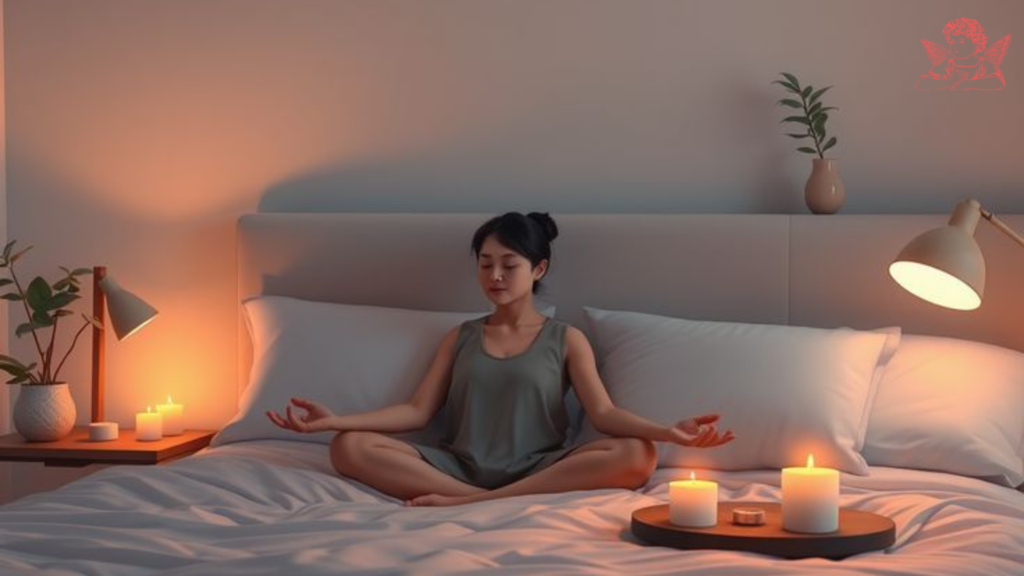
Choosing a comfortable position is essential. Whether lying down or sitting slightly elevated, the body should feel supported. Physical discomfort can distract from relaxation. Soft blankets, pillows, and a comfortable surface enhance the experience.
The environment also matters. A quiet, dimly lit space signals rest. Gentle sounds or silence both work, depending on personal preference. What matters most is consistency. Using the same space each night strengthens the association between meditation and sleep.
Guided meditation is especially helpful at night because it reduces mental effort. Listening to a calm voice allows the mind to rest rather than guide itself. Over time, the voice becomes a cue for relaxation, making it easier to settle even before the meditation begins.
It is also important to release expectations. Some nights will feel deeper than others. Some nights the mind will wander more. This is normal. Meditation is not about achieving a specific state, but about showing up with kindness. Each session supports sleep and relaxation in ways that may not be immediately noticeable.
Integrating nighttime energy cleansing and deep relaxation meditation into daily life creates cumulative benefits. Stress levels decrease. Emotional resilience increases. Sleep quality improves. These changes ripple into daytime experience, enhancing focus, mood, and overall wellbeing.
Over time, sleep guided meditation becomes more than a practice. It becomes a refuge. A place of safety and rest that is always available. No matter how busy or challenging life becomes, this nighttime ritual offers a return to balance and peace.
How Sleep Guided Meditation Reprograms the Nervous System for Restful Nights
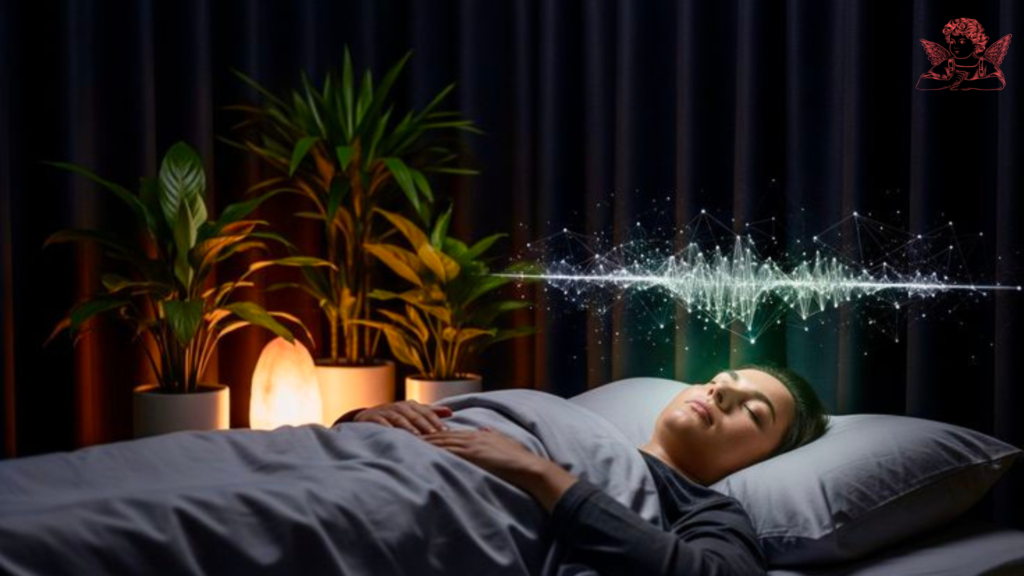
Sleep guided meditation works on a level far deeper than simple relaxation. Over time, it gently retrains the nervous system to recognize nighttime as a safe, predictable period of rest rather than a continuation of daytime alertness. Many sleep struggles are not caused by a lack of tiredness, but by a nervous system that has learned to stay switched on. Stress, deadlines, emotional overwhelm, and constant stimulation condition the body to remain vigilant even when lying in bed. Guided meditation at night slowly reverses this conditioning by creating repeated experiences of calm, safety, and release.
When you listen to a sleep guided meditation regularly, the brain begins to associate certain cues with rest. The tone of the voice, the pace of the words, the rhythm of the breathing, and even the silence between phrases become signals that it is time to let go. This process is known as neural association. The more consistently it is practiced, the faster the nervous system responds. What once took an hour of tossing and turning may begin to happen within minutes.
Deep relaxation meditation supports this reprogramming by activating the parasympathetic nervous system, which is responsible for rest, digestion, and repair. As this system becomes stronger, the stress response weakens. This does not mean stress disappears from life, but it means the body recovers more quickly. Nighttime becomes a true reset rather than a continuation of mental strain.
Nighttime energy cleansing enhances this effect by addressing subtle forms of tension that words alone cannot reach. Even when the mind feels calm, the body may still hold energetic residue from the day. Gentle visualization and breath based release techniques allow this stored tension to dissolve without effort. Over time, the body learns that it no longer needs to hold on once night arrives.
Sleep guided meditation reprograms rest in several important ways:
- It teaches the body that stillness is safe. Many people unconsciously associate stillness with vulnerability or loss of control. Guided meditation reassures the body through steady narration and gentle pacing, creating a felt sense of protection that allows muscles, breath, and awareness to soften naturally.
- It interrupts stress based thought loops. Nighttime anxiety often comes from repetitive thinking rather than real problems. Meditation gently redirects attention away from analysis and toward sensation, breath, or imagery, breaking cycles that would otherwise keep the mind awake.
- It restores trust in the body’s ability to sleep. Struggling with sleep often creates fear around bedtime. Sleep guided meditation removes pressure by focusing on relaxation rather than sleep itself. As sleep begins to happen naturally again, confidence is restored.
- It balances emotional processing. Emotions that are ignored during the day tend to surface at night. Guided nighttime practices provide a compassionate space for these emotions to soften and release, preventing them from turning into restlessness or insomnia.
- It strengthens circadian rhythm signals. Consistent nighttime meditation reinforces the natural rhythm between wakefulness and rest. The brain receives clearer cues that the day has ended, supporting healthier sleep cycles.
- It reduces physical tension stored in the body. Stress often lives in the jaw, shoulders, chest, and abdomen. Deep relaxation meditation systematically brings awareness to these areas, allowing them to release without force or effort.
- It clears energetic overload. Nighttime energy cleansing supports the release of subtle emotional and mental residue that does not always show up as physical tension but still interferes with sleep quality.
As these effects accumulate, sleep begins to change in noticeable ways. Falling asleep becomes easier. Nighttime awakenings become less frequent. Dreams feel calmer and more coherent. Mornings begin with a sense of restoration rather than exhaustion. These changes may appear gradually, but they are deeply rooted and long lasting.
Another important aspect of nervous system reprogramming is predictability. The nervous system thrives on patterns. When meditation becomes part of a nightly routine, the body learns what to expect. This predictability reduces unconscious vigilance. Even on stressful days, the body remembers that rest is coming.
Deep relaxation meditation also helps dissolve the belief that rest must be earned. Many people unconsciously feel they must finish everything, solve everything, or exhaust themselves before they are allowed to sleep. Meditation challenges this belief by offering rest unconditionally. This shift alone can dramatically improve sleep quality.
Over time, sleep guided meditation becomes less about technique and more about relationship. A relationship with rest. A relationship with safety. A relationship with the present moment. The nervous system begins to respond automatically, requiring less guidance and less effort.
When combined with nighttime energy cleansing, this practice becomes a full system reset rather than a surface level solution. It supports physical recovery, emotional balance, and energetic clarity all at once. This is why people who meditate at night often report not just better sleep, but a greater sense of stability and ease in daily life.
Ultimately, sleep guided meditation teaches the body something it may have forgotten how to do on its own. How to stop. How to soften. How to trust the dark as a place of renewal rather than worry. When this lesson is learned, sleep no longer feels fragile or elusive. It becomes a natural, reliable part of life again.
The Emotional and Energetic Layers of Nighttime Rest and Inner Safety
Nighttime rest is not only about physical recovery. It is also a deeply emotional and energetic experience shaped by how safe the body feels when consciousness begins to soften. For many people, the night becomes the only time emotions have space to surface. Without distractions, unexpressed feelings, unresolved experiences, and subtle emotional fatigue rise to awareness. Sleep guided meditation supports this vulnerable transition by creating a container of inner safety where the body, mind, and energy field can finally relax.
Emotional safety is essential for sleep. When the nervous system senses threat, even unconsciously, it resists letting go. This can manifest as shallow sleep, frequent awakenings, or difficulty falling asleep despite exhaustion. Guided meditation reassures the emotional body through gentle language, steady pacing, and predictable structure. Over time, this consistency teaches the system that nighttime is not a place of danger or uncertainty, but a time of protection and restoration.
Nighttime energy cleansing plays a quiet but powerful role in emotional regulation. Emotions are not only thoughts or feelings. They are energetic experiences that move through the body. When they are suppressed during the day, they remain active in the energy field. Guided nighttime practices allow these emotions to complete their natural cycle. Instead of being pushed away, they are acknowledged and released with softness and compassion.
Deep relaxation meditation creates the physiological conditions necessary for emotional release. As muscles soften and breathing slows, the body exits survival mode. In this state, emotions do not need to defend themselves. They can simply pass through. This is why people often feel a sense of relief or emotional lightness after nighttime meditation, even without consciously addressing specific issues.
Sleep guided meditation supports emotional and energetic balance in several subtle ways:
- It creates a sense of being accompanied. A calm guiding voice reduces feelings of loneliness or vulnerability that often arise at night. This sense of presence helps the body feel supported and less alert.
- It allows emotions to surface without overwhelm. Rather than suppressing feelings, meditation gives them space in a controlled, gentle environment, preventing emotional flooding.
- It softens emotional memory stored in the body. Certain emotions are held in specific areas such as the chest or throat. Guided awareness helps these areas release without force.
- It reduces fear associated with letting go. For some people, sleep feels like a loss of control. Meditation reframes surrender as safe and nourishing rather than threatening.
- It clears emotional residue from interpersonal interactions. Conversations, conflicts, and social dynamics leave energetic imprints. Nighttime energy cleansing helps dissolve these imprints before sleep.
- It restores a sense of internal boundaries. Meditation brings attention back to the self, reducing emotional entanglement with others and promoting inner stability.
- It supports emotional integration through dreams. When emotions are gently released before sleep, dreams tend to process them more smoothly, leading to more restful nights.
Inner safety is not created through logic. It is created through experience. Each time the body relaxes deeply without negative consequence, trust grows. Sleep guided meditation provides repeated experiences of safe surrender. Over time, the body no longer resists rest. It recognizes relaxation as familiar and beneficial.
Nighttime energy cleansing also supports energetic sovereignty. Throughout the day, energy flows outward through attention, communication, and responsibility. At night, this energy must return inward. Guided practices encourage this return by visualizing energy gathering back into the body, creating wholeness and completeness. This inward movement supports emotional clarity and reduces the sense of being drained.
Deep relaxation meditation also helps repair emotional exhaustion. Emotional labor, even when invisible, takes a toll on the nervous system. Meditation provides a space where nothing is required. There is no need to perform, respond, or solve. This absence of demand allows the emotional body to rest in a way that sleep alone may not always provide.
As emotional and energetic layers settle, sleep becomes more profound. The mind quiets not because it is forced, but because there is nothing left to hold. The body releases tension not because it is commanded, but because it feels safe enough to do so. This is the natural outcome of consistent nighttime meditation.
Over time, these practices change the relationship with night itself. Darkness becomes comforting rather than unsettling. Silence feels spacious rather than empty. Rest feels deserved rather than postponed. These shifts are subtle but transformative.
Sleep guided meditation, combined with nighttime energy cleansing and deep relaxation meditation, creates a holistic approach to rest that honors the full human experience. It recognizes that sleep is not only a physical function, but an emotional and energetic return to balance. When this balance is restored, rest becomes deep, healing, and naturally available night after night.

Surrendering Into Sleep Through Breath Awareness and Gentle Inner Guidance
The moment between wakefulness and sleep is delicate. It is a threshold where the mind loosens its grip and the body begins to sink into stillness. For many people, this transition feels uncomfortable or unfamiliar. Thoughts rush in, the breath becomes shallow, and the body resists letting go. Sleep guided meditation supports this fragile passage by anchoring awareness in the breath and offering gentle inner guidance that leads the system naturally toward rest rather than forcing it.
Breath is the most direct bridge between conscious control and unconscious relaxation. When attention rests on breathing, the nervous system receives a clear signal that it is safe to slow down. Guided nighttime practices often emphasize slow, steady breaths not as a technique to master, but as a rhythm to follow. This rhythm gradually carries the mind away from thinking and toward sensing, which is where sleep begins.
Deep relaxation meditation uses breath awareness to soften resistance in the body. Each inhale invites ease. Each exhale releases effort. There is no need to breathe deeply or perfectly. Simply allowing the breath to lengthen naturally is enough. Over time, this practice teaches the body that slowing down does not lead to danger or loss of control. It leads to comfort.
Nighttime energy cleansing often unfolds through the breath as well. The breath becomes a vehicle for release. With every exhale, emotional residue, mental clutter, and subtle energetic tension are allowed to drift away. With every inhale, calm, warmth, and steadiness return. This exchange restores balance without struggle.
Sleep guided meditation supports surrender through several key breath centered experiences:
- It shifts focus from thinking to feeling. When attention rests on breath sensations, the mind has less space to replay worries or plans.
- It naturally slows the heart rate. Longer, softer exhales activate the relaxation response and prepare the body for sleep.
- It dissolves unconscious holding patterns. Many people hold their breath without realizing it. Guided awareness gently restores flow.
- It builds trust in the body’s rhythm. Following the breath reminds the mind that the body already knows how to rest.
- It anchors awareness in the present moment. Breath exists only now, making it a powerful antidote to future oriented anxiety.
- It supports emotional release without analysis. Feelings soften and pass through when paired with steady breathing.
- It encourages energetic flow and balance. Breath moves energy through the body, preventing stagnation that interferes with rest.
Inner guidance within meditation acts as a companion during surrender. The voice does not instruct or demand. It reassures, reminds, and invites. This gentle guidance reduces the sense of aloneness that can make nighttime feel unsettling. Knowing that nothing needs to be done and nowhere needs to be reached allows the mind to rest.
For people who struggle with control, surrender can feel threatening. Deep relaxation meditation reframes surrender as a choice rather than a loss. You are not giving up awareness. You are allowing awareness to soften. This distinction is crucial. When surrender is framed as safety, the body responds with relaxation rather than resistance.
Nighttime energy cleansing also supports surrender by creating a sense of completion. Visualizations may involve closing the day, releasing unfinished tasks, or gently setting worries aside until morning. This symbolic closure reassures the mind that nothing important is being ignored. It will still be there if needed, but it does not need attention now.
As breath deepens and guidance continues, awareness begins to drift. Thoughts lose their structure. Sensations fade into the background. This is not something to monitor or control. Sleep guided meditation encourages allowing this drift without fear. Falling asleep during meditation is not failure. It is the intended outcome.
Over time, breath based meditation changes the relationship with sleep. Instead of battling wakefulness, the body learns to follow the breath into rest. Instead of fearing nighttime stillness, the mind finds comfort in it. This transformation does not happen overnight, but it unfolds naturally with consistency.
Deep relaxation meditation combined with breath awareness becomes a trusted pathway into sleep. Even on nights when sleep does not come immediately, the body still benefits from the rest and regulation provided by the practice. This removes pressure and restores confidence.
Nighttime becomes less about effort and more about permission. Permission to slow down. Permission to stop holding everything together. Permission to rest without justification. Sleep guided meditation offers this permission night after night, until surrender feels familiar and safe.
When surrender is learned through breath and gentle guidance, sleep no longer feels distant or fragile. It becomes a natural continuation of relaxation. The body follows. The mind quiets. Energy settles. And rest arrives in its own time, just as it always has when given the space to do so.
Conclusion: Rest as a Sacred Practice
Sleep is not a luxury. It is a biological and emotional necessity. In a world that often glorifies productivity over rest, choosing to prioritize sleep is an act of self respect. Sleep guided meditation transforms rest from a passive event into an intentional practice of care.
Nighttime energy cleansing allows the weight of the day to fall away, creating space for renewal. Deep relaxation meditation restores the nervous system, supporting healing on every level. Together, these practices create a powerful foundation for restful nights and balanced days.
As you return to these practices night after night, you may notice subtle changes. Sleep becomes deeper. Mornings feel lighter. Emotional reactions soften. Life feels more manageable. These shifts are not dramatic, but they are profound.
In the stillness of the night, guided meditation offers more than sleep. It offers reconnection. Reconnection with the body’s wisdom, the mind’s capacity for peace, and the natural rhythm of rest and renewal. This is the true gift of nighttime meditation.
Watch: Related Video
Frequently Asked Questions

📚 Sources & References
- Meditation and Mindfulness – NIH / NCCIH
- Meditation for Anxiety – Verywell Mind
- The Science of Meditation – Greater Good Magazine
- Meditation Benefits – Healthline
- Energy Medicine – NIH / NCCIH
- Complementary Health Approaches – NIH / NCCIH
- Mind-Body Practices – NIH / NCCIH
- Sleep and Mental Health – Harvard Health
- Sleep Disorders – NIH / NIMH
- Healthy Sleep – NIH / MedlinePlus