Nature-Based Guided Meditations: Forest, Ocean & Mountain Journeys
Nature has always been humanity’s oldest teacher. Long before modern therapy, mindfulness apps, or structured wellness programs existed, people turned to forests, oceans, and mountains to find clarity, healing, and inner peace. In today’s fast-paced, screen-dominated world, the longing to reconnect with nature has only grown stronger. This is where nature guided meditation becomes not just a wellness practice, but a deeply restorative journey back to ourselves.
Nature-based guided meditations invite us to slow down, breathe deeply, and listen to the wisdom of the natural world. They gently guide the mind away from stress, mental noise, and emotional fatigue, leading it instead toward grounding, calm, and self-awareness. Whether it is the gentle hush of a forest, the rhythmic movement of ocean waves, or the quiet strength of mountains, each natural setting offers a unique pathway to healing and transformation.
This comprehensive guide explores how nature guided meditation works, why it is so powerful, and how forest bathing meditation, ocean meditation, and mountain meditation can be practiced for emotional balance, mental clarity, and spiritual growth. This is not a quick overview, but a deep and immersive exploration meant to help you truly understand and experience the healing potential of nature-based meditation journeys.
Understanding Nature Guided Meditation
Nature guided meditation is a mindfulness practice that uses natural environments, either physically or through visualization, as the foundation for meditation. Unlike traditional meditation that may focus solely on breath or silence, this practice encourages engagement with natural imagery, sounds, sensations, and rhythms.
At its core, nature guided meditation works by aligning the nervous system with the calming patterns found in nature. The human brain responds positively to natural elements. Studies have shown that exposure to natural settings reduces cortisol levels, lowers blood pressure, and improves mood. Guided meditation amplifies these benefits by providing gentle direction, helping the mind remain present instead of drifting into distraction.
This practice can be done outdoors in real natural settings or indoors through vivid guided imagery. What matters most is the intentional connection with nature and the willingness to experience it with awareness and openness.
Nature guided meditation is particularly effective for people who find silent meditation difficult. The imagery of leaves swaying, waves rolling, or mountain winds moving across stone gives the mind something soothing to rest upon. This creates a bridge between thought and stillness, making meditation more accessible and deeply nourishing.

Why Nature Is a Powerful Healer
Nature does not rush. It does not judge. It does not demand productivity or perfection. These qualities alone make it an ideal partner for healing and reflection. When practicing nature guided meditation, the nervous system begins to mirror the steady and balanced rhythms found in the natural world.
Forests teach patience and interconnectedness. Oceans teach surrender and emotional flow. Mountains teach strength, stability, and perspective. Each environment offers lessons that go beyond relaxation and into personal growth and emotional resilience.
Modern life often disconnects people from these rhythms. Artificial light, constant notifications, and chronic stress keep the body in a heightened state of alert. Nature guided meditation gently reverses this pattern, guiding the body into a parasympathetic state where healing, digestion, creativity, and emotional regulation can occur.
This is why nature-based meditation is increasingly recommended for anxiety, burnout, emotional exhaustion, and even trauma recovery. It provides a sense of safety and grounding that many people struggle to find elsewhere.
The Science Behind Nature Guided Meditation
While nature guided meditation has ancient roots, modern science now supports what intuition has long known. Research in psychology and neuroscience has shown that exposure to natural environments activates brain regions associated with empathy, emotional regulation, and calm focus.
Visualizing nature during meditation stimulates similar neural pathways as physically being in nature. The brain does not sharply distinguish between real and vividly imagined experiences. This means that guided imagery of forests, oceans, or mountains can still trigger relaxation responses in the body.
Heart rate variability improves, breathing becomes slower and deeper, and muscle tension releases naturally. Over time, regular practice of nature guided meditation can lead to improved sleep, better concentration, and a more balanced emotional state.
These effects become even more pronounced when meditation is practiced consistently and with intention. Nature-based meditation is not about escaping reality, but about returning to a more grounded and centered version of yourself.
Forest Bathing Meditation and the Wisdom of Trees
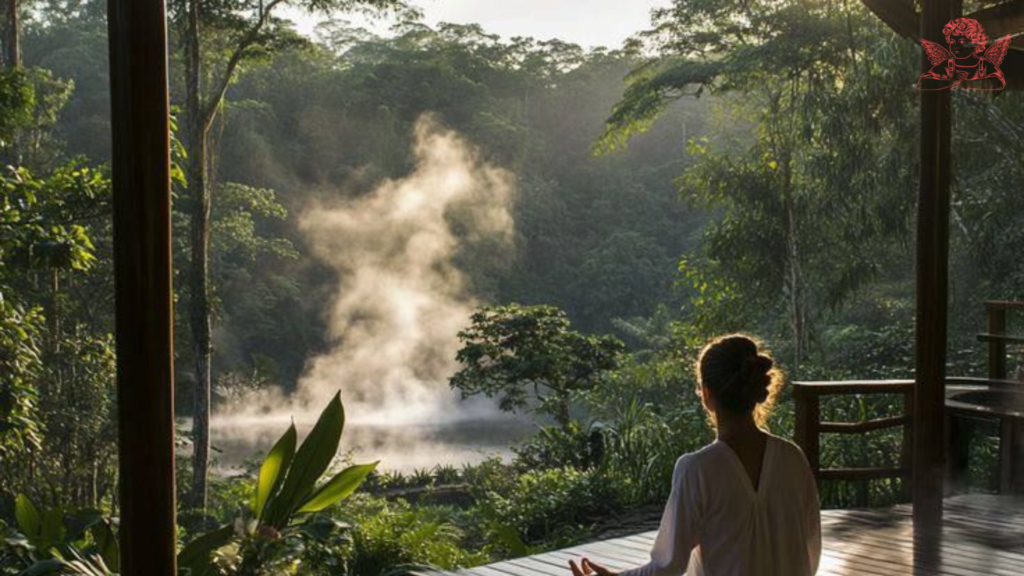
Forest bathing meditation, inspired by the Japanese practice of Shinrin-yoku, is one of the most powerful forms of nature guided meditation. It involves immersing the senses in the forest environment, allowing its sights, sounds, and scents to gently wash over you.
In a forest bathing meditation, the focus is not on reaching a goal or achieving a certain state. Instead, it is about presence and connection. Trees release natural compounds known as phytoncides, which have been shown to boost immune function and reduce stress. Even imagining a forest environment during meditation can evoke feelings of safety and renewal.
As you begin a forest bathing meditation, the mind is guided to notice the feeling of the ground beneath your feet, the filtered light through leaves, and the subtle movement of air. The breath naturally slows, syncing with the quiet rhythm of the forest.
Forests symbolize growth, patience, and interdependence. Practicing forest bathing meditation regularly can help you feel more rooted, emotionally stable, and connected to the world around you. It is especially beneficial for those experiencing mental overload or emotional fragmentation.

Emotional Healing Through Forest Bathing Meditation
One of the most profound aspects of forest bathing meditation is its ability to support emotional healing. The forest environment creates a sense of safety, which allows suppressed emotions to surface gently without overwhelming the practitioner.
As you meditate within or visualize a forest, you may notice emotions arising naturally. This is not something to resist. Forest bathing meditation teaches acceptance, reminding us that just as leaves fall and grow again, emotions are temporary and part of a natural cycle.
This practice is particularly effective for releasing grief, stress, and emotional fatigue. The steady presence of trees offers a sense of companionship without judgment. Over time, practitioners often report feeling more emotionally balanced and resilient.
Forest bathing meditation also strengthens self-awareness. As the mind quiets, insights emerge naturally, often bringing clarity to situations that previously felt confusing or overwhelming.
Ocean Meditation and the Power of Flow
Ocean meditation is another deeply transformative form of nature guided meditation. The ocean represents vastness, emotional depth, and continuous movement. Its rhythmic waves mirror the natural rhythm of breath, making it an ideal focus for meditation.
In ocean meditation, the mind is guided to synchronize breathing with the imagined sound and movement of waves. Inhalation rises like a wave approaching the shore. Exhalation falls away like water retreating back into the sea. This rhythm creates a powerful calming effect on the nervous system.
Ocean meditation is especially effective for emotional release. The ocean holds space for both calm and turbulence, teaching acceptance of all emotional states. During meditation, emotions may surface and dissolve naturally, just as waves form and fade without effort.
This practice is ideal for those dealing with emotional overwhelm, anxiety, or creative blocks. The vastness of the ocean reminds the mind that no single thought or feeling defines the whole of who we are.
Letting Go Through Ocean Meditation
One of the central lessons of ocean meditation is the art of letting go. Waves do not cling to the shore. They arrive, fulfill their purpose, and return to the sea. This imagery is incredibly powerful for releasing attachment to thoughts, worries, and past experiences.
During ocean meditation, practitioners are often guided to imagine placing emotional burdens into the waves and watching them dissolve into the water. This visualization helps the mind release what no longer serves it.
Over time, ocean meditation can help cultivate emotional flexibility and resilience. Instead of resisting difficult feelings, practitioners learn to move with them, trusting that they will pass.
This form of nature guided meditation also enhances creativity and intuition. Many people find that insights arise effortlessly after ocean meditation, as the mind becomes more open and expansive.
Mountain Meditation and Inner Stability
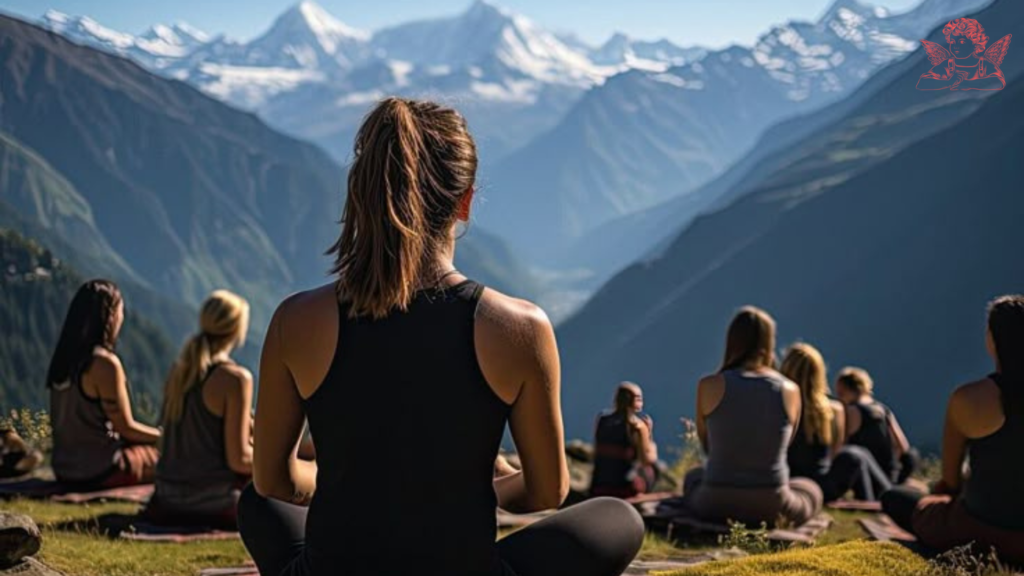
Mountain meditation draws upon the symbolism of mountains as ancient, steady, and unshakable. In this form of nature guided meditation, the practitioner visualizes becoming like a mountain, grounded and present despite changing conditions.
Life often brings storms in the form of stress, conflict, and uncertainty. Mountain meditation teaches us how to remain centered through these experiences. By identifying with the mountain, the practitioner cultivates inner strength and emotional stability.
During mountain meditation, attention is guided to the sensation of weight and grounding. The breath becomes slow and deep, anchoring awareness in the body. Thoughts may arise, but they are observed from a place of steadiness rather than reactivity.
This practice is especially helpful for those who feel easily overwhelmed or emotionally reactive. Mountain meditation builds a sense of inner refuge that can be accessed even in challenging situations.
How Nature Guided Meditation Reconnects You With Inner Stillness and Clarity
In a world filled with constant stimulation, true stillness has become rare. Notifications, responsibilities, and mental multitasking keep the mind in near-continuous motion. Nature guided meditation gently restores access to inner stillness, not by forcing silence, but by guiding awareness into environments where stillness already exists. Through forests, oceans, and mountains, the mind learns to rest again in clarity rather than noise.
Inner stillness is not the absence of thought. It is the ability to remain centered even as thoughts arise and pass. Nature guided meditation cultivates this state by providing the mind with expansive, grounding imagery that naturally slows mental activity. When awareness settles into the quiet presence of a forest or the steady horizon of the sea, thinking softens without effort.
Forest bathing meditation is especially effective for rediscovering stillness because forests embody quiet continuity. Trees grow slowly, anchored deeply in the earth, unaffected by urgency. As attention rests on imagined forest paths, textured bark, and filtered sunlight, the nervous system mirrors this unhurried pace. Mental chatter gradually fades into the background, creating space for calm awareness to emerge.
Ocean meditation offers a different expression of stillness. While the ocean is constantly moving, it holds an underlying vastness that remains unchanged. This teaches an important lesson about clarity. Beneath emotional waves and surface activity, there is a deeper, quieter awareness. As breath aligns with the rhythm of waves, thoughts lose their urgency. The mind begins to recognize that clarity is not something to create, but something to uncover.
Mountain meditation strengthens stillness through presence and stability. Mountains symbolize unmoving awareness amid change. By visualizing oneself as a mountain, attention shifts from external turbulence to internal steadiness. Thoughts, emotions, and sensations may continue to arise, but they no longer pull awareness away from its center. This form of nature guided meditation is especially helpful for decision-making and mental focus.
Clarity naturally follows stillness. When the mind is no longer crowded by constant stimulation, insight arises spontaneously. Nature guided meditation creates the mental space needed for intuition to surface. Many practitioners notice that answers to long-standing questions appear effortlessly during or after meditation, not through analysis, but through quiet understanding.
This clarity is not limited to abstract insight. It also enhances practical awareness. Emotions become easier to identify, priorities feel clearer, and choices align more closely with personal values. Nature guided meditation refines perception, helping individuals distinguish between mental noise and genuine inner guidance.
Another important aspect of this practice is its ability to dissolve mental exhaustion. Constant thinking drains energy and dulls awareness. By resting attention in nature-based imagery, the mind enters a restorative state similar to deep rest. This renewal allows clarity to emerge without strain.
Over time, the stillness cultivated through nature guided meditation becomes accessible beyond formal practice. Moments of quiet awareness may appear spontaneously during daily activities. Walking, breathing, or observing surroundings can evoke the same calm presence experienced in meditation. This integration transforms stillness from a practice into a way of being.
Nature guided meditation also reshapes the relationship with silence. Instead of feeling uncomfortable or empty, silence becomes nourishing and alive. It is experienced as a space of potential rather than absence. This shift supports emotional balance and mental resilience.
Ultimately, reconnecting with inner stillness and clarity through nature guided meditation is an act of remembering. The mind does not need to be fixed or controlled. It needs space to settle. Nature provides that space effortlessly. Through forests, oceans, and mountains, stillness reveals itself as a natural state, always present beneath the surface of thought, waiting to be noticed again.
Building Resilience With Mountain Meditation
Mountain meditation is deeply connected to resilience. Mountains endure seasons, storms, and time itself, yet remain rooted. This imagery helps practitioners reframe challenges as temporary experiences rather than defining realities.
As you practice mountain meditation regularly, you may notice increased confidence and emotional strength. Situations that once felt destabilizing may become easier to navigate with calm awareness.
This form of nature guided meditation also encourages perspective. From the mountain’s view, small worries appear less overwhelming. This shift in perception can be life-changing, especially for those dealing with chronic stress or decision fatigue.
Mountain meditation reminds us that stillness is not weakness, but a source of immense power.
Choosing the Right Nature Guided Meditation for You
Each form of nature guided meditation offers unique benefits. Forest bathing meditation is grounding and nurturing. Ocean meditation is cleansing and emotionally expansive. Mountain meditation is stabilizing and empowering.
The right practice often depends on your current emotional and mental state. When feeling scattered or disconnected, forest bathing meditation can help you feel rooted again. When emotions feel heavy or stagnant, ocean meditation encourages release and flow. When facing challenges or uncertainty, mountain meditation provides strength and clarity.
Many practitioners rotate between these meditations, allowing different aspects of nature to support them at different times. Over time, this creates a balanced and holistic meditation practice.
Creating a Personal Nature Guided Meditation Practice
Building a consistent nature guided meditation practice does not require elaborate rituals or perfect conditions. What matters most is intention and regularity. Even ten to twenty minutes a day can have profound effects over time.
Choose a quiet space where you feel comfortable. If possible, practice outdoors. If not, guided imagery works just as effectively. Begin by setting a clear intention, such as relaxation, emotional release, or clarity.
Allow the guidance to unfold naturally. There is no need to force visualization or suppress thoughts. Nature guided meditation is about gentle awareness and openness.
With regular practice, you may find that your connection to nature deepens, even outside of meditation. Everyday experiences may feel richer and more meaningful as your awareness expands.
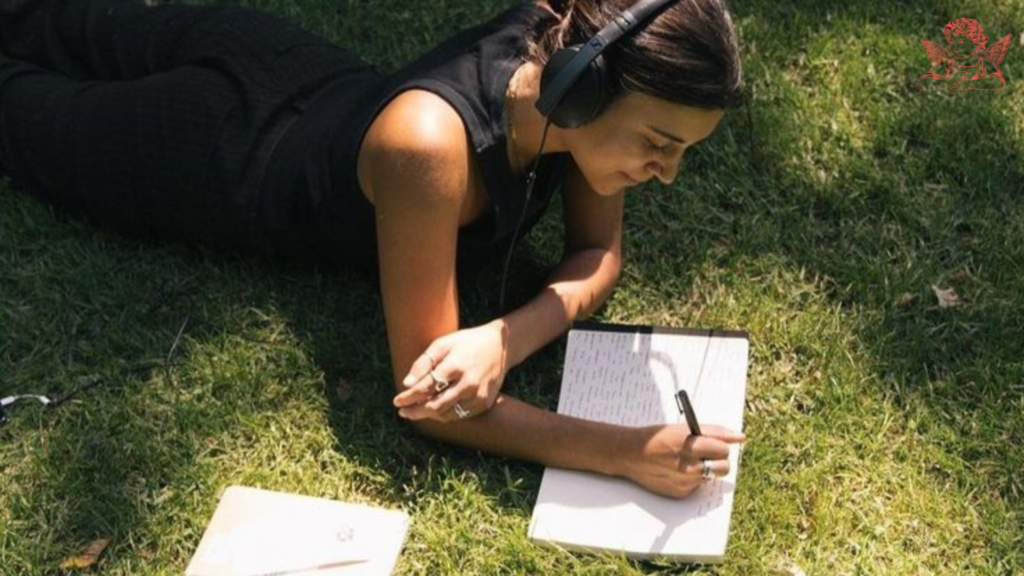
The Role of Nature Guided Meditation in Emotional Balance and Stress Recovery
Emotional imbalance and chronic stress have become almost normalized in modern life. Constant deadlines, digital overload, and emotional pressures leave the nervous system in a persistent state of tension. Nature guided meditation offers a restorative counterbalance by guiding the mind and body back into harmony with natural rhythms. Rather than forcing relaxation, it allows balance to emerge organically through connection with forests, oceans, and mountains.
Stress often begins as a mental experience but quickly manifests in the body. Tight shoulders, shallow breathing, restlessness, and fatigue are common signs of an overstimulated nervous system. Nature guided meditation addresses this mind-body loop by engaging awareness in environments that the human nervous system instinctively recognizes as safe. Even when practiced through visualization, natural imagery signals the body to relax, lowering stress hormones and easing muscular tension.
Forest bathing meditation is particularly effective for stress recovery because of its grounding qualities. Forest environments encourage slower movement, deeper breathing, and gentle sensory engagement. During meditation, attention may rest on the imagined feeling of walking along a forest path or sitting beneath a canopy of trees. This imagery slows mental pace and brings the body out of fight-or-flight mode. Emotional stress begins to soften as the mind synchronizes with the calm, steady presence of the forest.
Ocean meditation works on stress at an emotional level by allowing feelings to move freely rather than becoming trapped. Stress often accumulates when emotions are suppressed or ignored. The ocean’s rhythm teaches emotional permission. Waves rise and fall without resistance, and this natural movement becomes a powerful metaphor for emotional balance. As the breath aligns with wave patterns, emotional tension loosens, creating space for relief and clarity.
Mountain meditation supports stress recovery by cultivating inner strength and stability. Stress can make life feel chaotic and unpredictable. Visualizing the steady presence of a mountain helps anchor awareness in something unchanging. This practice reinforces the understanding that while external circumstances may shift, inner steadiness can remain intact. Over time, this builds emotional resilience and reduces the intensity of stress responses.
Nature guided meditation also helps regulate emotional extremes. When emotions swing between overwhelm and numbness, reconnecting with nature-based imagery brings awareness back into balance. Forests provide comfort, oceans offer release, and mountains offer perspective. Together, these experiences guide the emotional system toward equilibrium rather than suppression.
Another powerful aspect of nature guided meditation is its ability to create emotional safety. Many people carry unresolved stress because their nervous system does not feel safe enough to relax. Nature, both real and imagined, provides a sense of containment without pressure. There is no demand to perform, explain, or fix anything. This sense of safety allows the body to enter a state of deep rest where emotional healing can naturally occur.
As emotional balance improves, mental clarity often follows. Stress clouds perception and narrows focus, making problems feel larger than they are. Nature guided meditation widens awareness, helping practitioners see situations with greater objectivity and compassion. Decisions become less reactive and more intentional.
With regular practice, emotional recovery becomes faster and more intuitive. Instead of remaining stuck in stress cycles, the mind learns to recognize tension early and return to balance through mindful breathing and visualization. Nature guided meditation becomes a reliable internal refuge, accessible anytime stress arises.
Ultimately, this practice teaches that emotional balance is not about eliminating stress, but about developing a healthy relationship with it. Nature does not resist storms; it adapts and restores itself afterward. By aligning with these rhythms, nature guided meditation helps individuals navigate stress with greater ease, strength, and emotional wisdom.
Long-Term Benefits of Nature Guided Meditation
The benefits of nature guided meditation extend far beyond the meditation session itself. Over time, practitioners often report improved emotional regulation, enhanced creativity, better sleep, and a greater sense of purpose.
This practice fosters a deeper connection to both inner and outer environments. It encourages mindfulness in daily life, making it easier to remain present and grounded amidst challenges.
Nature guided meditation also nurtures compassion, both for oneself and others. As awareness deepens, so does the understanding that we are part of a larger, interconnected whole.
Integrating Nature Guided Meditation Into Daily Life
Nature guided meditation does not need to remain confined to formal practice. Simple moments of awareness throughout the day can reinforce its effects. Noticing the sky, feeling the breeze, or listening to birds can become mini meditations that ground the mind.
These small practices help bridge the gap between meditation and everyday living. Over time, life itself begins to feel more meditative, more intentional, and more aligned.
By honoring nature as a teacher and ally, you cultivate a sense of belonging that modern life often overlooks.
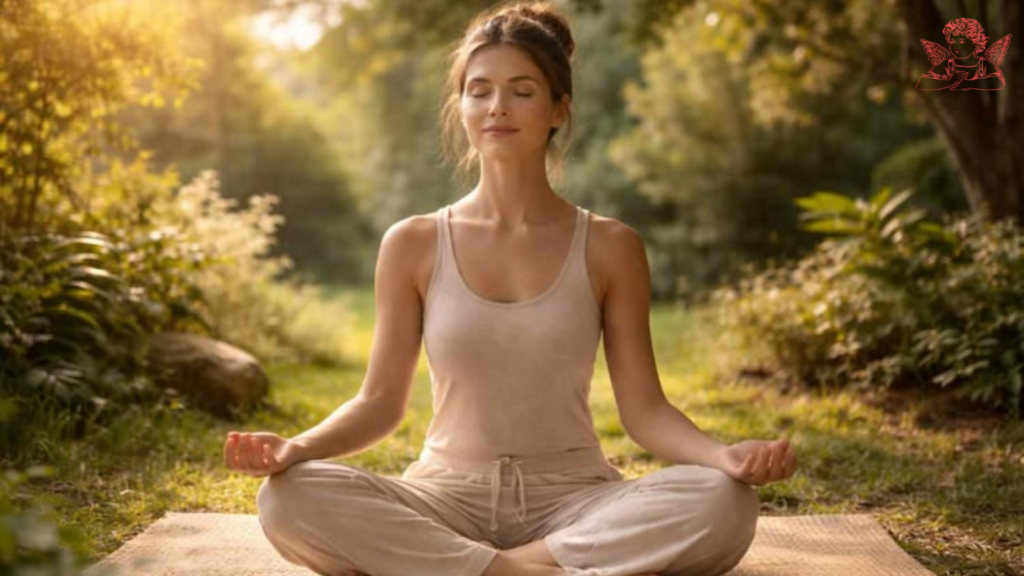
How Nature Guided Meditation Deepens Mindfulness and Self-Awareness
Nature guided meditation does more than relax the body or quiet the mind. At a deeper level, it reshapes how we experience awareness itself. Unlike goal-oriented practices that focus on achieving calm or clearing thoughts, nature guided meditation gently trains the mind to observe, feel, and remain present without force. This shift has a profound impact on mindfulness and self-awareness, making the practice transformative rather than merely soothing.
Mindfulness is often described as the ability to stay fully present with what is happening right now. In everyday life, this presence is frequently disrupted by mental noise, emotional reactivity, and constant stimulation. Nature guided meditation offers a natural doorway back into awareness by anchoring attention in environments that feel safe, familiar, and alive. The rustling of forest leaves, the steady rhythm of ocean waves, or the silent strength of mountains gives the mind something organic and grounding to rest upon.
As awareness settles into nature-based imagery or surroundings, self-awareness naturally deepens. Thoughts are no longer something to battle or suppress. Instead, they are observed as passing experiences, much like clouds drifting across the sky or waves rising and falling in the sea. This observation builds emotional intelligence, helping practitioners recognize patterns in their thinking and feeling without judgment.
Forest bathing meditation is particularly powerful for cultivating mindfulness because it engages all the senses. As attention moves to the texture of bark, the scent of earth, or the play of light through leaves, awareness becomes embodied rather than purely mental. This sensory immersion quiets overthinking and brings attention into the present moment effortlessly. Over time, this practice helps individuals recognize how often the mind pulls away from the now and gently trains it to return.
Ocean meditation enhances self-awareness by working directly with emotional states. Emotions are often fluid and difficult to grasp, much like the sea itself. By visualizing emotions as waves rather than fixed identities, practitioners learn to observe feelings without becoming overwhelmed by them. This creates emotional clarity and reduces reactivity. Instead of being swept away by emotions, one learns to ride them with awareness and acceptance.
Mountain meditation, on the other hand, strengthens mindful observation from a place of stability. As the practitioner visualizes the unchanging presence of a mountain, awareness becomes anchored in stillness. Thoughts and sensations continue to arise, but they are viewed from a steady internal vantage point. This perspective teaches that awareness itself is not disturbed by the changing contents of the mind. This realization is a cornerstone of deep self-awareness.
Nature guided meditation also encourages a compassionate relationship with oneself. Many people approach mindfulness with self-criticism, believing they are doing it wrong if the mind wanders. Nature-based meditation reframes this entirely. Nature does not resist change, nor does it judge movement. Leaves fall, tides shift, weather transforms. In the same way, the wandering mind becomes something natural rather than problematic. This attitude fosters kindness and patience toward one’s inner experience.
Over time, this gentle awareness begins to extend beyond meditation sessions. Practitioners may notice greater presence during conversations, improved focus at work, and a heightened sensitivity to their emotional needs. Moments of stress become cues for mindful breathing rather than automatic reaction. This is where nature guided meditation truly integrates into daily life.
Perhaps the most profound impact of nature guided meditation on self-awareness is the recognition of interconnectedness. As awareness expands beyond the individual mind and into the rhythms of nature, the sense of separation softens. One begins to feel part of a larger living system rather than isolated within personal struggles. This perspective brings humility, gratitude, and a deeper sense of meaning.
In this way, nature guided meditation is not simply a practice but a way of relating to life. It teaches mindfulness not as a technique to master, but as a natural state to remember. Through forests, oceans, and mountains, awareness returns to its most authentic form, present, open, and deeply alive.
Spiritual Connection and Inner Growth Through Nature Guided Meditation
Beyond relaxation and emotional balance, nature guided meditation opens a doorway to spiritual connection and inner growth. Spirituality in this context does not require belief systems or rituals. It refers to the felt sense of connection to something larger than individual thought patterns. Nature has always been a bridge to this awareness, and guided meditation strengthens that bridge by inviting conscious participation.
Nature guided meditation naturally shifts attention away from self-centered thinking toward a broader field of awareness. As the mind settles into forest stillness, ocean vastness, or mountain presence, the boundaries of identity begin to soften. Thoughts, roles, and labels lose their dominance, making space for a deeper sense of being. This is often experienced as peace, openness, or quiet awe.
Forest bathing meditation nurtures spiritual growth through intimacy and belonging. Forests create a sense of being held rather than observed. During meditation, awareness may rest on the interconnectedness of roots, soil, insects, and trees. This imagery dissolves feelings of isolation and fosters a sense of unity. Inner growth begins when the individual no longer feels separate from life, but part of its continuous unfolding.
Ocean meditation supports spiritual expansion through surrender and trust. The ocean represents forces far greater than personal control. As awareness moves with the tides, the practice teaches acceptance of uncertainty. Spiritual growth often requires releasing the need to control outcomes. Ocean meditation gently trains the mind to let go, replacing resistance with trust in natural rhythms.
Mountain meditation contributes to spiritual maturity by cultivating presence and humility. Mountains exist beyond personal concerns, witnessing centuries of change without attachment. By visualizing oneself as a mountain, awareness shifts from personal drama to timeless presence. This perspective brings profound inner growth, helping practitioners recognize that they are more than passing thoughts or emotional states.
Nature guided meditation also deepens intuition. As mental noise quiets, subtle inner signals become easier to recognize. Decisions feel less forced and more aligned. This intuitive clarity often feels spiritual because it arises from beyond rational analysis. Nature-based meditation strengthens this connection by training awareness to listen rather than dominate.
Another spiritual aspect of nature guided meditation is reverence. Spending time in nature-based awareness cultivates gratitude without effort. The simple act of breathing with the forest or flowing with ocean waves naturally awakens appreciation for life. This gratitude is not intellectual but embodied, creating a sense of sacredness in ordinary moments.
Inner growth through nature guided meditation is gradual and organic. Just as nature grows without hurry, spiritual development unfolds at its own pace. There is no pressure to reach enlightenment or achieve special states. The practice encourages patience and trust in the process. This attitude itself is a sign of maturity.
Over time, practitioners may notice shifts in values and priorities. Material concerns lose urgency, while meaningful connection and authenticity gain importance. Nature guided meditation gently realigns the inner compass, guiding individuals toward lives that feel more purposeful and grounded.
This form of meditation also nurtures compassion. As awareness expands beyond the self, empathy for others deepens naturally. Recognizing shared rhythms of life reduces judgment and increases understanding. Compassion becomes less of an effort and more of a natural response.
Ultimately, spiritual connection through nature guided meditation is not about reaching something new, but about remembering something ancient. Humans evolved within forests, beside oceans, and among mountains. These environments speak to a part of awareness older than language. By returning to them through guided meditation, inner growth unfolds as a return to wholeness, simplicity, and quiet wisdom.
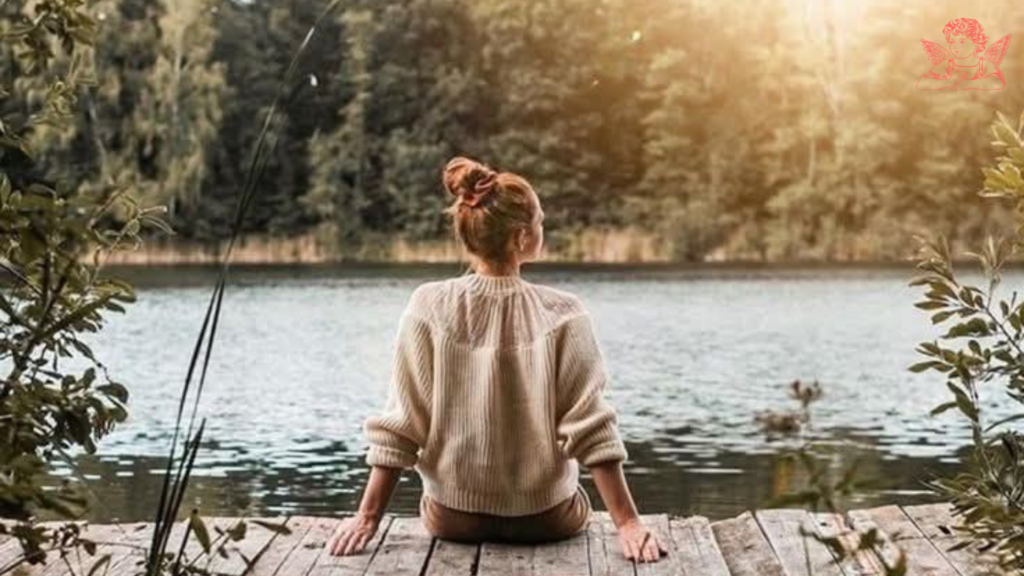
Final Reflections on Nature-Based Meditation Journeys
Nature guided meditation is not about escaping life, but about learning how to live it more fully. Forest bathing meditation teaches us to slow down and root ourselves in the present moment. Ocean meditation reminds us to flow with emotions and release what no longer serves us. Mountain meditation shows us how to remain steady and resilient in the face of change.
Together, these nature-based practices offer a holistic approach to healing, growth, and self-discovery. They reconnect us with ancient wisdom that still holds profound relevance today.
In a world that constantly demands more, nature guided meditation gently invites us to return to what is essential. Breath. Awareness. Connection. Stillness. Strength. Flow.
By embracing forest, ocean, and mountain journeys, we rediscover not only the healing power of nature, but also the quiet wisdom that has always lived within us.
Watch: Related Video
Frequently Asked Questions

📚 Sources & References
- Meditation: A Simple, Fast Way to Reduce Stress – Mayo Clinic
- Meditation and Mindfulness – NIH / NCCIH
- Benefits of Guided Meditation – Healthline
- Meditation for Anxiety – Verywell Mind
- The Science of Meditation – Greater Good Magazine
- Meditation Benefits – Healthline
- Mental Health – WHO
- Mental Health Topics – NIH / NIMH
- Wellness Basics – Mayo Clinic
- Mind-Body Practices – NIH / NCCIH