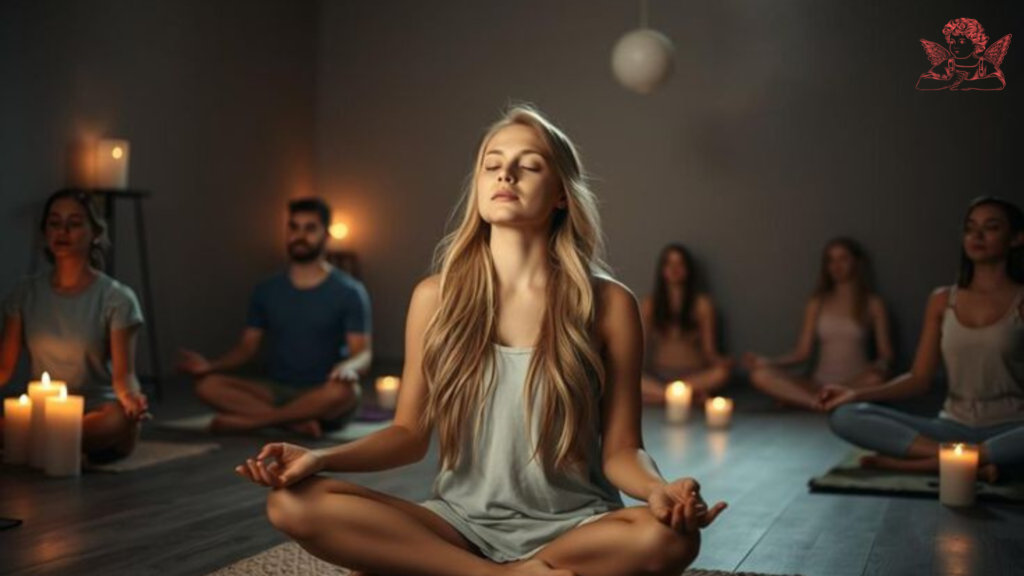
The Ultimate Guide to Energy Healing Practices for Emotional Balance
In today’s fast-moving world, emotional balance often feels like a distant goal rather than a natural state. Stress, unresolved emotions, and constant mental stimulation can quietly drain our energy, leaving us overwhelmed, anxious, or disconnected from ourselves. Energy healing practices offer a gentle and holistic way to restore inner harmony by working with the body’s natural energy systems. Instead of suppressing emotions or forcing change, these practices focus on awareness, release, and realignment.

Energy healing is not about instant fixes or dramatic transformations. It is a gradual process of reconnecting with your emotional rhythms and understanding how feelings are stored within the body. From ancient traditions to modern holistic approaches, energy-based practices have been used for centuries to support emotional clarity, resilience, and calm. They help you slow down, listen inwardly, and respond to life with greater balance rather than reaction.
Whether you are navigating emotional burnout, relationship challenges, or simply seeking deeper self-awareness, energy healing can become a supportive companion. This guide explores practical and accessible emotional energy healing methods that can be integrated into daily life, helping you cultivate emotional stability, inner peace, and a stronger connection with your authentic self.


Understanding Energy and Emotional Health
Energy and emotional health are deeply interconnected, even though this connection is often overlooked in modern lifestyles. Every thought, feeling, and reaction we experience carries an energetic imprint within the body. When emotions flow freely and are acknowledged, our energy remains balanced. However, when emotions are suppressed, ignored, or prolonged, they can create energetic disturbances that affect both mental clarity and physical wellbeing.
Emotional energy moves constantly through the body. Feelings such as joy, gratitude, and calm tend to support smooth energy flow, while emotions like fear, anger, grief, or resentment can slow it down or create areas of stagnation. These energetic blocks do not appear overnight. They develop gradually through repeated emotional patterns, unresolved experiences, or long-term stress. Over time, this imbalance may show up as emotional fatigue, mood swings, lack of motivation, or a sense of inner heaviness without a clear reason.
Understanding energy health begins with recognizing that the body is not just a physical structure but also an energetic system. Many ancient holistic healing techniques and traditions describe subtle energy channels through which life force flows. When these channels are clear, emotional responses feel proportionate and manageable. When they are blocked, emotions may feel overwhelming or confusing. This is why certain emotional triggers seem disproportionate to the situation at hand. The reaction is often rooted in stored emotional energy rather than the present moment.
Emotional health is not about staying positive all the time. It is about allowing emotions to arise, move through the body, and release naturally. When emotions are judged or resisted, the energy associated with them tends to stay trapped. For example, unexpressed grief may settle as tightness in the chest, while prolonged stress can manifest as heaviness in the stomach or shoulders. These sensations are signals from the body that emotional energy needs attention.
Awareness plays a central role in maintaining energetic balance. Simply noticing how emotions feel in the body can begin the healing process. When you pause and observe sensations without labeling them as good or bad, the energy starts to shift on its own. This awareness creates space between the emotion and your identity, reducing emotional overwhelm. Over time, this practice builds emotional resilience and self-regulation.
Energy and emotions are also influenced by external environments. Crowded spaces, constant digital exposure, and emotionally charged interactions can affect your energetic state without you realizing it. This is why you may feel drained after certain conversations or energized after spending time in nature. Emotional wellness improves when you become mindful of what and who you allow into your energetic field. Setting boundaries is not only an emotional practice but also an energetic one.
Another important aspect of energy and emotional health is the connection between the mind and the energy body. Repetitive negative thought patterns can reinforce emotional imbalances by continuously activating the same energetic pathways. Over time, this creates habitual emotional responses such as chronic anxiety or irritability. When awareness is brought to these patterns, energy healing practices can help interrupt the cycle and restore balance.
The body naturally seeks equilibrium. When given the right support, it knows how to release emotional energy and return to balance. Practices such as conscious breathing, grounding, gentle movement, and mindful rest encourage this natural process. These methods do not force change but create a safe internal environment for emotions to surface and dissolve.
Understanding energy and emotional health empowers you to take responsibility for your inner state without self-blame. Emotional challenges are not signs of weakness but indicators of energetic imbalance asking for care and attention. By learning to listen to your body and honor your emotional experiences, you develop a deeper sense of self-awareness and inner stability. Over time, this understanding allows you to respond to life with greater clarity, calm, and emotional balance rather than reaction.
How Emotions Affect the Body’s Energy Flow
Emotions are not just mental experiences; they are energetic events that move through the body. Every emotion carries a specific vibration that influences how energy flows within us. When emotions are experienced fully and released naturally, energy remains fluid and balanced. However, when emotions are suppressed, denied, or repeatedly triggered without resolution, they can disrupt the body’s energy flow and create internal imbalance.
Positive emotions such as love, gratitude, joy, and contentment tend to expand the energy field. They create a sense of openness in the body, allowing energy to circulate smoothly. This is why you may feel lighter, more relaxed, or mentally clear during moments of emotional ease. In contrast, intense or unresolved emotions like fear, anger, shame, or sadness often cause contraction. The body responds by tightening muscles, restricting breath, and narrowing awareness, which slows or blocks energy movement.
Different emotions are commonly associated with different areas of the body. Fear often affects the lower body, creating a sense of instability or restlessness. Anger may concentrate in the chest, jaw, or shoulders, leading to tension and heat. Grief frequently settles around the heart and throat, causing heaviness or difficulty expressing feelings. These physical sensations are not random; they reflect how emotional energy is being held rather than flowing freely.
When emotional energy becomes stagnant, it can influence both mental and physical wellbeing. Persistent stress may weaken the energy system, leaving you feeling exhausted even after rest. Emotional suppression can lead to numbness or disconnection, while emotional overload may result in anxiety or overwhelm. Over time, these imbalances may manifest as recurring discomfort, low motivation, or a constant sense of being on edge.
Breath plays a crucial role in how emotions affect energy flow. Shallow or restricted breathing often accompanies emotional tension, limiting the movement of energy throughout the body. When you allow the breath to deepen and soften, energy naturally begins to circulate again. This is why conscious breathing can quickly shift emotional states and create a sense of relief.
Awareness is key to restoring balance. By noticing where emotions are felt in the body, you begin to understand how your energy responds to different emotional experiences. This awareness allows emotions to move rather than remain trapped. Gentle practices such as body scanning, grounding, and mindful movement support the release of stored emotional energy.
Understanding how emotions affect the body’s energy flow helps you respond to emotional challenges with compassion rather than resistance. Instead of pushing emotions away, you learn to listen to what they are communicating. With time and practice, this approach encourages emotional clarity, energetic balance, and a deeper sense of inner stability.

Chakra Healing for Emotional Stability
Chakra healing focuses on balancing the body’s energy centres to support emotional stability and inner harmony. Each chakra is linked to specific emotional patterns, and when these centres are balanced, emotions flow more smoothly and feel easier to manage. Emotional instability often arises when one or more chakras become blocked or overactive due to stress, unresolved experiences, or prolonged emotional pressure.
The root chakra, located at the base of the spine, is connected to feelings of safety and security. When it is imbalanced, fear, anxiety, or emotional insecurity may surface. Gentle grounding practices help stabilise this energy. The sacral chakra governs emotions, pleasure, and creativity. Emotional numbness or overwhelm can indicate imbalance here, often caused by suppressed feelings or lack of emotional expression.
The solar plexus chakra influences confidence and self-worth. When blocked, emotions such as shame, frustration, or self-doubt may dominate. A balanced solar plexus supports emotional resilience and clear boundaries. The heart chakra is central to emotional balance, governing love, compassion, and connection. Emotional pain, grief, or difficulty trusting others often reflects imbalance in this centre.
Upper chakras also play an important role. The throat chakra supports emotional expression and honesty. When blocked, emotions may remain unspoken and stored within the body. The third eye chakra influences emotional insight and clarity, while the crown chakra supports emotional acceptance and inner peace.
How Chakra Healing Supports Emotional Stability
- Helps emotions move through the body instead of becoming stuck
- Encourages self-awareness and emotional understanding
- Reduces emotional reactivity and overwhelm
- Supports calm decision-making and emotional clarity
Simple Chakra Healing Practices
- Focused breathing while bringing awareness to a specific chakra
- Gentle affirmations aligned with emotional needs
- Visualising balanced energy flow through each chakra
- Mindful movement or stillness to release emotional tension
With regular chakra healing, emotional responses become more balanced and less reactive. Instead of feeling controlled by emotions, you develop a calmer, more grounded relationship with them, supporting long-term emotional stability and inner peace.

The Role of Breathwork in Energy Balance
Breathwork is one of the most powerful and accessible tools for restoring energy balance and emotional harmony. The breath acts as a bridge between the conscious and unconscious mind, directly influencing the body’s energy flow. Unlike many healing practices that require tools or long preparation, breathwork is always available and responds instantly to your emotional and energetic state. When breathing is shallow, rushed, or restricted, energy movement slows down. When the breath becomes deep and steady, energy naturally begins to flow more freely.
From an energetic perspective, breath carries life force through the body. Every inhale draws fresh energy inward, while every exhale releases tension, emotional residue, and stagnant energy. During stress or emotional distress, breathing patterns often become irregular without awareness. This disrupts the natural rhythm of energy flow, creating imbalance. Breathwork restores this rhythm by bringing awareness back to the present moment and supporting the body’s innate self-regulation.
Breathwork plays a significant role in emotional processing. Emotions that are suppressed often restrict the breath, especially around the chest and diaphragm. Over time, this can create energetic tightness and emotional numbness. Conscious breathing gently loosens these restrictions, allowing emotions to surface and release safely. This is why breath-focused practices can sometimes bring emotional clarity or unexpected emotional release.
Different breathing styles influence energy in different ways. Slow, deep breathing calms the nervous system and grounds scattered energy. Rhythmic breathing can energise the body and clear emotional stagnation. Balanced breathing supports emotional stability by aligning the body, mind, and energy system. The goal is not to control emotions but to create space for them to move naturally.
Breath awareness also strengthens the connection between the mind and the body’s energy centres. When breath is directed with intention, it can support energy flow through areas that feel tense, heavy, or emotionally charged. Over time, this builds sensitivity to subtle energetic shifts and enhances emotional awareness. This awareness helps you recognise imbalance early, before it becomes overwhelming.
How Breathwork Supports Energy Balance
- Encourages smooth circulation of energy throughout the body
- Helps release stored emotional tension gently
- Calms an overactive nervous system
- Restores emotional clarity and mental focus
- Supports grounding during emotionally intense moments
Breathwork is particularly effective during emotional transitions. When you feel anxious, overwhelmed, or disconnected, returning to the breath creates immediate stability. The breath anchors awareness in the body, reducing mental noise and emotional reactivity. With regular practice, this anchoring effect becomes more natural and long-lasting.
Another key aspect of breathwork is its role in developing emotional resilience. Instead of avoiding uncomfortable emotions, breathwork teaches you how to stay present with them. By breathing into discomfort rather than resisting it, energy begins to shift and soften. This process builds trust in your ability to navigate emotional experiences without becoming overwhelmed.
Simple Breathwork Practices for Daily Balance
- Slow breathing with equal inhale and exhale
- Gentle belly breathing to support grounding
- Pausing briefly after exhale to release tension
- Noticing breath patterns during emotional reactions
Consistency is more important than duration when it comes to breathwork. Even a few minutes of conscious breathing each day can significantly improve energy balance over time. Breathwork does not force healing; it creates the conditions for balance to return naturally. As awareness deepens, the breath becomes a trusted guide for emotional regulation and energetic harmony.
By integrating breathwork into daily life, you develop a deeper relationship with your internal rhythms. Energy flows more freely, emotions feel less overwhelming, and inner balance becomes easier to maintain. Breathwork reminds you that healing and balance are not external goals but natural states you can return to with every conscious breath.

Grounding Techniques to Release Emotional Overload
Emotional overload occurs when feelings build up faster than the body and mind can process them. Stress, constant mental stimulation, unresolved emotions, and lack of rest can all contribute to this state. When emotional energy becomes excessive or scattered, it often pulls awareness away from the body and into the mind. Grounding techniques gently bring that awareness back, helping release excess emotional energy and restore a sense of stability and calm.
Grounding is the practice of reconnecting with the present moment through the body and the physical world. When emotions feel overwhelming, the nervous system is usually overstimulated. Grounding supports the body’s natural ability to self-regulate by slowing mental activity and directing energy downward. This creates a sense of safety, which is essential for emotional release. Without grounding, emotions may continue to loop without resolution.
One of the most effective grounding techniques is conscious connection with the body. Emotional overload often creates a sense of disconnection, where thoughts race and physical sensations are ignored. Bringing attention to simple bodily sensations helps anchor awareness. Feeling your feet on the floor, noticing the weight of your body, or observing your breath moving through the abdomen can immediately reduce emotional intensity. These sensations remind the nervous system that it is safe to slow down.
Nature-based grounding is another powerful method. Natural environments have a stabilising effect on emotional energy. Walking barefoot on natural surfaces, sitting under a tree, or simply spending quiet time outdoors can help release built-up emotional tension. The body naturally synchronises with the steady rhythms of nature, allowing scattered energy to settle. Even brief contact with natural elements can create noticeable emotional relief.
Movement-based grounding helps discharge emotional energy stored in the body. When emotions are not expressed, they often remain held as tension. Gentle physical movement allows this energy to release without force. Slow walking, stretching, or mindful movement helps bring awareness into the muscles and joints. This physical engagement supports emotional processing by giving energy a safe outlet.
Breath-focused grounding also plays an important role in releasing emotional overload. Shallow breathing keeps emotional energy trapped in the upper body, particularly the chest and head. Deep, slow breathing that emphasises the lower abdomen encourages energy to move downward. This shift creates a calming effect and supports emotional release. Simply allowing the breath to deepen without control can gradually restore balance.
Sensory grounding engages the five senses to bring awareness into the present moment. Emotional overload often disconnects you from sensory experience, keeping attention locked in thoughts and emotions. Actively noticing textures, sounds, scents, or visual details helps redirect energy away from overwhelm. This technique is especially useful during moments of heightened emotional intensity.
Common Sensory Grounding Practices
- Holding a warm or cool object and noticing its temperature
- Listening to steady, calming sounds
- Observing colours and shapes in your surroundings
- Engaging the sense of smell with natural scents
Emotional grounding also involves creating boundaries. Emotional overload is often linked to absorbing the emotions or expectations of others. Learning to pause, step back, and reconnect with your own body helps distinguish between what is yours and what is external. This clarity reduces emotional fatigue and prevents further energy depletion.
Grounding is not about suppressing emotions. It creates a stable foundation where emotions can be felt without becoming overwhelming. When the body feels safe and supported, emotional energy can move through and release naturally. This process may feel subtle, but over time it significantly improves emotional regulation and resilience.
Simple Daily Grounding Techniques
- Begin the day with a few moments of body awareness
- Take short grounding pauses during emotionally demanding tasks
- End the day with gentle movement or stillness
- Spend intentional time away from digital stimulation
Consistency is key when working with grounding practices. Regular grounding strengthens the body’s ability to process emotions efficiently, reducing the likelihood of overload. Instead of reacting to emotions, you learn to respond with awareness and presence.
Grounding techniques remind you that emotional balance begins in the body. By reconnecting with physical sensations and the present moment, emotional energy is given space to settle and release. Over time, grounding becomes a natural response to emotional intensity, supporting calm, clarity, and inner stability even during challenging periods.

Crystal Healing and Emotional Support
Crystal healing is a gentle and supportive practice that works with natural stones to bring emotional balance and inner calm. Each crystal carries a unique energetic vibration shaped over thousands of years within the earth. When used with intention, these vibrations can interact with the body’s energy field, helping to soothe emotional stress, stabilise moods, and encourage emotional clarity. Crystal healing does not replace emotional processing but supports it by creating a calm and balanced energetic environment.
Emotional challenges often create energetic disturbances that feel heavy, scattered, or overwhelming. Crystals are believed to help regulate this imbalance by offering steady, grounding, or uplifting energy, depending on the stone. Their presence alone can encourage mindfulness and emotional awareness, helping you pause and reconnect with yourself. This pause is often where emotional healing begins.
Different crystals are associated with different emotional needs. Grounding stones are commonly used when emotions feel intense or destabilising, while softer stones support emotional comfort and self-compassion. Working with crystals is less about forcing change and more about allowing emotional energy to settle naturally.
Common Crystals for Emotional Support
- Rose quartz for emotional healing, self-love, and comfort
- Amethyst for calming anxiety and emotional overwhelm
- Black tourmaline for grounding and emotional protection
- Moonstone for emotional balance and inner reflection
- Citrine for uplifting mood and emotional confidence
Crystals can be used in simple, everyday ways. Holding a crystal during moments of emotional stress can create a sense of stability. Placing stones near areas where you rest or work supports a calmer emotional environment. Some people use crystals during meditation or quiet reflection to deepen emotional awareness and release tension.
The intention you bring to crystal healing plays a key role. When you consciously focus on emotional balance while using a crystal, your awareness aligns with the stone’s energy. This combination supports emotional clarity and gentle release. Without intention, crystals may still offer subtle support, but conscious engagement deepens the experience.
Crystal healing also supports emotional boundaries. When you are emotionally sensitive or exposed to emotionally demanding environments, grounding stones can help you feel more centred and less affected by external energy. This does not block emotions but helps you remain present without absorbing unnecessary emotional stress.
Ways to Use Crystals for Emotional Support
- Carrying a small crystal during emotionally intense days
- Placing crystals near the heart or lower body during rest
- Using crystals alongside breathwork or grounding practices
- Creating a small personal space with supportive stones
Consistency is more important than quantity when working with crystals. Regular use helps build emotional awareness and stability over time. Crystals act as gentle reminders to slow down, check in with your feelings, and care for your emotional wellbeing.
Crystal healing is most effective when combined with self-reflection and emotional honesty. It encourages you to listen to your emotions rather than suppress them. Over time, this practice can help you develop a more compassionate relationship with your emotional experiences, supporting long-term emotional balance, calm, and inner strength.
Energy Cleansing Practices for Daily Life
Throughout the day, your energy field is constantly interacting with people, environments, and emotional situations. Stressful conversations, crowded spaces, prolonged screen time, and emotional reactions can leave energetic residue that builds up quietly. Over time, this accumulation may lead to fatigue, emotional heaviness, irritability, or a sense of feeling off without a clear reason. Daily energy cleansing practices help release this buildup and restore balance before it turns into emotional or physical strain.
Energy cleansing is not about removing negative energy in a dramatic sense. It is about gently resetting your energetic state so emotions and thoughts do not linger longer than necessary. Just as you shower to cleanse the physical body, energetic cleansing supports emotional clarity and mental freshness. Simple, consistent practices are often more effective than occasional intense methods.
One of the most accessible cleansing practices is breath awareness. Conscious breathing helps move stagnant energy out of the body and invites fresh energy in. Slow exhales are particularly effective for releasing emotional residue. Taking a few moments throughout the day to breathe deeply can immediately lighten your emotional state and bring awareness back to the present moment.
Movement is another natural way to cleanse energy. Emotional tension often becomes stored in the body as tightness or restlessness. Gentle movement allows this energy to release without effort. Stretching, walking, or shaking out the body helps energy flow freely again. Even brief movement breaks during busy days can prevent emotional buildup.
Sound can also be used for energetic cleansing. Soft music, chanting, or even moments of silence can shift emotional energy. Sound vibrations influence the nervous system and help reset emotional tone. Choosing sounds that feel calming or uplifting supports emotional balance and mental clarity.
Simple Daily Energy Cleansing Practices
- Deep breathing with focus on slow, complete exhales
- Gentle stretching or mindful movement
- Short pauses away from screens and mental stimulation
- Listening to calming sounds or sitting in silence
Water-based practices are especially effective for energy cleansing. Water has a naturally soothing and balancing quality. Washing your hands with awareness, taking a mindful shower, or even sipping water slowly can help release emotional tension. Imagining emotional heaviness being washed away supports the cleansing effect.
Creating energetic boundaries is an important part of daily cleansing. Without boundaries, emotional energy from others can easily accumulate. Taking moments to check in with yourself and reset your focus helps protect your emotional space. This can be as simple as stepping outside for fresh air or placing attention back into the body after emotionally charged interactions.
Evening cleansing rituals are particularly helpful for emotional wellbeing. The day often leaves behind unresolved feelings and mental noise. Gentle evening practices help release the day’s energy before rest. This supports better sleep and emotional recovery.
Evening Energy Reset Ideas
- Quiet breathing or stillness before bed
- Light stretching to release stored tension
- Reflecting on the day without judgment
- Creating a calm, uncluttered resting space
Energy cleansing becomes most effective when it is approached with awareness rather than effort. It is not about controlling emotions but allowing them to move and settle naturally. When practiced regularly, energy cleansing helps you feel lighter, more centred, and emotionally clear throughout the day.
By integrating simple energy cleansing practices into daily life, you support emotional balance and prevent overload. These small moments of care build resilience over time, allowing you to move through daily experiences with greater ease, clarity, and inner calm.

Intuition and Emotional Awareness in Energy Work
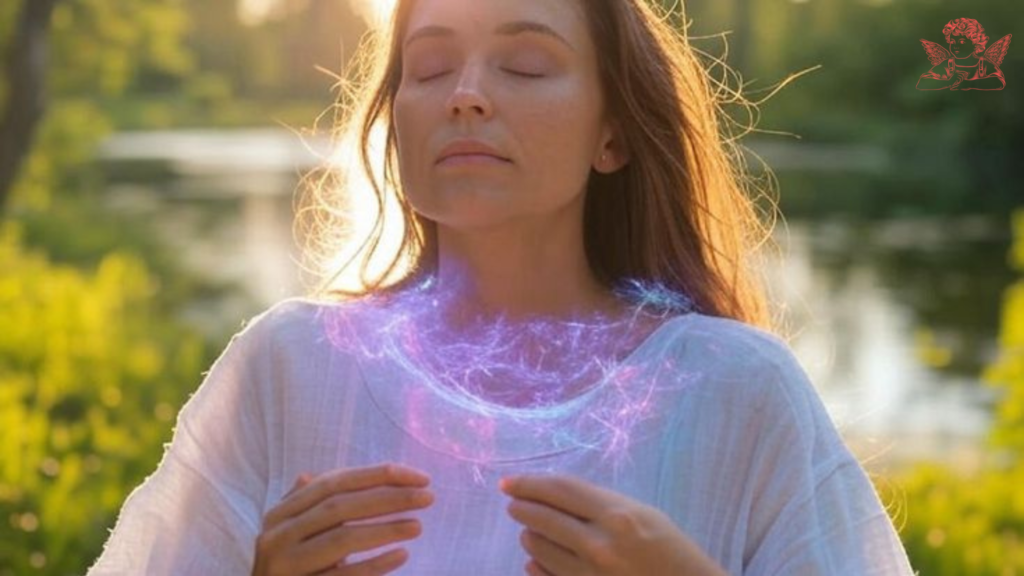
Intuition and emotional awareness are closely linked within energy work. Intuition is often described as a quiet inner knowing, while emotional awareness is the ability to recognise and understand what you are feeling in the present moment. Together, they form a powerful foundation for energy work, helping you sense imbalances before they become overwhelming and guiding you toward gentle, supportive responses rather than reactive ones.
In energy work, intuition is not something mysterious or reserved for a few people. It is a natural ability that becomes clearer when the mind slows down and the body feels safe. Emotional awareness strengthens intuition by creating space for subtle signals to be noticed. When emotions are ignored or pushed away, intuitive messages are often drowned out by mental noise. When emotions are acknowledged, intuition becomes easier to access.
Emotions carry valuable information about your energetic state. Feelings of heaviness, restlessness, or unease often signal energetic imbalance, while feelings of calm, expansion, or warmth suggest alignment. Intuition helps you interpret these sensations without overthinking them. Instead of analysing why you feel a certain way, intuition guides you toward what you need in that moment, such as rest, grounding, movement, or emotional expression.
Developing emotional awareness in energy work involves learning how emotions show up in the body. Tightness in the chest, tension in the jaw, or heaviness in the stomach are common ways emotional energy communicates. By noticing these sensations with curiosity rather than judgment, you allow emotional energy to move. This awareness prevents emotions from becoming stuck and supports ongoing energetic balance.
Intuition often communicates through subtle bodily cues. You may feel drawn toward certain practices, environments, or supportive tools without a logical explanation. In energy work, trusting these feelings helps you respond to your emotional needs more accurately. Over time, this trust deepens your connection with yourself and reduces emotional confusion.
Ways Intuition Supports Energy Work
- Helps identify emotional imbalance early
- Guides you toward suitable healing practices
- Encourages self-trust and emotional clarity
- Reduces reliance on overthinking and analysis
Cultivating intuition requires stillness and consistency. Practices such as quiet breathing, body scanning, and mindful reflection help quiet external distractions. As emotional awareness grows, intuition becomes more refined and reliable. You begin to sense when to slow down, when to release, and when to take action.
Emotional awareness also strengthens energetic boundaries. When you are tuned into your emotions, it becomes easier to distinguish between your feelings and the emotional energy of others. This clarity prevents emotional overload and supports balanced interactions. You learn to respond with compassion without absorbing unnecessary emotional stress.
Simple Practices to Strengthen Intuition and Emotional Awareness
- Pausing regularly to notice emotional and physical sensations
- Listening to initial inner responses before mental analysis
- Journaling emotional patterns and intuitive impressions
- Spending quiet time without external stimulation
Intuition and emotional awareness are not about perfection or constant clarity. They develop gradually through presence and honesty. Energy work that includes these elements becomes more effective because it is guided from within rather than imposed from outside.
By deepening intuition and emotional awareness, energy work transforms into a supportive dialogue with your inner world. This connection allows emotional energy to flow with ease, supports balanced decision-making, and nurtures a steady sense of inner trust and emotional stability in daily life.
Conclusion
Energy healing is a deeply personal journey that invites patience, compassion, and self-trust. As you explore these practices, you may notice subtle shifts before major changes appear. Emotional balance is not about eliminating difficult feelings but learning how to move through them with awareness and grace. By making energy healing a regular part of your life, you create space for emotional clarity, inner strength, and lasting calm. Over time, these practices can help you feel more centered, present, and aligned with who you truly are.
Energy healing is not about reaching a permanent state of calm or emotional perfection. It is about learning how to return to balance again and again as life unfolds. Emotions are meant to move, change, and communicate, and energy healing practices create the space for this natural flow to happen without resistance or overwhelm. Through grounding, breathwork, chakra awareness, intuition, and daily energy cleansing, you begin to understand your emotional patterns at a deeper level.
As these practices become part of your routine, emotional balance starts to feel less fragile. You may notice that challenges no longer consume as much energy, and emotional recovery happens more quickly. Instead of reacting automatically, you develop the ability to pause, listen inwardly, and respond with clarity. This shift supports not only emotional wellbeing but also healthier relationships, better focus, and a stronger sense of self-trust.
Energy healing is a personal journey that evolves over time. There is no right pace or perfect method, only what feels supportive and sustainable for you. By honouring your emotional experiences and caring for your energy consistently, you create a steady foundation for inner peace. Ultimately, energy healing invites you to live with greater awareness, balance, and compassion for yourself and others.
Watch: Related Video
Frequently Asked Questions

✦ Related Articles You May Love
- Heart Chakra Healing For Self Love
- Aromatherapy Blends For Chakra Energy Healing
- The Power Of Silence How To Reclaim Stillness In A Noisy Overstimulated World
- Book List For Divine Feminine Awakening
- Interviews With Past Life Regression Authors
- Recommended Books For Emotional Detox
- Memoirs Of Spiritual Rebirth Journeys
- Books On Healing Mother Wound Trauma
- Poetry Based Meditation Reading
- Chakra Energy Habits For Daily Life
- Inner Alignment With Chakra Affirmations
- Signs Your Sacral Chakra Is Over Nurturing
- Crown Chakra Healing For Spiritual Downloads
- Relationship Wounds And Heart Chakra Blocks
- Understanding Past Life Chakra Imprints
- Chakra Breath Cycles For Inner Peace
- Healing Music Frequencies For Each Chakra
- Foods That Support Each Chakra
- Chakra Journaling For Emotional Clarity
- Spiritual Awakening Memoirs That Inspire Change
- How Soulful Storytelling Supports Emotional Resilience
- Readers Journey Transformation Through Spiritual Fiction
- Mystical Poetry That Evokes Healing And Hope 2
- Mystical Poetry That Evokes Healing And Hope
- Reflective Prompts From Sacred Indigenous Texts
- Soulful Bedtime Stories To Ease Worry 2
- Soulful Bedtime Stories To Ease Worry
- Journaling Prompts For Intuitive Dream Recall
- Interview With Energy Healer On Ancestral Healing
- Book List Gentle Spiritual Reads For Beginners
- Gratitude And Energy Expansion Guided Meditation
- Journey For Forgiveness And Self Compassion
- Nighttime Guided Cleansing For Busy Minds
- Sound Journey With Binaural Beats For Chakra Flow
- Inner Child Healing Guided Journey Script
- Guided Walk Meditation For Mindful Mornings
- Visualization Journey To Meet Your Spirit Animal
- Herbal Tea Rituals For Chakra Balance
- Healing Altar Ideas For Small Apartments
- Tapping Eft On Solar Plexus To Reduce Stress
- Visualisation With Colours For Anxiety Relief
- Simple Self Reiki Sequence After A Busy Day
- Ritual Bath Before Bed For Cleansing
- Yoga For The Sacral Chakra After A Creative Block
- Mystical Poetry That Ignites Spiritual Healing Readings
- True Soul Stories Of Transformation Through Meditation
- Yoga Flows To Balance The Throat And The Third Eye
- Crystal Suggestions For Heart Chakra Compassion
- Sound Healing At Home With Singing Bowls
- Aromatherapy Blends For Sacral Chakra Opening