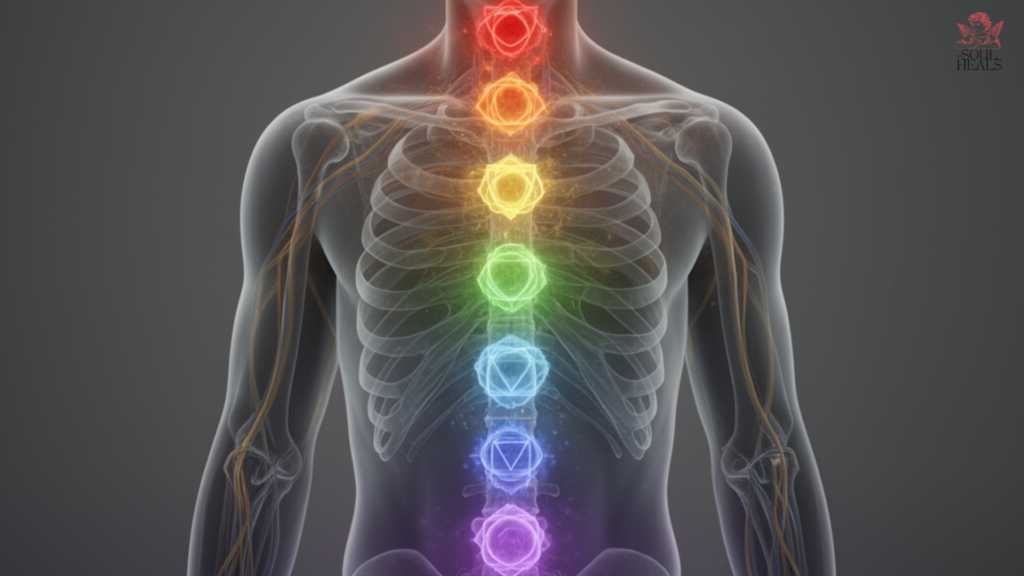
Chakras are energy centers within the body that influence our physical health, emotional stability, mental clarity, and spiritual growth. When these energy centers function in harmony, we feel balanced, grounded, and aligned with life. However, stress, emotional trauma, unhealthy habits, and unresolved experiences can disrupt this flow, leading to noticeable chakra imbalance symptoms. These imbalances may appear as physical discomfort, emotional distress, mental confusion, or a persistent feeling of being “out of sync” with yourself.
A chakra can become blocked, preventing energy from flowing freely, overactive, where energy is excessive and overwhelming, or underactive, meaning the chakra lacks sufficient energy to function properly. Each type of imbalance affects the body and mind differently. For example, a blocked chakra may cause stagnation and fatigue, while an overactive chakra can lead to anxiety, restlessness, or emotional intensity. Underactive chakras often manifest as low motivation, insecurity, or emotional numbness.
Understanding chakra imbalance symptoms is the first step toward healing and self-awareness. By recognizing the signs early, you can take gentle, intentional steps – such as meditation, breathwork, lifestyle changes, and mindful practices – to restore balance and well-being. This blog will guide you through the key signs, causes, and patterns of chakra imbalances to help you reconnect with your inner energy system.
What Are Chakras and Why Balance Matters
Chakras are energy centers within the human body that regulate the flow of life force energy, often referred to as prana. Rooted in ancient Indian spiritual and healing traditions, chakras act as bridges between the physical body, the mind, and emotional awareness. There are seven primary chakras aligned along the spine, from the base of the spine to the crown of the head. Each chakra governs specific physical organs, emotional patterns, mental states, and aspects of consciousness.
When chakras are open and balanced, energy flows smoothly through the body, supporting overall health and inner harmony. However, when this flow is disrupted, chakra imbalance symptoms may arise, affecting both physical and emotional well-being.
Understanding the Role of Chakras
Each chakra functions like an energetic control center, influencing how we experience life. They are not physical organs but subtle energy points connected to the nervous system, endocrine glands, and emotional memory.
The seven main chakras include:
- Root Chakra (Muladhara): Safety, survival, grounding, and stability
- Sacral Chakra (Svadhisthana): Emotions, creativity, pleasure, and relationships
- Solar Plexus Chakra (Manipura): Confidence, self-worth, and personal power
- Heart Chakra (Anahata): Love, compassion, forgiveness, and connection
- Throat Chakra (Vishuddha): Communication, truth, and self-expression
- Third Eye Chakra (Ajna): Intuition, insight, and clarity
- Crown Chakra (Sahasrara): Spiritual connection and higher awareness
Each chakra plays a unique role, but they function as a unified system. When one chakra is out of balance, it can affect others, creating a chain reaction throughout the body and mind.
Why Chakra Balance Matters
Chakra balance is essential because energy flow directly influences how we think, feel, and function daily. Balanced chakras allow energy to move freely, supporting physical vitality and emotional resilience.
When chakras are balanced, you may experience:
- A sense of inner peace and emotional stability
- Improved physical health and energy levels
- Clear thinking and better decision-making
- Stronger relationships and healthier boundaries
- Alignment between thoughts, emotions, and actions
In contrast, imbalanced chakras disrupt this harmony, leading to chakra imbalance symptoms that may show up in subtle or obvious ways.
Effects of Chakra Imbalances on Daily Life
Chakra imbalances can develop due to stress, trauma, negative beliefs, unhealthy habits, or prolonged emotional suppression. Over time, these imbalances can manifest in different areas of life.
Common effects include:
- Persistent fatigue or lack of motivation
- Emotional overwhelm, anxiety, or numbness
- Repeating negative patterns in relationships
- Difficulty expressing needs or emotions
- Feeling disconnected from purpose or meaning
These experiences are not random; they often reflect deeper energetic imbalances that need attention.
Blocked, Overactive, and Underactive Chakras
Chakra imbalances generally fall into three categories:
- Blocked chakras: Energy flow is restricted, causing stagnation
- Overactive chakras: Energy is excessive, leading to overwhelm
- Underactive chakras: Energy is insufficient, resulting in weakness or suppression
Each imbalance creates distinct chakra imbalance symptoms, which vary depending on the chakra involved.
The Importance of Awareness Before Healing
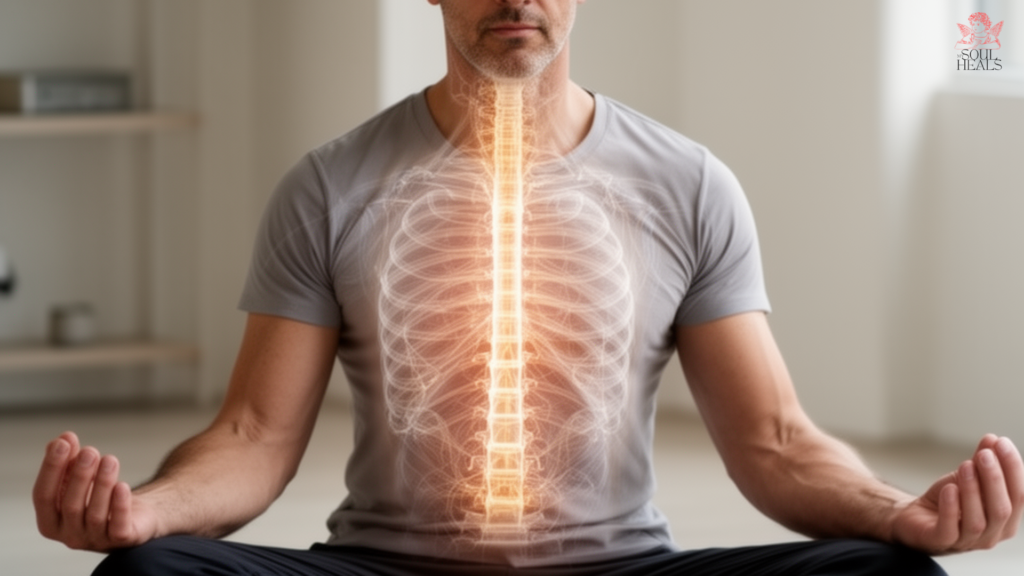
Understanding what chakras are and why balance matters is the foundation of effective healing. Awareness allows you to observe patterns without judgment and respond with compassion rather than force.
Benefits of chakra awareness include:
- Early recognition of imbalance symptoms
- Better emotional regulation and self-control
- Intentional lifestyle and healing choices
- Deeper connection to self and intuition
Chakra balance is not about perfection – it is about alignment, awareness, and gentle self-care. When energy flows freely, you feel more present, empowered, and connected to your true self.
Understanding Chakra Imbalance Symptoms
Chakra imbalance symptoms are the signals your body and mind use to communicate that your energy system is out of alignment. Chakras influence physical health, emotional responses, mental clarity, and spiritual awareness. When energy flows smoothly through these centres, you feel stable, focused, and emotionally balanced. However, stress, unresolved emotions, trauma, and unhealthy patterns can disrupt this flow, leading to noticeable blocked chakra signs of imbalance.
These symptoms often appear long before serious physical or emotional issues develop. Learning to recognize chakra imbalance symptoms early allows you to respond with awareness and gentle correction rather than ignoring the deeper cause.
How Chakra Imbalances Develop
Chakra imbalances do not happen suddenly. They form gradually as experiences and habits shape your energetic state.
Common causes include:
- Chronic stress and emotional overload
- Suppressed feelings or unexpressed emotions
- Fear-based thinking or limiting beliefs
- Physical exhaustion or poor lifestyle habits
- Emotional trauma or prolonged instability
Over time, these factors affect how energy moves through specific chakras, creating blockages, excess, or depletion.
Physical Chakra Imbalance Symptoms
The body is often the first place where chakra imbalances appear. Each chakra is connected to certain organs and systems, so physical symptoms can offer valuable clues.
Common physical signs include:
- Persistent fatigue or low energy levels
- Headaches, neck stiffness, or back pain
- Digestive discomfort or appetite changes
- Hormonal imbalances or sleep issues
- Frequent illness or weakened immunity
While these symptoms may have medical explanations, they can also reflect underlying energetic imbalances.
Emotional Chakra Imbalance Symptoms
Emotions are deeply tied to chakra health. When chakras are imbalanced, emotional responses often become exaggerated, suppressed, or confusing.
Emotional signs may include:
- Anxiety, fear, or constant worry
- Mood swings or emotional instability
- Feelings of guilt, shame, or unworthiness
- Emotional numbness or disconnection
- Difficulty trusting others or forming bonds
These emotional patterns often repeat until the energetic root is addressed.
Mental and Behavioral Signs of Imbalance
Chakra imbalance symptoms also affect thought patterns and behavior, shaping how you interact with the world.
Mental and behavioral signs include:
- Lack of focus or mental clarity
- Negative self-talk or self-doubt
- Difficulty making decisions
- Overthinking or obsessive thoughts
- Loss of motivation or sense of purpose
These patterns are often linked to imbalances in the solar plexus, third eye, or crown chakras.
Blocked, Overactive, and Underactive Patterns
Chakra imbalance symptoms typically fall into three energetic patterns:
- Blocked chakras: Energy is stuck, causing stagnation and frustration
- Overactive chakras: Energy is excessive, leading to overwhelm and intensity
- Underactive chakras: Energy is weak, resulting in withdrawal or insecurity
Each pattern affects the body and mind differently, making awareness essential for effective healing.
Listening to Your Energy Signals
Understanding chakra imbalance symptoms is about learning to listen to your inner signals without judgment. These symptoms are not failures; they are messages guiding you toward balance, healing, and self-awareness.
By recognizing these signs early, you create space for mindful practices that restore harmony and help you live with greater clarity, confidence, and emotional ease.
Blocked Chakras: Meaning, Causes, and Warning Signs
Blocked chakras occur when the natural flow of energy through a specific chakra is restricted or completely halted. This blockage prevents life force energy from circulating freely, creating stagnation in the body, emotions, and mind. Over time, blocked chakras can lead to noticeable chakra imbalance symptoms, affecting how you feel, think, and function in daily life.
Unlike overactive or underactive chakras, blocked chakras often feel heavy, stuck, or suppressed. The energy is present but unable to move, which can create frustration, emotional buildup, and physical discomfort.
What Does a Blocked Chakra Mean?
A blocked chakra means that energy is not flowing properly through that energy center. This restriction can occur in any of the seven chakras and will express itself differently depending on the chakra involved.
For example:
- A blocked root chakra may cause insecurity and fear
- A blocked heart chakra may result in emotional withdrawal
- A blocked throat chakra can lead to difficulty expressing truth
Blocked chakras often form as protective responses, especially after emotional pain or trauma. While this protection may feel necessary at the time, it eventually limits growth and balance.
Common Causes of Blocked Chakras
Blocked chakras usually develop gradually due to unresolved internal or external influences. These causes may be emotional, mental, physical, or energetic.
Common causes include:
- Suppressed emotions or unexpressed feelings
- Emotional trauma or painful life experiences
- Chronic stress and mental overload
- Fear, shame, guilt, or self-blame
- Lack of self-care or emotional awareness
- Repeated negative patterns or beliefs
When emotions are consistently pushed aside, energy accumulates instead of flowing, creating long-term blockages.

Physical Warning Signs of Blocked Chakras
The body often reflects energetic stagnation before the mind becomes aware of it. Physical discomfort is a common indicator of blocked chakras.
Physical warning signs may include:
- Persistent tension in specific body areas
- Chronic fatigue or heaviness
- Recurring pain without a clear cause
- Poor circulation or low vitality
- Frequent illness or slow recovery
Each blocked chakra affects different organs, making physical symptoms vary widely.
Emotional and Mental Warning Signs
Blocked chakras strongly influence emotional expression and mental patterns. Emotional energy that cannot move often turns inward.
Emotional and mental signs include:
- Emotional numbness or withdrawal
- Difficulty trusting others
- Fear of vulnerability or intimacy
- Feeling stuck or disconnected
- Lack of motivation or passion
- Repressed anger or sadness
These chakra imbalance symptoms often repeat until the blockage is acknowledged and released.
How Blocked Chakras Affect Daily Life
Blocked chakras limit your ability to respond freely and authentically to life. You may feel disconnected from your emotions, relationships, or purpose.
Common life patterns linked to blocked chakras include:
- Avoiding emotional expression
- Struggling with communication
- Feeling emotionally closed or guarded
- Experiencing repeated setbacks
Recognizing Blockages as Signals, Not Failures
Blocked chakras are not signs of weakness. They are signals that certain parts of you need attention, compassion, and healing. Recognizing these warning signs allows you to gently restore balance and reopen the natural flow of energy, supporting emotional release, clarity, and inner freedom.
Overactive Chakras: When Energy Becomes Excessive
Overactive chakras occur when too much energy flows through a specific chakra, creating imbalance rather than harmony. While energy movement is essential for well-being, excess energy can be just as disruptive as blocked or underactive chakras. When a chakra becomes overactive, it overwhelms the body, emotions, and mind, leading to intense chakra imbalance symptoms that often feel difficult to control.
Overactivity usually develops as a response to stress, emotional insecurity, or overcompensation. Instead of balanced flow, energy becomes scattered, hyper-focused, or overwhelming in one area of life.
What Does an Overactive Chakra Mean?
An overactive chakra means that a particular energy center is working in excess, dominating your thoughts, emotions, or behaviors. This imbalance often causes you to rely too heavily on the qualities associated with that chakra.
For example:
- An overactive root chakra may create fear-based control or survival anxiety
- An overactive solar plexus chakra can lead to dominance or perfectionism
- An overactive throat chakra may cause excessive talking or oversharing
Rather than feeling empowered, overactivity often results in exhaustion and emotional instability.
Common Causes of Overactive Chakras
Overactive chakras typically form when energy is pushed outward without balance or grounding. This often happens unconsciously.
Common causes include:
- Chronic stress or constant pressure to perform
- Emotional insecurity or need for validation
- Overthinking or mental hyperactivity
- Lack of grounding or rest
- Fear of slowing down or letting go
- Excessive focus on control or productivity
Instead of flowing evenly, energy concentrates in one chakra, disrupting the entire system.
Physical Signs of Overactive Chakras
Excess energy places strain on the body, often leading to overstimulation or burnout.
Physical signs may include:
- Restlessness or inability to relax
- Rapid heartbeat or shallow breathing
- Muscle tension or nervous energy
- Sleep disturbances or insomnia
- Headaches or sensory overload
These physical chakra imbalance symptoms often reflect internal pressure and imbalance.
Emotional and Mental Signs
Overactive chakras strongly affect emotional responses and thought patterns, often intensifying them beyond balance.
Emotional and mental signs include:
- Anxiety or emotional overwhelm
- Irritability or impatience
- Obsessive thinking or overanalysis
- Mood swings or emotional reactivity
- Difficulty being present or calm
Instead of clarity, the mind feels overstimulated and scattered.
Behavioral Patterns Linked to Overactivity
Overactive chakras influence how you interact with others and the world.
Common behavioral patterns include:
- Overworking or inability to slow down
- Excessive talking or dominating conversations
- Controlling tendencies or perfectionism
- Difficulty setting boundaries
- Constant need for stimulation
These behaviors often mask deeper insecurity or imbalance.
Restoring Balance from Excess Energy
Overactive chakras are not signs of strength – they are signals of imbalance. Excess energy needs grounding, containment, and redirection rather than forceful release. By recognizing these chakra imbalance symptoms, you can shift toward practices that promote calm, grounding, and balanced flow, restoring harmony across the entire energy system.
Underactive Chakras: Signs of Low or Suppressed Energy
Underactive chakras occur when an energy center lacks sufficient life force energy to function properly. Unlike overactive chakras, where energy is excessive, underactive chakras reflect suppression, depletion, or withdrawal of energy. This low energy state creates subtle yet persistent chakra imbalance symptoms that affect motivation, emotional expression, and overall vitality.
Underactivity often develops slowly and may go unnoticed for long periods. People with underactive chakras may feel disconnected, uninspired, or emotionally numb without realizing that their energy system is out of balance.
What Does an Underactive Chakra Mean?
An underactive chakra means that the qualities associated with that energy center are weakened or suppressed. Energy flow is minimal, causing that area of life to feel stagnant or inaccessible.
For example:
- An underactive root chakra may lead to insecurity and lack of grounding
- An underactive sacral chakra can reduce creativity and emotional flow
- An underactive heart chakra may cause difficulty giving or receiving love
Rather than intensity, under active chakras create emptiness, withdrawal, and hesitation.
Common Causes of Underactive Chakras
Underactive chakras often form as coping mechanisms, especially in response to emotional pain or prolonged stress.
Common causes include:
- Emotional suppression or avoidance
- Long-term stress or exhaustion
- Low self-worth or chronic self-doubt
- Trauma that led to emotional shutdown
- Fear of expression or vulnerability
- Lack of stimulation or inspiration
Over time, energy retreats inward, leading to disconnection and imbalance.
Physical Signs of Underactive Chakras
Low energy flow affects the body’s vitality and resilience, often showing up as fatigue or weakness.
Physical signs may include:
- Constant tiredness or low stamina
- Weak immune response or frequent illness
- Poor circulation or cold extremities
- Slow digestion or low metabolism
- General heaviness or lack of physical drive
These physical chakra imbalance symptoms often reflect depleted life force energy.
Emotional and Mental Signs
Underactive chakras strongly influence emotional availability and mental engagement.
Emotional and mental signs include:
- Emotional numbness or detachment
- Difficulty feeling joy or enthusiasm
- Low motivation or apathy
- Lack of confidence or self-belief
- Feeling disconnected from purpose
Instead of emotional overwhelm, there is often emotional absence.
Behavioral Patterns Linked to Underactivity
Underactive chakras shape behavior through withdrawal and avoidance.
Common behavioral patterns include:
- Avoiding challenges or responsibilities
- Difficulty asserting needs or boundaries
- Passive communication or silence
- Dependence on others for direction
- Procrastination or lack of initiative
These patterns reinforce low energy flow and imbalance.
Reawakening Suppressed Energy
Underactive chakra is not a sign of laziness or weakness. They are protective responses that signal a need for gentle reactivation and nourishment. By recognizing these chakra imbalance symptoms, you can begin restoring energy through mindful movement, emotional expression, and supportive practices that gradually reawaken vitality, confidence, and connection.
Physical Symptoms Linked to Chakra Imbalances
The body is often the first place where chakra imbalances become visible. Chakras are closely connected to the nervous system, endocrine glands, and major organs. When energy flow through these centers is disrupted, the body responds with physical discomfort or recurring health issues. These physical signs are important chakra imbalance symptoms, offering early clues that your energy system needs attention.
While physical symptoms should never replace medical diagnosis, understanding their energetic connections can support deeper awareness and holistic healing.
How Chakra Imbalances Affect the Physical Body
Each chakra governs specific areas of the body. When a chakra is blocked, overactive, or underactive, energy cannot support those areas properly.
Common physical effects include:
- Reduced energy flow to organs
- Increased tension or inflammation
- Slower healing and recovery
- Imbalance in hormonal or nervous systems
Over time, these disruptions may turn into chronic discomfort if left unaddressed.
Root Chakra: Physical Symptoms
The root chakra supports survival, grounding, and stability. Imbalance here affects the lower body.
Physical symptoms may include:
- Lower back pain
- Leg, knee, or foot discomfort
- Poor circulation
- Chronic fatigue
- Weakened immune system
These symptoms often reflect a lack of grounding or security.
Sacral Chakra: Physical Symptoms
The sacral chakra governs reproductive organs, digestion, and fluid balance.
Physical symptoms include:
- Lower abdominal pain
- Hormonal imbalances
- Reproductive or urinary issues
- Digestive discomfort
- Lower back stiffness
These chakra imbalance symptoms may relate to suppressed emotions or creativity.
Solar Plexus Chakra: Physical Symptoms
This chakra influences digestion, metabolism, and energy regulation.
Physical symptoms include:
- Stomach pain or bloating
- Acid reflux or ulcers
- Blood sugar fluctuations
- Liver or gallbladder issues
- Chronic tension in the abdomen
These signs often reflect stress or loss of personal power.
Heart Chakra: Physical Symptoms
The heart chakra affects the heart, lungs, and upper back.
Physical symptoms may include:
- Chest tightness
- Breathing difficulties
- Shoulder or upper back pain
- Poor circulation
- Heart-related discomfort
Emotional stress often manifests strongly in this area.
Throat Chakra: Physical Symptoms
The throat chakra governs communication and expression.
Physical symptoms include:
- Sore throat or hoarseness
- Neck or jaw tension
- Thyroid imbalances
- Frequent throat infections
- Tightness in the shoulders
These signs often appear when expression is suppressed.
Third Eye and Crown Chakras: Physical Symptoms
These chakras influence the brain, nervous system, and mental clarity.
Physical symptoms include:
- Headaches or migraines
- Eye strain or sinus issues
- Sleep disturbances
- Sensitivity to light or sound
- Nervous system imbalance
Listening to the Body’s Signals
Physical chakra imbalance symptoms are not random – they are messages from the body asking for balance. By listening with awareness and compassion, you can address energetic patterns early and support both physical comfort and long-term well-being.

Emotional and Mental Effects of Chakra Imbalance Symptoms
Chakras play a powerful role in shaping emotional responses and mental patterns. When these energy centers are balanced, emotions flow naturally and the mind remains clear and grounded. However, when energy becomes blocked, excessive, or suppressed, emotional and mental distress often emerges. These experiences are key chakra imbalance symptoms, revealing how deeply energy influences inner well-being.
Emotional and mental imbalances may appear subtle at first, but over time they can affect relationships, self-perception, and decision-making.
How Chakra Imbalances Affect Emotions and Thoughts
Each chakra governs specific emotional themes and mental states. When energy flow is disrupted, those themes become distorted or intensified.
Common effects include:
- Heightened emotional reactions or emotional shutdown
- Persistent negative thought patterns
- Difficulty processing feelings
- Disconnection between thoughts and emotions
These patterns often repeat until energetic balance is restored.
Root Chakra: Emotional and Mental Effects
The root chakra influences safety, trust, and stability.
Emotional and mental symptoms include:
- Chronic fear or anxiety
- Insecurity and lack of trust
- Obsessive worry about survival or finances
- Difficulty feeling grounded or present
These symptoms often arise when stability feels threatened.
Sacral Chakra: Emotional and Mental Effects
This chakra governs emotional flow, pleasure, and creativity.
Symptoms may include:
- Emotional numbness or emotional overwhelm
- Guilt or shame around desires
- Difficulty enjoying life
- Creative blocks or emotional dependency
Imbalance here disrupts healthy emotional expression.
Solar Plexus Chakra: Emotional and Mental Effects
The solar plexus chakra affects self-esteem and personal power.
Symptoms include:
- Low confidence or self-doubt
- Perfectionism or control issues
- Anger, frustration, or resentment
- Difficulty making decisions
These chakra imbalance symptoms often reflect struggles with identity and self-worth.
Heart Chakra: Emotional and Mental Effects
The heart chakra influences love, compassion, and connection.
Symptoms may include:
- Fear of intimacy or vulnerability
- Emotional withdrawal or over-attachment
- Difficulty forgiving
- Feelings of loneliness or grief
Imbalance here directly impacts relationships.
Throat Chakra: Emotional and Mental Effects
The throat chakra governs communication and truth.
Symptoms include:
- Fear of speaking up
- Suppressed emotions
- Over-explaining or compulsive talking
- Feeling misunderstood
Expression becomes strained when this chakra is imbalanced.
Third Eye and Crown Chakras: Emotional and Mental Effects
These chakras influence awareness, insight, and meaning.
Symptoms include:
- Confusion or lack of clarity
- Overthinking or mental fog
- Disconnection from intuition
- Loss of purpose or meaning
Emotional Awareness as the Path to Balance
Emotional and mental chakra imbalance symptoms are not flaws – they are messages asking for attention and balance. By observing emotions without judgment and addressing underlying energy patterns, you create space for clarity, emotional resilience, and inner harmony.
How Stress and Trauma Disrupt Chakra Energy
Stress and trauma are two of the most powerful influences on the human energy system. While short-term stress can be manageable, prolonged stress and unresolved trauma deeply affect chakra balance. Over time, these experiences interrupt the natural flow of energy, leading to long-lasting chakra imbalance symptoms that impact the body, emotions, and mind.
Below is a clear breakdown of how stress and trauma disrupt chakra energy, explained through focused subheadings.
Chronic Stress and Energy Overload
Chronic stress keeps the body in a constant state of alertness. When this happens, energy is redirected toward survival rather than balance.
Effects on chakra energy include:
- Overactivation of lower chakras
- Energy depletion in higher chakras
- Difficulty relaxing or grounding
- Constant tension in the body
This imbalance prevents energy from flowing freely through the entire chakra system.
Trauma and Energetic Shutdown
Trauma often triggers a protective response within the energy system. To avoid emotional pain, certain chakras may partially or fully shut down.
Common effects include:
- Blocked heart chakra to avoid vulnerability
- Underactive throat chakra to suppress expression
- Disconnected sacral chakra to numb emotions
This energetic shutdown creates stagnation and long-term chakra imbalance symptoms.
Emotional Suppression and Blocked Energy Flow
When emotions are not safely expressed, they become stored in the body and energy centers.
This leads to:
- Blocked chakras due to unprocessed emotions
- Physical tension linked to emotional memory
- Repetitive emotional patterns
- Reduced emotional awareness
Suppressed emotions act like energetic barriers, preventing natural flow.
Fear-Based Responses and Root Chakra Imbalance
Stress and trauma often activate fear, which directly affects the root chakra.
Common disruptions include:
- Persistent feelings of insecurity
- Survival-based thinking
- Difficulty trusting others or life
- Chronic anxiety
When the root chakra is destabilized, the entire chakra system becomes vulnerable.
Loss of Personal Power and Solar Plexus Disruption
Trauma can weaken self-worth and confidence, impacting the solar plexus chakra.
Effects include:
- Low self-esteem
- Difficulty setting boundaries
- People-pleasing behaviors
- Loss of control or direction
This leads to chakra imbalance symptoms related to identity and empowerment.
Heart Chakra Protection and Emotional Withdrawal
Emotional pain often leads to heart chakra contraction as a defense mechanism.
Signs include:
- Difficulty giving or receiving love
- Fear of emotional closeness
- Emotional numbness or detachment
- Holding onto grief or resentment
While protective, this blocks emotional healing.
Mental Overload and Upper Chakra Disturbance
Stress overstimulates the mind, affecting the throat, third eye, and crown chakras.
Disruptions may include:
- Overthinking or mental fog
- Difficulty expressing truth
- Disconnection from intuition
- Loss of meaning or purpose
These upper chakra imbalances create confusion and disorientation.
Healing Begins with Safety and Awareness
Stress and trauma disrupt chakra energy by forcing the system into survival mode. Healing begins when the body feels safe again. Through awareness, grounding, and gentle practices, energy flow can gradually be restored – supporting emotional release, clarity, and long-term balance.
Simple Ways to Identify Which Chakra Is Imbalanced
Identifying an imbalanced chakra does not require complex tools or advanced spiritual knowledge. Your body, emotions, and daily experiences constantly offer subtle signals that point toward energetic imbalance. By developing awareness and gently observing patterns, you can begin to understand where energy may be blocked, overactive, or underactive. Below are simple ways to identify which chakra is imbalanced, explained through clear subheadings.
Observing Repeating Emotional Patterns
Recurring emotions are one of the clearest indicators of chakra imbalance. If you frequently experience fear, guilt, anger, sadness, or emotional numbness, these patterns often correspond to specific chakras. For example, persistent fear and insecurity may reflect root chakra imbalance, while ongoing grief or difficulty with love may point to the heart chakra. Repeated emotional states signal where energy needs attention.
Noticing Physical Discomfort in Specific Areas
The location of physical discomfort can reveal which chakra is affected. Each chakra is associated with certain body parts, and recurring tension or pain in the same area often reflects energetic imbalance. Throat tightness may indicate throat chakra issues, digestive discomfort may relate to the solar plexus, and lower back pain may connect to the root or sacral chakra. The body often speaks before the mind becomes aware.
Paying Attention to Thought Patterns
Your dominant thoughts can indicate chakra imbalance. Constant overthinking, confusion, or lack of clarity may reflect upper chakra imbalance, especially in the third eye or crown. Negative self-talk and self-doubt often point toward solar plexus imbalance. When thought patterns feel stuck or extreme, they offer clues about disrupted energy flow.
Reflecting on Relationship Challenges
The way you relate to others often mirrors chakra health. Difficulty expressing feelings may signal throat chakra imbalance, while fear of intimacy or emotional withdrawal may indicate heart chakra issues. Patterns such as people-pleasing, control, or emotional dependence often arise from imbalances in the lower chakras. Relationship challenges reveal where emotional energy is struggling to flow.
Assessing Motivation and Life Engagement
Low motivation, lack of direction, or emotional disconnection can point toward underactive chakras. When enthusiasm, creativity, or purpose feels absent, energy may be suppressed in the sacral, solar plexus, or crown chakras. On the other hand, restlessness and burnout may signal overactivity. Your level of engagement with life reflects energetic balance.
Listening to Intuition and Inner Awareness
Intuition often senses imbalance before conscious awareness does. Feeling disconnected from inner guidance or struggling to trust your instincts may indicate third eye or crown chakra imbalance. When intuition feels clear and accessible, energy is usually flowing smoothly. Quiet self-reflection helps reveal subtle energetic shifts.
Using Awareness as the First Step to Balance
Identifying an imbalanced chakra begins with gentle observation rather than judgment. By noticing emotional patterns, physical signals, thoughts, and behaviors, you gain insight into your energy system. Awareness itself initiates healing, allowing balance to return naturally through mindful attention and compassionate self-care.

The Importance of Awareness Before Chakra Healing Practices
Awareness is the foundation of all effective chakra healing. Before attempting to balance, activate, or cleanse chakras, it is essential to understand what is happening within your energy system. Chakra healing without awareness can lead to confusion, emotional overwhelm, or temporary relief without lasting balance. When awareness comes first, healing becomes intentional, gentle, and sustainable.
Awareness Helps Identify the Real Imbalance
Every chakra imbalance expresses itself differently. Without awareness, it is easy to focus on the wrong chakra or apply practices that do not match your actual needs. By observing emotional patterns, physical sensations, and mental habits, you gain clarity about which chakra is affected and whether it is blocked, overactive, or underactive. This understanding prevents random or excessive healing efforts.
Preventing Emotional Overload During Healing
Chakra healing can release stored emotions, especially when working with deeply affected energy centers. Without awareness, this release may feel overwhelming or confusing. Awareness allows you to recognize emotional responses as part of the healing process rather than something to fear or suppress. It creates emotional safety, which is essential for healthy energy flow.
Understanding Root Causes Instead of Symptoms
Many people focus only on surface-level chakra imbalance symptoms, such as anxiety or fatigue. Awareness helps you look deeper into the root cause of imbalance, such as unresolved trauma, fear-based beliefs, or long-term stress. When the root is understood, healing practices become more effective and long-lasting rather than temporary fixes.
Avoiding Overstimulation of Chakras
Practicing chakra healing without awareness can sometimes overstimulate already overactive chakras. For example, excessive visualization or energy work may intensify anxiety if grounding is lacking. Awareness helps you approach healing with balance, ensuring that calming and grounding practices are applied where needed rather than increasing imbalance.
Building a Compassionate Relationship with Yourself
Awareness encourages self-compassion instead of self-judgment. Rather than viewing chakra imbalance symptoms as flaws, you begin to see them as messages guiding you toward healing. This compassionate mindset allows energy to shift naturally, without force or resistance.
Supporting Long-Term Balance and Integration
True chakra healing is not a one-time activity; it is an ongoing process of integration. Awareness helps you notice subtle shifts and maintain balance through daily choices, emotional honesty, and mindful living. When awareness leads the way, chakra healing becomes a supportive journey rather than a quick solution.
Awareness as the Gateway to True Healing
Awareness is the bridge between imbalance and harmony. By listening deeply to your body, emotions, and inner signals before beginning chakra healing practices, you create a safe and grounded path toward lasting balance, clarity, and emotional well-being.