
Chakra Healing for Relationships, Confidence & Self-Worth
Our relationships with others often mirror the relationship we have with ourselves. When confidence feels shaky, self-worth feels conditional, or connections begin to strain, the root cause is not always external. Many times, the imbalance exists within our own energy system. Chakra healing offers a gentle and deeply personal way to understand these inner blocks and restore emotional harmony.
Each chakra governs specific emotional patterns that influence how we love, trust, express ourselves, and set boundaries. When these energy centres are balanced, we feel secure in who we are, comfortable expressing our needs, and open to healthy, fulfilling relationships. When they are blocked or overactive, we may experience fear of rejection, low self-esteem, people-pleasing tendencies, or emotional distance.
Chakra healing for relationships is not about changing who you are. It is about remembering your inherent worth and reconnecting with your natural confidence. Through awareness, intention, and simple daily practices, you can release emotional wounds, strengthen self-belief, and invite deeper connections into your life. This journey supports both inner healing and outer transformation, allowing relationships to grow from a place of authenticity, self-respect, and emotional balance.

Understanding the Emotional Connection Between Chakras and Relationships
Relationships are not built only through words, actions, or shared experiences. Beneath all of this lies an emotional and energetic exchange that shapes how we connect, react, and respond to others. This is where chakras play a quiet yet powerful role. Chakras are energy centres within the body that influence emotional patterns, beliefs, and behavioural responses. When they are balanced, relationships tend to feel supportive, safe, and emotionally fulfilling. When they are imbalanced, the same relationships can feel draining, confusing, or unstable.
Every emotional reaction we have in a relationship, whether it is trust, fear, jealousy, love, or insecurity, is connected to one or more chakras. These energy centres store emotional memories and subconscious beliefs formed through past experiences, especially early relationships and unresolved emotional wounds. Over time, these stored patterns begin to shape how we show up in our current relationships, often without us realising it.
The root chakra confidence forms the emotional foundation of all relationships. It governs feelings of safety, stability, and trust. When this chakra is balanced, you feel secure within yourself and your relationships. You are less likely to cling, fear abandonment, or constantly seek reassurance. However, when the root chakra is blocked, relationships may trigger anxiety, control issues, or a deep fear of being left behind. You may stay in unhealthy connections simply to feel secure or struggle to trust even when there is no clear reason not to.
The sacral chakra plays a vital role in emotional intimacy and connection. It governs feelings of pleasure, emotional openness, and the ability to receive and give affection. When the sacral chakra is healthy, emotional bonds feel natural and joyful. You can express emotions freely and experience closeness without guilt or fear. An imbalanced sacral chakra, on the other hand, can lead to emotional dependency, difficulty with intimacy, or emotional withdrawal. Past emotional hurt often lodges here, affecting how deeply you allow yourself to connect.
Confidence and self-worth in relationships are strongly influenced by the solar plexus chakra. This energy centre governs personal power, self-esteem, and emotional boundaries. When balanced, you feel confident expressing your needs and opinions without fear of rejection. You can stand up for yourself while still respecting others. When the solar plexus chakra is weak or overactive, relationships can become a source of self-doubt. You may people-please, suppress your feelings, or seek validation from others to feel worthy.
The heart chakra relationships is the emotional bridge between self-love and love for others. It governs compassion, forgiveness, empathy, and emotional balance. When the heart chakra is open, love flows naturally without excessive attachment or emotional barriers. You are able to give love while also receiving it freely. A blocked heart chakra can result in emotional walls, fear of vulnerability, or difficulty trusting others. Past heartbreak, betrayal, or emotional loss often affects this chakra, influencing how guarded you are in relationships.
Communication plays a crucial role in emotional harmony, and this is where the throat chakra communication becomes significant. This chakra governs honest expression and emotional truth. When it is balanced, you can communicate your feelings clearly and calmly, even during conflict. When blocked, emotions remain unspoken, leading to resentment, misunderstanding, or emotional distance. Over time, unexpressed feelings can silently erode even the strongest relationships.
The third eye chakra influences emotional awareness and perception. It governs intuition, insight, and the ability to understand emotional patterns. A balanced third eye chakra helps you recognise unhealthy emotional dynamics and trust your inner guidance. When imbalanced, you may ignore red flags, misinterpret emotional cues, or stay stuck in repetitive relationship patterns without understanding why.
Finally, the crown chakra shapes how connected you feel to love beyond the ego. It governs acceptance, faith, and emotional surrender. When balanced, you understand that love does not need to be forced or controlled. You trust the natural flow of relationships and feel worthy of love simply by being yourself. When disconnected, relationships may feel transactional, conditional, or emotionally exhausting.
Understanding the emotional connection between chakras and relationships allows you to shift from blaming circumstances or people to healing from within. By becoming aware of which chakra is influencing your emotional responses, you gain clarity and compassion for yourself. Healing these energy centres does not change who you are. It removes emotional blocks that prevent you from experiencing relationships rooted in trust, confidence, and genuine emotional connection.
Root Chakra Healing for Emotional Safety and Trust
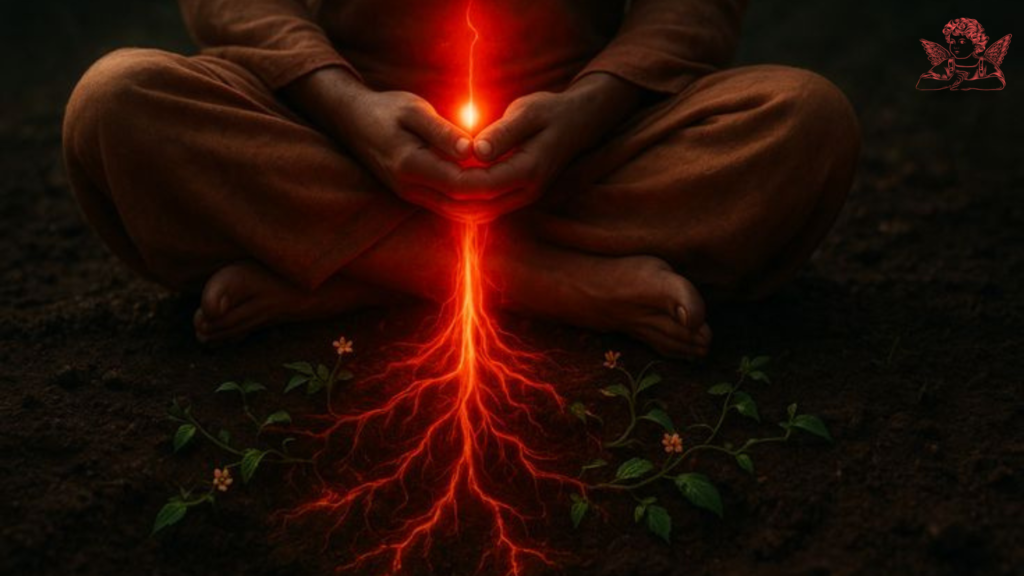
Emotional safety is the foundation of every healthy relationship. Without it, trust becomes fragile, fear takes over decision-making, and connections begin to feel unstable. In chakra healing, emotional safety and trust are deeply connected to the root chakra, the first energy centre located at the base of the spine. This chakra governs survival instincts, grounding, and the feeling of being secure in both the world and in relationships.
When the root chakra is balanced, you feel supported by life. You trust yourself, your choices, and the people around you. You are able to form relationships without constantly fearing loss, betrayal, or abandonment. Emotional stability allows you to respond calmly rather than react impulsively. However, when the root chakra is blocked or weakened, emotional insecurity can quietly shape your relationships, often without conscious awareness.
Root chakra imbalances usually develop from early life experiences, unstable environments, or repeated emotional disappointments. These experiences create subconscious beliefs that the world is unsafe or that love can be taken away at any moment. As a result, relationships may trigger anxiety, possessiveness, or emotional withdrawal.
Common emotional signs of an imbalanced root chakra in relationships include
- Constant fear of abandonment or rejection
- Difficulty trusting partners or close friends
- Emotional dependence or excessive attachment
- Staying in unhealthy relationships for security
- Feeling emotionally unsafe even in stable relationships
Healing the root chakra is not about fixing external circumstances. It is about restoring a sense of inner safety so that trust can grow naturally. When you feel safe within yourself, you no longer rely on others to provide emotional stability. This inner grounding allows relationships to become supportive rather than stressful.
One of the most powerful ways to heal the root chakra is through grounding practices. Grounding reconnects your body and emotions to the present moment, helping release fear-based thoughts. Simple daily habits such as walking barefoot on natural surfaces, spending time outdoors, or focusing on slow breathing can bring immediate emotional calm. These practices remind the nervous system that it is safe to relax.
Affirmations also play an important role in rebuilding trust and emotional safety. The root chakra responds strongly to repeated reassurance. When you consciously affirm stability and support, your subconscious begins to shift old fear patterns. Gentle affirmations such as “I am safe in my body,” “I trust the process of life,” or “I am supported in my relationships” help reprogram emotional responses over time.
Emotional healing of the root chakra also involves addressing the body. This chakra is closely linked to the physical sense of stability. Regular movement, especially slow and intentional exercises, helps release stored fear from the body. Practices such as stretching, yoga poses focused on the lower body, or even mindful walking strengthen the connection between emotional safety and physical grounding.
Signs that root chakra healing is taking place include
- Feeling calmer during emotional conversations
- Reduced fear of being alone or rejected
- Increased trust in yourself and others
- Greater emotional resilience during conflict
- A stronger sense of belonging and stability
Food and routine also influence the root chakra. Consistent daily routines create predictability, which reinforces emotional safety. Eating nourishing meals at regular times and maintaining simple self-care rituals help the nervous system feel supported. Earth-based foods such as root vegetables and warm, grounding meals can further strengthen this chakra by promoting a sense of physical and emotional stability.
Relationships begin to change naturally as the root chakra heals. You may notice that you are less reactive, more patient, and more confident in your emotional boundaries. Trust becomes less about certainty and more about inner assurance. Instead of seeking constant reassurance, you begin to trust that you can handle whatever arises.
Healing the root chakra does not mean eliminating fear completely. It means learning how to feel safe even when uncertainty exists. As emotional safety deepens, relationships shift from survival-based attachments to conscious, healthy connections. When the root chakra is grounded and balanced, trust grows organically, allowing love and emotional intimacy to flourish without fear.

Sacral Chakra and Building Healthy Emotional Bonds
Healthy emotional bonds are built on openness, emotional flow, and the ability to connect without fear or control. The sacral chakra, located just below the navel, governs emotions, intimacy, pleasure, creativity, and our capacity to form deep emotional connections. This chakra plays a central role in how we experience closeness, vulnerability, and emotional exchange within relationships.
When the sacral chakra is balanced, emotions move freely. You are able to express feelings honestly, receive affection without guilt, and enjoy emotional intimacy without fear of loss. Relationships feel fluid rather than forced. There is a natural give-and-take where emotions are shared openly while personal boundaries remain intact. You feel comfortable being emotionally present without becoming emotionally dependent.
However, when the sacral chakra is imbalanced, emotional bonds can become complicated. Past emotional wounds, unresolved heartbreak, or suppressed feelings often lodge in this energy centre. As a result, you may struggle with emotional extremes. Some people become overly attached, seeking constant emotional reassurance, while others shut down emotionally to avoid being hurt again. Both patterns stem from fear rather than genuine emotional connection.
Common emotional signs of a blocked or overactive sacral chakra include
- Fear of emotional intimacy or vulnerability
- Emotional dependency or attachment anxiety
- Difficulty trusting emotional closeness
- Suppressing emotions to avoid conflict
- Guilt or discomfort around pleasure and joy
Healing the sacral chakra begins with allowing emotions to be felt rather than controlled or judged. This chakra thrives on emotional honesty. Acknowledging feelings without labelling them as good or bad creates emotional freedom. When emotions are allowed to flow, they no longer dominate relationships through unconscious reactions.
Movement is especially powerful for sacral chakra healing because this energy centre is associated with fluidity. Gentle physical activities that encourage natural movement help release stored emotional tension. Slow stretching, mindful dance, or simple hip-opening movements can support emotional release. These practices help reconnect the body with emotional expression, allowing feelings to surface and settle naturally.
Emotional bonds also strengthen when pleasure and joy are welcomed without guilt. The sacral chakra governs the ability to enjoy life and relationships fully. Many people suppress joy due to past conditioning or emotional pain. Reconnecting with small moments of happiness, creativity, and sensual enjoyment restores emotional balance. When you allow yourself to experience joy, relationships become lighter and more emotionally fulfilling.
Ways to support sacral chakra healing in relationships include
- Practising emotional honesty without fear of judgment
- Allowing vulnerability while maintaining healthy boundaries
- Engaging in creative activities that bring emotional expression
- Releasing guilt around pleasure and emotional enjoyment
- Practising mindful presence during emotional interactions
Communication becomes more authentic as the sacral chakra heals. You begin to express emotions as they arise rather than storing them. This reduces emotional tension and prevents misunderstandings. Healthy emotional bonds are not formed by avoiding discomfort but by navigating emotions together with openness and compassion.
As sacral chakra balance returns, emotional relationships feel safer and more enjoyable. You no longer fear losing yourself in others or being abandoned for being emotionally honest. Emotional intimacy becomes a shared experience rather than an emotional struggle. When the sacral chakra is nurtured, relationships transform into spaces of mutual trust, emotional warmth, and genuine connection.

Solar Plexus Chakra for Confidence and Personal Power
Confidence in relationships and in life begins with a strong sense of self. The solar plexus confidence chakra, located in the upper abdomen just above the navel, is the centre of personal power, self-esteem, and inner strength. It governs how you see yourself, how you assert your needs, and how comfortable you feel taking up space in the world. When this chakra is balanced, confidence feels natural rather than forced, and personal power is expressed with calm assurance.
A healthy solar plexus chakra allows you to trust your decisions and honour your boundaries. You are able to say yes when something feels right and no when it does not, without guilt or fear of rejection. This inner stability strengthens relationships because you are not constantly seeking approval or validation from others. Confidence rooted in the solar plexus chakra is quiet, steady, and deeply grounded in self-respect.
When the solar plexus chakra is imbalanced, personal power becomes distorted. A weakened solar plexus often shows up as low self-worth, people-pleasing, or fear of conflict. You may doubt your abilities, suppress your opinions, or rely heavily on others to feel valued. On the other hand, an overactive solar plexus can appear as controlling behaviour, defensiveness, or a constant need to dominate conversations and decisions. Both patterns stem from insecurity rather than true confidence.
Common emotional signs of solar plexus imbalance include
- Difficulty making decisions or trusting yourself
- Fear of expressing opinions or needs
- Seeking constant approval from others
- Feeling powerless or emotionally invisible
- Overcompensating with control or aggression
Healing the solar plexus chakra begins with reconnecting to your sense of self-worth. This involves recognising that your value is not dependent on external validation. Small acts of self-trust play a powerful role in rebuilding confidence. Keeping commitments to yourself, honouring your feelings, and making choices that align with your values strengthen this chakra over time.
The solar plexus chakra responds well to practices that build inner discipline and self-awareness. Activities that encourage focus and intention help restore balance. Simple practices such as setting daily goals, engaging in mindful movement, or practising deep breathing centred in the abdomen help activate this energy centre. Each time you follow through on your intentions, personal power becomes more stable and self-assured.
Ways to support solar plexus chakra healing include
- Practising self-affirmations that reinforce self-worth
- Setting and maintaining healthy emotional boundaries
- Taking responsibility for personal choices without self-blame
- Engaging in activities that challenge and empower you
- Acknowledging achievements without minimising them
As the solar plexus chakra heals, confidence becomes embodied rather than performative. You begin to feel comfortable being seen and heard. Communication becomes clearer, and boundaries are expressed without hostility or fear. Instead of shrinking yourself to maintain harmony, you trust that your presence and voice matter.
In relationships, a balanced solar plexus chakra allows mutual respect to flourish. You no longer give your power away or attempt to control others. Interactions feel equal and supportive, rooted in confidence rather than insecurity. When personal power is aligned, confidence becomes a natural expression of self-trust, allowing you to move through life with clarity, courage, and emotional stability.

Heart Chakra Healing for Love, Compassion, and Forgiveness
The Emotional Role of the Heart Chakra
The heart chakra is the centre of love, emotional balance, and connection. It bridges the lower chakras, which govern survival and identity, with the higher chakras, which guide expression and awareness. When this chakra is balanced, love flows naturally toward yourself and others without fear or expectation.
How the Heart Chakra Shapes Relationships
A healthy heart chakra allows you to give and receive love freely. You feel emotionally open yet grounded, capable of forming deep connections without losing yourself. Relationships feel supportive rather than draining because love is rooted in trust and emotional presence.
Emotional Wounds Stored in the Heart Chakra
Past heartbreak, betrayal, grief, or emotional loss often leave imprints on the heart chakra. These experiences can create emotional walls, making it difficult to trust or open up again. Over time, unresolved pain may lead to emotional distance or fear of vulnerability.
Compassion as a Path to Healing
Compassion begins with self-acceptance. When you allow yourself to feel emotions without judgment, the heart chakra softens. Extending kindness toward yourself creates the emotional space needed to connect with others from a place of understanding rather than defence.
Forgiveness and Emotional Release
Forgiveness does not mean excusing hurtful behaviour. It is the act of releasing emotional weight that no longer serves you. Healing the heart chakra involves letting go of resentment and emotional attachments that block love and inner peace.
Balancing Giving and Receiving Love
Heart chakra imbalance often shows up as over-giving or emotional withdrawal. True balance lies in allowing love to move both ways. Learning to receive support, care, and affection is just as important as offering it.
Heart Chakra Healing Through Presence
Mindful presence strengthens emotional connection. When you listen without judgment and engage fully in emotional moments, the heart chakra opens naturally. Presence deepens empathy and nurtures emotional trust.
Signs of a Healing Heart Chakra
As self worth healing begins, emotional reactions soften. You may notice increased patience, emotional warmth, and a renewed sense of connection. Love feels lighter, and forgiveness becomes more natural.
Daily Practices to Support Heart Chakra Balance
Simple practices such as gratitude, conscious breathing, and gentle self-reflection help maintain heart chakra balance. These habits reinforce emotional openness and resilience over time.
Living from the Heart
When the heart chakra is balanced, love becomes a way of being rather than an effort. Compassion guides actions, forgiveness frees emotional space, and relationships grow from authenticity and emotional truth.

Throat Chakra and Expressing Your Needs Clearly
The ability to express your needs clearly and honestly is essential for emotional balance and healthy relationships. The throat chakra, located at the centre of the throat, governs communication, self-expression, and emotional truth. It influences how comfortably you speak your feelings, set boundaries, and share your thoughts without fear or suppression. When this chakra is balanced, communication feels natural, respectful, and empowering.
A healthy throat chakra allows you to express yourself without overexplaining or holding back. You can communicate your needs calmly, even during emotionally charged situations. Your words align with your inner truth, reducing misunderstandings and emotional tension. This clarity builds trust in relationships because others understand where you stand emotionally.
When the throat chakra is blocked, emotions often remain unspoken. You may fear conflict, rejection, or being misunderstood, leading you to silence your needs. Over time, suppressed emotions turn into frustration, resentment, or emotional distance. On the other hand, an overactive throat chakra can result in speaking impulsively, dominating conversations, or expressing emotions without sensitivity. Both extremes disrupt healthy communication.
Common emotional signs of throat chakra imbalance include
- Difficulty expressing feelings or needs
- Fear of confrontation or speaking up
- Holding back emotions to keep peace
- Feeling unheard or emotionally invisible
- Overcommunicating without emotional clarity
Healing the throat chakra begins with emotional honesty. This does not mean saying everything without thought, but expressing yourself with awareness and intention. Acknowledging your feelings privately before communicating them helps create clarity. When emotions are understood internally, they are easier to express calmly and effectively.
Listening is equally important in throat chakra healing. True expression includes the ability to hear others without defensiveness. When listening becomes conscious, communication transforms into an exchange rather than a struggle for validation. This balance strengthens mutual understanding and emotional respect.
Ways to support throat chakra healing include
- Practising clear and compassionate communication
- Journaling emotions to organise inner thoughts
- Speaking affirmations that reinforce self-expression
- Pausing before responding during emotional moments
- Honouring your truth even when it feels uncomfortable
As the throat chakra heals, expressing needs becomes less emotionally charged. You no longer fear being misunderstood or rejected for speaking your truth. Boundaries feel easier to communicate, and relationships benefit from increased transparency.
Clear expression is not about controlling how others respond. It is about respecting your own emotional truth. When the throat chakra is balanced, your voice becomes a tool for connection rather than conflict. Needs are expressed with confidence, honesty, and compassion, allowing relationships to grow through open and authentic connections chakra.

Third Eye Chakra for Emotional Awareness and Intuition
Emotional awareness is the ability to understand what you feel, why you feel it, and how those emotions influence your choices. The third eye chakra, located between the eyebrows, governs intuition, insight, and inner perception. It allows you to observe emotional patterns with clarity rather than becoming overwhelmed by them. When this chakra is balanced, emotions become sources of guidance instead of confusion.
A healthy third eye chakra helps you recognise emotional triggers before they take control. You are able to pause, reflect, and respond thoughtfully rather than reacting impulsively. This awareness strengthens relationships because you can separate past emotional wounds from present experiences. You trust your inner knowing while remaining emotionally grounded.
When the third eye chakra is imbalanced, emotional clarity becomes distorted. You may ignore intuitive signals, overthink emotional situations, or misinterpret others’ intentions. Some people become disconnected from intuition and rely solely on logic, while others become overly absorbed in emotional fantasies or assumptions. Both patterns create emotional confusion and repeated relationship challenges.
Common emotional signs of third eye chakra imbalance include
- Difficulty trusting intuition
- Overthinking emotions and situations
- Ignoring emotional red flags
- Confusion about emotional boundaries
- Repeating the same emotional patterns in relationships
Healing the third eye chakra begins with cultivating self-awareness. This chakra thrives on stillness and reflection. Taking time to observe emotions without judgment strengthens intuitive clarity. Instead of asking why an emotion is wrong, you learn to ask what it is teaching you. This shift transforms emotional reactions into conscious understanding.
Mindfulness practices support third eye chakra balance by quieting mental noise. Simple habits such as focused breathing, visualisation, or quiet reflection help sharpen emotional insight. Reducing mental distractions allows intuition to surface naturally. When the mind slows down, emotional truth becomes easier to recognise.
Ways to support third eye chakra healing include
- Practising mindful awareness of emotional reactions
- Trusting intuitive insights without overanalysing
- Limiting mental overstimulation and distractions
- Reflecting on emotional patterns through journaling
- Allowing stillness to guide emotional clarity
As the third eye chakra heals, emotional awareness deepens. You begin to recognise subtle emotional shifts within yourself and others. Decisions feel more aligned, and emotional responses become more measured. Instead of questioning every feeling, you develop confidence in your inner guidance.
In relationships, a balanced third eye chakra helps you see situations as they truly are, not as fear or past experiences distort them. Emotional intuition becomes a source of wisdom rather than anxiety. When emotional awareness and intuition work together, you navigate relationships with clarity, trust, and inner balance.
Signs Your Chakras Are Affecting Your Self-Worth
Self-worth shapes how you see yourself, how you allow others to treat you, and how you show up in relationships. When your chakras are balanced, self-worth feels steady and natural. You trust your value without constantly seeking approval. However, when one or more chakras are imbalanced, self-worth often becomes fragile, conditional, or externally driven. These energetic imbalances subtly influence thoughts, emotions, and behaviour, often going unnoticed.
One of the earliest signs that chakras are affecting your self-worth is persistent self-doubt. You may question your decisions, abilities, or worthiness even when there is no clear reason to do so. This often points to an imbalance in the solar plexus chakra, which governs confidence and personal power. When this energy centre is weakened, external validation begins to replace inner assurance.
Emotional insecurity in relationships is another strong indicator. If you constantly fear rejection, abandonment, or emotional loss, your root chakra may be seeking stability. This can lead to clinging behaviour, people-pleasing, or staying in relationships that no longer serve you simply to feel secure. Self-worth becomes tied to emotional safety rather than self-trust.
Difficulty expressing needs or setting boundaries also reflects chakra imbalance. When the throat chakra is blocked, you may silence your feelings to avoid conflict or rejection. Over time, this suppression creates resentment and reinforces the belief that your needs are less important than others’. This pattern gradually erodes self-worth and emotional confidence.
A lack of emotional fulfillment or joy may signal sacral chakra imbalance. You might feel disconnected from pleasure, creativity, or emotional intimacy. When joy feels undeserved or uncomfortable, self-worth becomes limited by guilt or emotional restriction. Relationships may feel emotionally flat or overly intense without balance.
Signs that chakras may be affecting your self-worth include
- Fear of being seen or truly known
- Overgiving or emotional withdrawal in relationships
Heart chakra imbalances often show up as difficulty receiving love. You may give endlessly but struggle to accept care, support, or affection. This imbalance reinforces the belief that love must be earned, rather than received naturally. Over time, this belief weakens self-worth and emotional openness.
When the third eye chakra is affected, self-worth may be influenced by confusion or self-mistrust. You may ignore intuitive insights, second-guess emotional instincts, or remain stuck in repetitive emotional patterns. This disconnect from inner guidance makes chakra imbalance self-worth dependent on external opinions rather than inner clarity.
Recognising these signs is not about self-judgment. Awareness is the first step toward healing. When you understand how chakras influence self-worth, you can gently address the emotional roots rather than surface behaviours. As chakra balance is restored, self-worth shifts from something you seek to something you embody naturally.
Reclaiming Your Worth and Rewriting Your Relationship Story
Reclaiming your worth begins with recognising that your value has never been lost, only overshadowed by experiences, emotions, and beliefs formed over time. Every relationship you have encountered has left an imprint, shaping how you love, trust, and see yourself. Chakra healing offers a compassionate way to release those emotional layers and return to a deeper sense of self-respect and inner balance.
When you begin to heal your chakras, relationships stop feeling like emotional battlegrounds and start becoming mirrors of growth. You learn that love does not require self-sacrifice, silence, or constant proving. Instead, it flourishes when rooted in emotional safety, clear expression, and mutual respect. As your energy centres align, you respond from awareness rather than wounds, and confidence replaces self-doubt.
Rewriting your relationship story does not mean erasing the past. It means understanding it, honouring what it taught you, and choosing differently moving forward. With balanced chakra energy balance, you attract relationships that reflect your healed self, not your unmet needs. You become more present, more intuitive, and more emotionally available without losing yourself.
When worth is reclaimed from within, relationships no longer define you. They complement you. From this grounded place, love becomes a conscious choice rather than an emotional struggle, allowing deeper connection, authenticity, and lasting emotional fulfilment.
Reclaiming your worth is not a destination you reach once and forget. It is an ongoing relationship with yourself that deepens through awareness, patience, and compassion. As you continue to work with your chakras, you may notice old emotional patterns resurfacing from time to time. This is not a sign of failure, but an invitation to meet yourself with greater understanding. Healing unfolds in layers, and each layer brings you closer to emotional freedom and self-acceptance.
As your inner energy becomes more balanced, relationships begin to feel less overwhelming and more supportive. You start recognising the difference between love rooted in fear and love grounded in emotional presence. You no longer feel compelled to overgive, overexplain, or abandon your needs to maintain connection. Instead, you trust that being authentic is enough.
This inner shift changes how you experience love. You listen more deeply, communicate more clearly, and respond with awareness rather than old wounds. Relationships become spaces for growth rather than validation. By honouring your emotional healing practices and nurturing your inner balance, you create a healing relationship patterns defined by self-respect, emotional stability, and genuine connection.
Watch: Related Video
Frequently Asked Questions

📚 Sources & References
- Mental Health and Wellness – WHO
- Mind-Body Connection – Harvard Health
- Emotional Healing – Psychology Today
- What is Holistic Health? – Cleveland Clinic
- Energy Medicine: An Overview – NIH / NCCIH
- Mind-Body Practices – NIH / NCCIH
- Yoga: What You Need To Know – NIH
- Meditation and Mindfulness – NIH / NCCIH
- Self-Compassion Research – Greater Good Magazine
- Self-Esteem – Psychology Today