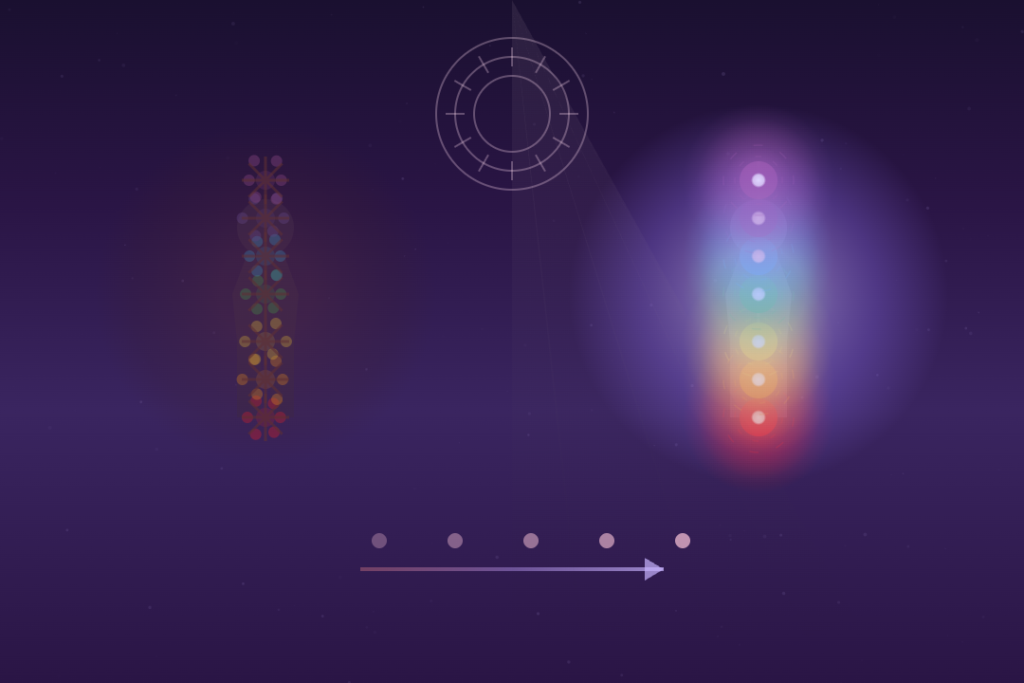
Emotional trauma doesn’t just live in the mind – it leaves imprints throughout the body and energy system as well. In chakra philosophy, unresolved experiences such as fear, loss, rejection, abuse, or chronic stress can disrupt the natural flow of energy through the seven chakras. Over time, these disruptions may show up as emotional patterns, physical discomfort, limiting beliefs, or a deep sense of disconnection from oneself and others. Trauma can cause certain chakras to become blocked, underactive, or overactive, depending on how the experience was processed or suppressed.
Unlike quick fixes, chakra healing after trauma requires a gentle, compassionate approach. For many people, healing is not about “opening” chakras forcefully, but about creating safety, awareness, and self-trust again. Each chakra responds to specific emotional wounds and heals best when met with patience, grounding practices, and self-kindness. Breathwork, mindfulness, movement, sound, and reflective practices can all help restore balance without retraumatizing the system.
This guide explores emotional trauma and chakras and how emotional trauma affects each chakra and offers soft, supportive ways to begin healing. Whether your wounds are recent or deeply rooted, understanding your energy centers can help you reconnect with yourself, release stored pain, and move forward with greater clarity, stability, and emotional resilience.
Understanding the Link Between Emotional Trauma and the Chakra System
Emotional trauma is not only a psychological experience; it is something the body and energy system remember as well. According to the chakra system, emotions, beliefs, and life experiences are stored as energetic imprints within the seven main energy centers that run along the spine. When an experience feels overwhelming, unsafe, or emotionally unprocessable, its energy may become “stuck” in one or more chakras. Over time, this can disrupt the natural flow of prana (life force energy), influencing how a person feels, thinks, and responds to life.
Trauma often involves a perceived loss of safety, control, or connection. Because each chakra governs specific emotional themes – such as security, creativity, self-worth, love, expression, intuition, and spiritual trust – different types of trauma affect different chakras. For example, childhood neglect may disturb the heart and root chakras, while emotional invalidation can impact the throat and solar plexus chakras. These energetic disturbances do not disappear simply because the mind moves on; they may linger beneath awareness until they are gently acknowledged and released.
One important aspect of the chakra–trauma connection is that the body reacts faster than conscious thought. During a traumatic event, the nervous system shifts into survival mode. This survival response can cause energy to contract around certain chakras, particularly the lower ones associated with safety and identity. If this state becomes habitual, the chakra may remain blocked or overactive, reinforcing emotional patterns such as anxiety, shame, people-pleasing, or emotional numbness.
Trauma can influence the chakra system in several key ways:
- Energy contraction: Fear or shock causes chakras to tighten, restricting energy flow
- Emotional storage: Unexpressed emotions settle into specific chakras
- Belief formation: Trauma creates limiting beliefs tied to chakra themes
- Mind–body symptoms: Energetic imbalances manifest as physical or emotional issues
Another crucial link is that trauma often fragments awareness. A person may disconnect from sensations, emotions, or intuition as a coping mechanism. This disconnection weakens the communication between chakras, making it harder to feel grounded, emotionally open, or spiritually connected. Healing, therefore, is not about forcing energy to move, but about restoring a sense of safety that allows the system to regulate naturally.
Understanding this connection encourages a gentler approach to healing. Chakra work, when trauma-informed, emphasizes slow, supportive practices such as breath awareness, grounding, mindful movement, sound, and self-reflection. These methods help the nervous system relax, allowing trapped energy to release gradually without overwhelm.
By recognizing how emotional trauma and chakras interact, individuals can better understand their emotional patterns and physical signals. This awareness becomes the first step toward compassionate healing – one that honors the body’s wisdom, respects personal boundaries, and supports lasting emotional balance.
Root Chakra Trauma: Fear, Safety, and Trust Issues
The root chakra, or Muladhara, is the foundation of the chakra system. Located at the base of the spine, it governs feelings of safety, stability, survival, and trust in life. When the root chakra is balanced, a person feels grounded, secure, and supported by the world around them. However, emotional trauma that threatens basic safety – physically, emotionally, or financially – can deeply impact this energy center.
Root chakra trauma often develops during early life experiences, especially in childhood. Situations such as neglect, unstable home environments, poverty, abandonment, abuse, or repeated exposure to fear can create a persistent sense of insecurity. Even in adulthood, sudden losses, accidents, chronic stress, or long-term uncertainty can destabilize the root chakra. When the nervous system is constantly on alert, the root chakra may contract as a protective response, limiting the free flow of grounding energy.
When the root chakra is affected by trauma, common emotional and physical patterns may appear:
- Chronic fear or anxiety, especially about survival or the future
- Difficulty trusting people or life situations
- Feeling ungrounded, restless, or disconnected from the body
- Financial insecurity or obsessive worry about money
- Physical symptoms such as lower back pain, fatigue, or digestive issues
A traumatized root chakra may become either underactive or overactive. An underactive root chakra often leads to fear, avoidance, and a lack of stability. An overactive root chakra, on the other hand, may show up as rigidity, excessive control, material attachment, or resistance to change. Both states stem from the same core wound: a loss of felt safety.
Healing root chakra trauma requires gentleness and consistency rather than force. The goal is to help the body relearn that it is safe in the present moment. Trauma-informed root chakra healing focuses on grounding the nervous system and rebuilding trust slowly.
Supportive healing practices include:
- Grounding exercises such as walking barefoot or sitting on the earth
- Slow, deep breathing that emphasizes the lower belly
- Body-based practices like gentle yoga or mindful stretching
- Reassuring affirmations focused on safety and support
- Creating routines that build predictability and stability
By nurturing the root chakra with patience and compassion, fear gradually softens into trust. As this foundational energy center heals, individuals often experience a deeper sense of stability, presence, and confidence in their ability to navigate life safely and securely.
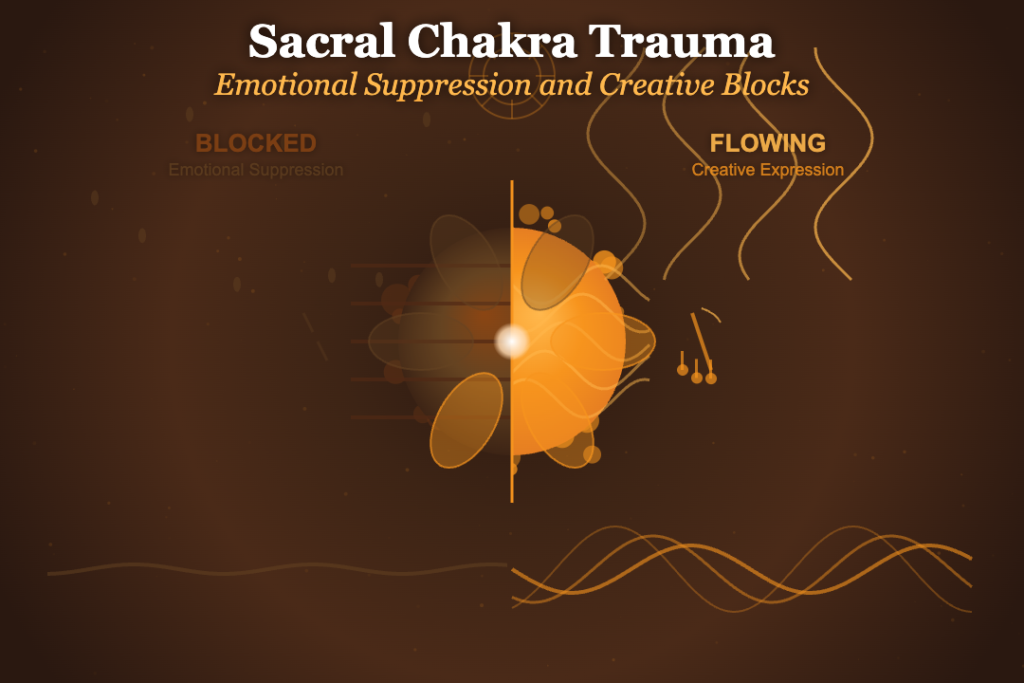
Sacral Chakra Trauma: Emotional Suppression and Creative Blocks
The sacral chakra, or Svadhisthana, is located in the lower abdomen, just below the navel. It governs emotions, pleasure, creativity, intimacy, and the ability to experience joy. When this chakra is balanced, emotions flow freely, creativity feels natural, and a person can form healthy emotional and relational connections. Trauma, however, can deeply affect the sacral chakra – especially experiences that involve emotional suppression, shame, or violated boundaries.
Sacral chakra trauma often develops when emotions are discouraged or unsafe to express. Childhood environments where feelings were dismissed, punished, or ignored can teach a person to numb themselves emotionally. Experiences such as emotional neglect, sexual trauma, betrayal, loss, or repeated rejection may also disrupt this chakra. To cope, the body may “shut down” emotional and sensory awareness, leading to blocked creative and emotional energy.
When the sacral chakra carries trauma, it may manifest in subtle yet persistent ways:
- Difficulty feeling or expressing emotions
- Creative blocks or lack of inspiration
- Guilt or shame around pleasure and desire
- Fear of emotional closeness or intimacy
- Emotional numbness or sudden emotional overwhelm
- Physical tension in the hips, pelvis, or lower abdomen
A traumatized sacral chakra may become underactive or overactive. An underactive sacral chakra often leads to emotional flatness, disconnection from pleasure, and creative stagnation. An overactive sacral chakra may show up as emotional dependency, impulsivity, or intense mood swings. Both imbalances stem from unresolved emotional wounds and disrupted boundaries.
Healing sacral chakra trauma requires permission to feel – slowly and safely. The focus is not on forcing emotional release, but on gently reconnecting with sensations, creativity, and emotional expression. Trauma-sensitive practices help the body relearn that it is safe to experience joy and emotion again.
Supportive healing practices include:
- Gentle movement, especially hip-opening stretches
- Creative expression such as journaling, art, or music
- Mindful emotional awareness without judgment
- Affirmations centered on emotional safety and self-acceptance
- Water-based practices, like bathing or swimming, to encourage flow
As the sacral chakra heals, emotional energy begins to move freely again. Creativity returns, pleasure feels safe, and emotional expression becomes more balanced – allowing a deeper, more authentic connection to oneself and others.
Solar Plexus Trauma: Loss of Power, Control, and Self-Worth
The solar plexus chakra, or Manipura, is located in the upper abdomen, just above the navel. It is the center of personal power, confidence, self-worth, and the ability to take action in the world. When this chakra is balanced, a person feels capable, motivated, and secure in their sense of identity. Trauma that undermines autonomy, respect, or personal choice can deeply affect this energy center, leading to long-lasting struggles with self-esteem and control.
Solar plexus trauma often develops in environments where a person feels powerless or dominated. Experiences such as emotional abuse, harsh criticism, bullying, excessive control, humiliation, or repeated failure can weaken this chakra. Growing up with authoritarian figures or being constantly invalidated can teach a person to doubt themselves and suppress their will. Over time, this erodes confidence and creates a belief that one’s needs or voice do not matter.
When the solar plexus chakra holds trauma, common patterns may emerge:
- Low self-esteem or persistent self-doubt
- Fear of making decisions or taking responsibility
- People-pleasing and difficulty setting boundaries
- Perfectionism driven by fear of failure
- Anger, resentment, or suppressed rage
- Digestive discomfort, tension, or fatigue in the upper abdomen
An underactive solar plexus chakra often shows up as passivity, indecision, and lack of motivation. An overactive solar plexus chakra may appear as excessive control, aggression, or a constant need for validation. Both imbalances stem from unresolved wounds around power and self-worth.
Healing solar plexus trauma requires rebuilding a sense of inner authority in a safe, compassionate way. Rather than forcing confidence, healing focuses on small, empowering actions that restore trust in oneself.
Gentle healing practices include:
- Breathwork that strengthens the core and supports confidence
- Affirmations focused on self-worth and personal power
- Setting small, achievable goals to rebuild self-trust
- Mindful boundary practice in daily interactions
- Gentle core-strengthening movements done with awareness
As the solar plexus chakra heals, self-doubt gradually transforms into self-belief. Personal power feels grounded rather than aggressive, and a renewed sense of confidence, clarity, and self-respect begins to guide decisions and actions.
Heart Chakra Trauma: Grief, Betrayal, and Emotional Guarding
The heart chakra, or Anahata, is located at the center of the chest and governs love, compassion, connection, and emotional balance. It bridges the lower chakras of survival and identity with the upper chakras of expression and awareness. When the heart chakra wounds are balanced, a person can give and receive love freely while maintaining healthy emotional boundaries. Trauma involving loss, betrayal, or emotional pain can deeply affect this chakra, often leading to emotional guarding and difficulty trusting again.
Heart chakra trauma commonly arises from experiences such as grief, abandonment, betrayal, rejection, emotional neglect, or the loss of a loved one. When love leads to pain, the body may instinctively protect itself by closing off emotionally. While this guarding once served as a survival mechanism, it can later block the natural flow of love, compassion, and emotional intimacy.
When trauma is stored in the heart chakra, it may show up in various emotional and physical patterns:
- Difficulty trusting others or forming close relationships
- Fear of vulnerability or emotional intimacy
- Emotional numbness or detachment
- Holding onto grief, resentment, or unresolved sadness
- Over-giving or self-sacrificing behaviors
- Physical sensations such as chest tightness or shallow breathing
A traumatized heart chakra may be underactive or overactive. An underactive heart chakra often appears as emotional withdrawal, isolation, or inability to feel love fully. An overactive heart chakra may manifest as codependency, people-pleasing, or ignoring personal boundaries to feel connected. Both patterns stem from unhealed emotional wounds.
Healing heart chakra trauma requires patience and self-compassion. Forcing openness can feel unsafe, so healing focuses on gradually rebuilding trust – first within oneself, and then with others.
Gentle healing practices include:
- Heart-centered breathing to soften emotional tension
- Self-compassion practices and loving-kindness meditation
- Journaling to process grief and unexpressed emotions
- Affirmations focused on safety, love, and balance
- Acts of self-care that reinforce emotional boundaries
As the heart chakra heals, emotional walls soften naturally. Love becomes less about fear and more about presence, allowing compassion, forgiveness, and authentic connection to flow again – without losing oneself in the process.
Throat Chakra Trauma: Silenced Emotions and Unspoken Truths
The throat chakra, or Vishuddha, is located at the throat and governs communication, self-expression, truth, and the ability to speak one’s needs and emotions clearly. When this chakra is balanced, a person can express thoughts and feelings with confidence, honesty, and ease. Trauma that involves being silenced, ignored, judged, or punished for speaking up can deeply affect this chakra, leading to suppressed emotions and unspoken truths.
Throat chakra trauma often develops in environments where expression feels unsafe. Childhood experiences such as being told to “stay quiet,” having emotions dismissed, or growing up in households where conflict or truth-telling was discouraged can condition a person to silence themselves. In adulthood, experiences like toxic relationships, public shaming, workplace intimidation, or repeated invalidation can further reinforce this pattern. Over time, the body learns that speaking feels dangerous, and the throat chakra contracts to protect itself.
When trauma is stored in the throat chakra, common signs may include:
- Difficulty expressing thoughts or emotions clearly
- Fear of confrontation or speaking up
- People-pleasing and saying yes when meaning no
- Holding back opinions to avoid rejection or conflict
- Physical symptoms such as throat tightness, jaw tension, or voice strain
- Creative expression blocks, especially in writing or speaking
A traumatized throat chakra may be underactive or overactive. An underactive throat chakra often results in silence, self-censorship, and suppressed emotions. An overactive throat chakra may manifest as excessive talking, interrupting, or speaking without emotional clarity. Both imbalances stem from unresolved wounds around being heard and accepted.
Healing throat chakra trauma involves creating a sense of safety around expression. The goal is not to force honesty, but to gently rebuild trust in one’s voice and inner truth.
Gentle healing practices include:
- Mindful vocalization, such as humming or chanting softly
- Journaling to express truths privately and without judgment
- Breath awareness focused on the throat and neck area
- Affirmations that reinforce the right to speak and be heard
- Practicing small moments of honest expression
As the throat chakra heals, unspoken truths begin to surface naturally. Expression becomes calmer and more authentic, allowing emotions and ideas to flow freely – without fear, suppression, or self-betrayal.

Third Eye Chakra Trauma: Confusion, Dissociation, and Lack of Clarity
The third eye chakra, or Ajna, is located between the eyebrows and governs intuition, perception, insight, and mental clarity. It helps integrate logic with inner knowing, allowing a person to trust their intuition and understand experiences beyond surface appearances. Trauma that overwhelms perception or repeatedly invalidates one’s inner experience can disrupt this chakra, leading to confusion, dissociation, and difficulty trusting one’s own mind.
Third eye chakra trauma often develops when a person’s reality is denied or distorted. Experiences such as gaslighting, emotional manipulation, chronic criticism, inconsistent caregiving, or long-term stress can cause a person to doubt their perceptions. In more intense situations – such as prolonged trauma or shock – the mind may dissociate as a protective mechanism. While dissociation helps survive overwhelming moments, it can weaken the connection between awareness, intuition, and inner clarity over time.
When trauma is stored in the third eye chakra, it may manifest as:
- Difficulty trusting intuition or inner guidance
- Mental fog, confusion, or overthinking
- Dissociation or feeling “spaced out”
- Intrusive thoughts or racing mind
- Difficulty focusing or making decisions
- Physical sensations such as headaches or pressure around the forehead
An underactive third eye chakra often shows up as lack of clarity, indecision, and disconnection from intuition. An overactive third eye chakra may appear as obsessive thinking, overanalysis, or escapism into fantasy. Both imbalances stem from disrupted trust in perception and inner knowing.
Healing third eye chakra trauma requires grounding awareness back into the present moment. Rather than forcing insight or intuition, healing focuses on stabilizing the nervous system and gently reconnecting the mind with the body.
Supportive healing practices include:
- Mindfulness meditation focused on present-moment awareness
- Grounding practices to anchor awareness in the body
- Limiting mental overstimulation, such as excessive screen time
- Journaling to clarify thoughts and beliefs
- Affirmations centered on trust, clarity, and inner wisdom
As the third eye chakra heals, mental fog gradually lifts. Perception becomes clearer, intuition feels trustworthy again, and awareness stabilizes – allowing insight to emerge naturally without confusion, dissociation, or self-doubt.
Crown Chakra Trauma: Disconnection, Meaninglessness, and Spiritual Doubt
The crown chakra, or Sahasrara, is located at the top of the head and represents connection to higher awareness, purpose, and a sense of meaning beyond the individual self. It governs spiritual trust, inner peace, and the feeling of being part of something greater. Trauma that shakes core beliefs, faith, or a sense of belonging can deeply affect this chakra, leading to spiritual disconnection, emptiness, and doubt.
Crown chakra trauma often develops after experiences that challenge one’s understanding of life and meaning. Events such as profound loss, existential crisis, betrayal by trusted belief systems, spiritual abuse, or long-term suffering can cause a person to question everything they once believed. In some cases, trauma may lead to spiritual bypassing – using beliefs to avoid emotional pain – or complete withdrawal from spiritual exploration altogether.
When trauma is held in the crown chakra, it may appear as:
- Feeling disconnected from life, purpose, or higher meaning
- Spiritual doubt or loss of faith
- Emotional emptiness or numbness
- Difficulty trusting life or the universe
- Over-intellectualizing spirituality while avoiding embodiment
- Physical sensations such as head pressure or chronic mental fatigue
An underactive crown chakra often shows up as cynicism, disconnection, and lack of purpose. An overactive crown chakra may manifest as dissociation, escapism, or being “ungrounded” while focusing only on spiritual ideas. Both imbalances reflect a broken sense of trust in existence itself.
Healing crown chakra trauma requires grounding spirituality in safety and lived experience. True healing is not about forcing faith or enlightenment, but about gently rebuilding trust in life at one’s own pace.
Gentle healing practices include:
- Grounded meditation that integrates body awareness
- Time in nature to restore a sense of connection
- Reflective journaling on meaning and personal values
- Affirmations focused on trust and belonging
- Balancing spiritual practice with everyday presence
As the crown chakra heals, meaning returns gradually. Spiritual connection feels supportive rather than distant, and a quiet sense of trust emerges – allowing peace, purpose, and inner openness to unfold naturally without pressure or doubt.
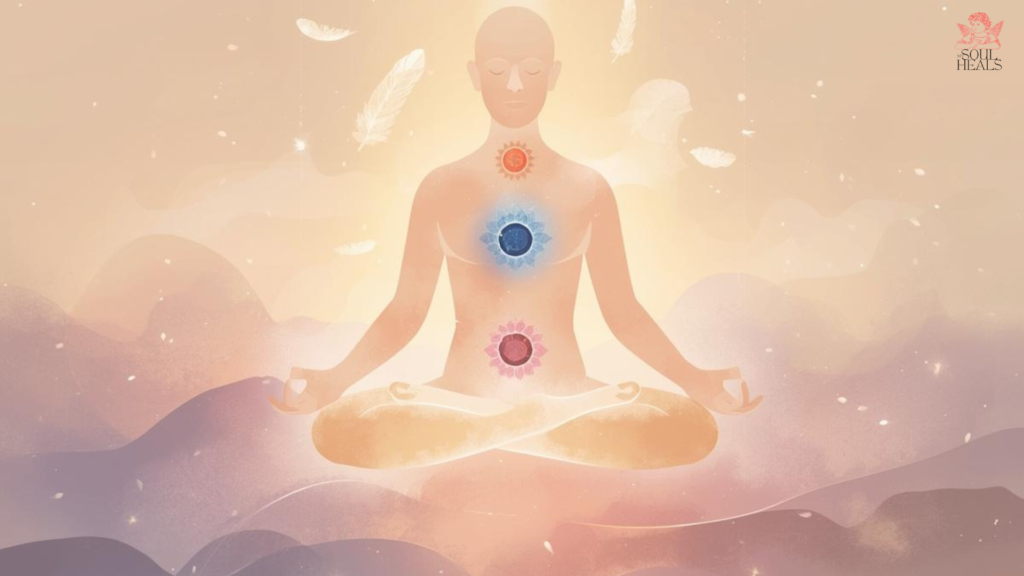
Gentle Healing Practices for Trauma-Sensitive Chakra Work
Trauma-sensitive chakra healing after trauma is rooted in safety, choice, and self-compassion. Unlike forceful energy practices, this approach respects the nervous system’s need to move slowly. Trauma lives in the body as much as the mind, so healing chakras gently means creating conditions where the body feels safe enough to release stored energy naturally. The goal is not to “fix” or push open chakras, but to rebuild trust with yourself and allow balance to return in its own time.
A key principle of trauma-sensitive chakra work is regulation before release. When the nervous system is overwhelmed, deep emotional or energetic work can feel destabilizing. Gentle practices help shift the body out of survival mode, allowing chakra energy to flow without retraumatization. This approach honors personal boundaries and emphasizes awareness over intensity.
Some core elements of trauma-sensitive chakra healing include:
- Slow, conscious breathing to calm the nervous system
- Grounding techniques that anchor awareness in the body
- Choice and consent, allowing you to stop anytime
- Present-moment awareness rather than emotional reliving
Supportive practices that work well for all chakras include:
- Body-based awareness: Noticing sensations without judgment
- Gentle movement: Slow yoga, stretching, or walking
- Sound and vibration: Soft humming, chanting, or calming music
- Journaling: Expressing emotions privately and safely
- Affirmations: Replacing fear-based beliefs with supportive ones
It is important to work with small, consistent practices rather than intense sessions. Even a few minutes of mindful breathing or grounding can support chakra balance more effectively than long, overwhelming routines. Emotional safety allows energy to move organically.
Another essential aspect is self-compassion. Trauma often creates inner criticism or pressure to heal quickly. Gentle chakra work invites patience, reminding you that healing is not linear. Some days may feel open and light, while others feel heavy- and both are part of the process.
By approaching chakra healing with gentleness and awareness, the body learns that it no longer needs to stay guarded. Over time, this creates space for emotional release, energetic balance, and a deeper sense of safety, integration, and inner harmony.
Integrating Chakra Healing Into Everyday Emotional Recovery
Chakra healing becomes most effective when it is woven gently into daily life rather than practiced only during dedicated sessions. Emotional recovery is not a single event but an ongoing process, and everyday moments offer powerful opportunities to restore balance across the chakra system. By bringing awareness to how you think, feel, move, and respond, chakra healing can support emotional regulation in a natural, sustainable way.
The key to integration is simplicity and consistency. Trauma recovery benefits from predictability, so small, repeatable practices help the nervous system feel safe. Instead of trying to work on all chakras at once, noticing which chakra themes arise in daily life – such as fear, self-doubt, emotional withdrawal, or silence – allows you to respond with gentle, targeted support.
Everyday ways to integrate chakra healing include:
- Morning grounding to support the root chakra through breath or body awareness
- Emotional check-ins to honor sacral chakra feelings without judgment
- Mindful decision-making that strengthens the solar plexus chakra
- Practicing self-kindness to nurture the heart chakra
- Speaking honestly but gently to support the throat chakra
- Limiting mental overstimulation to protect the third eye chakra
- Finding meaning in small moments to nourish the crown chakra
Chakra healing also integrates through behavioral awareness. For example, setting healthy boundaries supports both the solar plexus and heart chakras, while creative expression nourishes the sacral and throat chakras. Simple acts like walking in nature, journaling, or mindful breathing often support multiple chakras at once.
It is important to remember that emotional recovery is non-linear. Some days may feel grounded and open; others may feel heavy or disconnected. Rather than viewing this as failure, chakra awareness helps you respond with curiosity instead of self-judgment.
When integrated gently into daily life, chakra healing becomes less about “doing” and more about “listening.” Over time, this steady, compassionate approach supports emotional resilience, deeper self-awareness, and a renewed sense of balance – allowing healing to unfold naturally, one moment at a time.
Healing Is a Journey: Honoring Your Pace and Emotional Safety
Healing from emotional trauma is not a straight line, and chakra healing is no exception. Each person’s nervous system, life experiences, and emotional capacity are different, which means healing unfolds at its own unique pace. This is especially important in trauma-sensitive chakra work, where pushing for rapid change can feel unsafe and counterproductive. True healing happens when the body and mind feel respected, supported, and in control.
Trauma often creates an internal pressure to “fix” oneself or move on quickly. This pressure can activate fear, shame, or self-judgment, reinforcing the very imbalances that chakra healing seeks to resolve. Honoring your pace means recognizing when to rest, when to reflect, and when to engage in gentle practices – without forcing emotional release or spiritual insight.
Key principles for honoring emotional safety include:
- Listening to your body’s signals and stopping when something feels overwhelming
- Choosing gentle practices over intense emotional or energetic work
- Allowing emotions to surface naturally, without rushing expression
- Maintaining a sense of choice and control during healing activities
Emotional safety also means accepting that some chakras may take longer to heal than others. Certain wounds – especially those rooted in early experiences – require patience and repeated reassurance. Small shifts, such as feeling slightly more grounded or expressing one honest thought, are meaningful signs of progress.
Healing becomes sustainable when it is rooted in compassion rather than urgency. By honoring your pace, you build trust with yourself, which is essential for lasting emotional recovery. Over time, this gentle approach allows chakra balance to emerge naturally – creating space for stability, clarity, connection, and inner peace without fear or pressure.
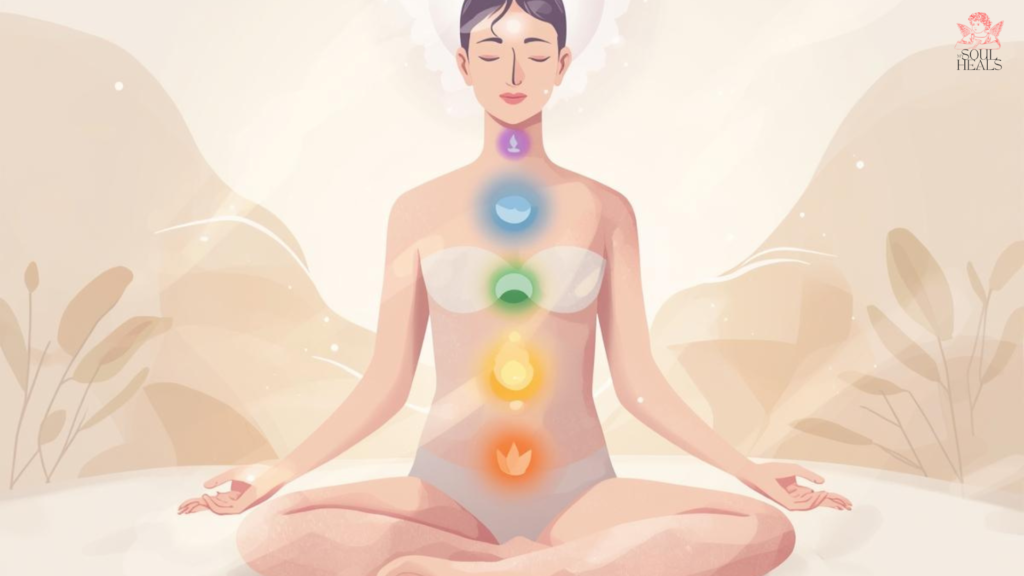
Cultivating Mindfulness to Support Chakra Healing
Mindfulness is a powerful tool for supporting trauma-sensitive chakra healing because it reconnects the mind and body in a gentle, non-judgmental way. Trauma often disrupts our ability to stay present, leaving the body tense and the mind scattered. By cultivating mindful awareness, we create a safe space to notice sensations, emotions, and thoughts without reacting or suppressing them. This presence allows the chakras to shift organically, releasing stored tension and restoring balance gradually.
Mindfulness does not require complex techniques or long meditation sessions. Even simple practices such as noticing the breath, scanning the body for tension, or observing thoughts as they arise can help regulate the nervous system. When we practice mindfulness, we begin to recognize where energy is stuck in the body and which chakras may need attention. For example, tightness in the lower back might indicate root chakra tension, while jaw or throat discomfort could reflect blocked self-expression in the throat chakra.
The benefits of integrating mindfulness into chakra healing include:
- Increased self-awareness: Mindfulness helps identify emotions or physical sensations linked to specific chakra imbalances.
- Nervous system regulation: Focusing on the present moment can calm hyperarousal or dissociation, which are common after trauma.
- Gentle release of tension: Observing sensations without judgment encourages energy to flow naturally, rather than forcing it.
- Enhanced emotional resilience: Mindfulness strengthens the ability to respond instead of react, supporting balanced chakra functioning.
Practical ways to incorporate mindfulness into daily chakra work include:
- Body scans: Slowly move attention from the feet to the crown of the head, noticing areas of tension or discomfort.
- Mindful breathing: Focus on inhalation and exhalation, imagining energy moving through each chakra with each breath.
- Observation without judgment: Notice thoughts and emotions as they arise, labeling them gently (e.g., “fear,” “sadness,” “restlessness”) without trying to change them immediately.
- Micro-practices throughout the day: Even a few mindful breaths before a stressful task or a short pause to notice sensations while walking can reinforce chakra awareness.
It is essential to approach mindfulness gently, especially for trauma survivors. If sensations or emotions become overwhelming, it’s important to pause, ground yourself, and return later when you feel safer. Mindfulness is not about forcing awareness or judgment but about gradually rebuilding trust in your own body and energy system.
By practicing mindfulness consistently, the chakras begin to respond naturally. The body releases stored trauma in small, manageable increments, emotional awareness deepens, and energy flow improves. Over time, mindfulness nurtures a strong connection to the self, helping to integrate emotional, mental, and spiritual healing. In essence, mindfulness provides the steady, compassionate attention that trauma-sensitive chakra work relies on – creating a foundation of presence, safety, and inner clarity upon which lasting healing can grow.
Returning Home to Yourself
Healing emotional trauma through the chakra system is not about becoming someone new – it is about remembering who you were before you learned to protect yourself. Each chakra carries a story, shaped by moments of fear, loss, silence, or strength. When you listen to these stories with patience rather than judgment, healing begins to unfold naturally.
There is no finish line to reach and no perfect version of balance to achieve. Some days you may feel grounded and open; other days you may feel guarded or unsure. Both are part of the same healing rhythm. What matters is the willingness to meet yourself where you are, with softness and respect.
As you move forward, let healing be a relationship rather than a task. Breathe when you need to feel safe. Pause when emotions rise. Speak when your truth is ready. Trust that even the smallest moments of awareness are rewiring old patterns and restoring balance within your energy system.
In choosing gentleness, you choose sustainability. In honoring your pace, you reclaim your power. And in listening to your chakras with compassion, you slowly return home – to a place within you that has always been whole, waiting patiently to be felt again.