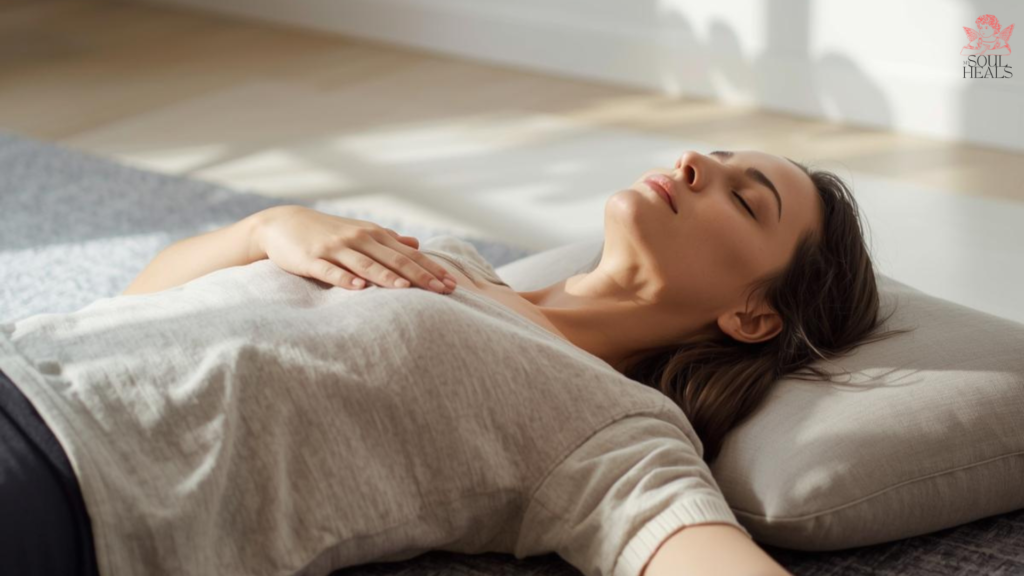
The Science of Breathwork: Why Americans Are Turning to Breath Over Traditional Meditation for Healing

The Science of Breathwork: Why Americans Are Turning to Breath Over Traditional Meditation for Healing

The Science of Breathwork
🌬️

The Science of Breathwork

Why Americans are turning to breath over traditional meditation for healing

Traditional meditation asks you to sit still, quiet your mind, and observe your thoughts. But for millions of Americans carrying trauma, anxiety, and nervous system dysregulation, sitting still feels impossible. The racing thoughts won’t stop. The body won’t settle. What meditation teachers call “resistance” is actually your nervous system screaming for a different approach. Enter breathwork: the science-backed practice that works WITH your physiology, not against it.

The Breathwork Revolution: Your breath is the only part of your autonomic nervous system you can consciously control. While you can’t directly command your heart rate, digestion, or stress response, you can change your breathing—and through breath, you can shift everything else. Breathwork bypasses the thinking mind to access the body’s innate healing intelligence. It releases stored trauma through the nervous system rather than through talking. It regulates in minutes what meditation might take months to achieve. This is why breathwork is exploding across America—it works for the bodies that meditation leaves behind.

Breath is the first thing we experience at birth and the last thing we release before death. Yet for decades, the modern wellness world glorified meditation as the primary path to healing, overlooking the most powerful internal tool humans carry every second: their breath.

Today, a massive shift is taking place across the United States. Americans who once struggled with meditation are discovering the potency, speed, and accessibility of breathwork. Scientific studies are validating what ancient traditions knew for centuries: controlled breathing can influence the mind, regulate emotions, cleanse stored trauma, and restore physiological balance.

“Your breath is the remote control of your nervous system.”

This blog explores the science behind breathwork and why it is emerging as a healing force surpassing traditional meditation for millions.

The Rise of Breathwork in America

Breathwork has moved from niche yoga studios to mainstream therapy rooms, athletic training centers, corporate offices, and trauma-healing circles. Unlike meditation, which can feel passive and mentally challenging, breathwork offers a more embodied, active, and instantly noticeable experience.

Americans are gravitating toward breathwork because it produces results quickly. Meditation requires discipline. Breathwork gives feedback immediately. Many people say:

“It feels like meditation is something I do. Breathwork is something that does the work for me.”

Three trends have fueled this shift:

  • A rise in anxiety and burnout, especially among young adults
  • Neuroscience revealing the connection between breath and emotional regulation
  • A cultural shift toward trauma-informed healing methods

Breathwork is becoming the bridge between modern stress and ancient wisdom.

Why Meditation Often Fails for Modern Minds

Meditation is powerful, but it is not always accessible. Many Americans struggle with:

  • Racing thoughts
  • Difficulty sitting still
  • Workplace pressure
  • Emotional overwhelm
  • Digital addiction

Traditional meditation asks people to quiet the mind. But the modern mind is overstimulated, sleep-deprived, and conditioned to constant input.

When people attempt meditation without addressing their dysregulated nervous system, their brain resists stillness. This creates frustration and guilt, pushing many away from the practice.

Breathwork works differently.

It regulates the body first, allowing the mind to naturally follow.

“Breath calms the body so the mind can finally listen.”

This is the key reason breathwork is rising as a preferred healing approach.

The Science of Breath and the Nervous System

The Science of Breath and the Nervous System

Breath is the only autonomic function humans can control consciously. This gives us unique access to the hidden systems governing stress, emotion, immunity, and energy.

When we slow down or deepen our breath, we directly influence the autonomic nervous system, which has two branches:

  • Sympathetic nervous system: fight-or-flight
  • Parasympathetic nervous system: rest-and-digest

Breathwork acts as a switch between these states.

Short, rapid breathing activates the sympathetic system.
Slow, deep breathing activates the parasympathetic system.

This is why breathwork can either energize or calm the body within minutes.

Key scientific effects of controlled breath include:

  • Lower cortisol levels
  • Improved heart rate variability
  • Enhanced emotional regulation
  • Increased oxygen and CO₂ balance
  • Improved cognitive clarity
  • Reduction in inflammation markers

Breathwork gives people a tool to shift their physiological state without medication or long meditation sessions.

Why Breathwork Heals Faster Than Meditation

Meditation changes the mind first. Breathwork changes the body first.

For people with trauma, anxiety, or chronic stress, the body often holds emotional memory long after the mind has forgotten. Breathwork activates large networks within the brain and body that meditation may not reach quickly.

Here’s why it works so effectively:

1. Breathwork moves energy

Emotions are energy. Breathwork clears stuck energy by increasing oxygen flow and stimulating the vagus nerve.

2. Breathwork quiets the mind automatically

When oxygen levels rise and the body relaxes, the brain naturally slows its activity without effort.

3. Breathwork is easier for beginners

Breath is tangible. Meditation is abstract.

4. Breathwork gives physical sensations

These sensations reassure the brain that something is happening.

5. Breathwork stabilizes the nervous system

A regulated body produces a regulated mind.

This combination makes breathwork feel more accessible and rewarding for everyday Americans seeking healing.

Types of Breathwork Gaining Popularity in the US

Different breathwork styles serve different healing goals. Here are the most widely practiced ones in America:

1. Diaphragmatic Breathing

Also called belly breathing. Helps relieve anxiety, insomnia, and chronic stress.

2. Box Breathing

A four-part military technique used for focus and calmness.

3. Wim Hof Method

Intense cycles of deep breathing designed to boost immunity and resilience.

4. Holotropic Breathwork

Developed by Stanislav Grof. A deep therapeutic technique for emotional release.

5. Coherent Breathing

Slow breathing at a rate that optimizes heart-brain communication.

6. Alternate Nostril Breathing

Balances both hemispheres of the brain and enhances emotional stability.

Each method activates the body differently, but all share one principle: breath shapes state.

Breath as Emotional Medicine

Many Americans are discovering that emotional pain is not only psychological but physiological. Breathwork has become a powerful emotional detox tool because it:

  • Stimulates the vagus nerve
  • Releases suppressed feelings
  • Reduces limbic system activity
  • Rewires emotional patterns
  • Helps dissolve emotional numbness

When people breathe deeply for sustained periods, the body reaches a state where long-held emotions can surface safely.

“Breathwork lets the body speak truth the mind has been avoiding.”

This is one reason therapists, somatic healers, and trauma coaches are integrating breathwork into their sessions.

The Neuroscience Behind Breath-Induced Calm

The Neuroscience Behind Breath-Induced Calm

Modern research shows that controlled breathwork influences key brain regions:

  • Amygdala: reduces fear response
  • Prefrontal cortex: enhances decision-making
  • Hippocampus: improves memory and emotional integration
  • Insula: increases body awareness and intuition

When breath becomes slow and rhythmic, neural oscillations shift into a calmer frequency. This creates coherence between brain and heart rhythms, which leads to mental clarity.

Neuroscientists now confirm that breath is one of the fastest ways to change brain waves without external tools.

Breathwork for Trauma Healing

Breathwork is widely used today by trauma therapists because trauma lives in the body, not the mind.

Trauma survivors often become stuck in survival mode, making meditation extremely difficult. Breathwork bypasses cognitive resistance and accesses the body directly.

It supports trauma healing by:

  • Reducing freeze responses
  • Releasing stored physical memory
  • Enhancing self-regulation
  • Strengthening resilience
  • Reconnecting mind and body

Trauma patterns often operate below conscious awareness. Breathwork brings these patterns to the surface in a gentle, controlled way.

Breathwork for Anxiety and Panic

Anxiety disorders are rising across the U.S., but breathwork provides immediate relief because breath and anxiety are deeply linked.

During anxiety, breathing becomes shallow. This leads to:

  • Excess oxygen levels
  • Low carbon dioxide
  • Tight chest
  • Increased heart rate

Breathwork restores balance by slowing and deepening the breath. It stabilizes the nervous system and breaks the cycle of escalating panic.

People report that consistent breathwork reduces:

This makes breathwork one of the strongest natural tools for anxiety recovery.

Breathwork for Sleep and Insomnia

Americans struggle with sleep due to stress and overstimulation. Breathwork induces natural sleepiness by activating the parasympathetic nervous system.

Practices such as 4-7-8 breathing slow the heart rate and quiet the mind.

With regular practice, many people report:

  • Falling asleep faster
  • Fewer nighttime awakenings
  • Calmer dreams
  • Better REM cycles

Breath becomes a direct channel to restore nightly rest.

Breathwork for Physical Health

Breathwork is not just emotional therapy. It affects nearly every system in the human body.

Benefits include:

  • Improved digestion
  • Enhanced immune function
  • Reduced inflammation
  • Better lung capacity
  • Lower blood pressure
  • Increased circulation

Many athletes use breathwork to boost endurance. Many corporate employees use it to increase focus. Many older adults use it to improve lung health.

Breath is medicine that supports the entire organism.

Why Breath Feels More Empowering Than Meditation

Why Breath Feels More Empowering Than Meditation

Americans want healing methods that give them a sense of control. Breathwork offers immediate agency.

People feel empowered because breathwork:

  • Requires no tools
  • Works in minutes
  • Creates visible changes
  • Can be practiced anywhere
  • Does not require spiritual belief
  • Supports emotional release without talking

Meditation often feels passive. Breathwork feels participatory.

This psychological empowerment is a major reason for breathwork’s popularity.

Breathwork in Therapy, Workplaces, and Schools

Breathwork is now being integrated into:

  • Clinical therapy sessions
  • Trauma recovery programs
  • Corporate wellness trainings
  • School stress management programs
  • Athletic coaching
  • Addiction recovery centers
  • Yoga and spiritual retreats

Because it is simple, safe, and scalable, organizations across the U.S. are adopting breathwork as a mental health tool.

It has become a universal solution that transcends age, belief, and physical ability.

Common Myths About Breathwork

Despite its rising popularity, several misunderstandings exist:

1. Breathwork is just deep breathing

In reality, many methods involve specific patterns that affect physiology in different ways.

2. Breathwork is only for yoga practitioners

It is now used in corporate, clinical, and athletic contexts.

3. Breathwork is unsafe

When practiced properly, it is one of the safest self-regulation tools.

4. Meditation is more effective

Effectiveness depends on the individual’s nervous system state.

5. Breathwork takes long to show results

Most people feel effects within minutes.

These myths are slowly dissolving as science and experience prove breathwork’s value.

Practical Breathwork Techniques for Daily Life

Here are simple techniques Americans use daily:

Morning Energizer: Stimulating Breath

  • Sit tall
  • Inhale deeply
  • Exhale forcefully
  • Repeat for 30 seconds

Work Stress Reset: Coherent Breathing

  • Inhale for 6 seconds
  • Exhale for 6 seconds
  • Continue for 5 minutes

Anxiety Stopper: Box Breathing

  • Inhale 4
  • Hold 4
  • Exhale 4
  • Hold 4

Sleep Inducer: 4-7-8 Breathing

Deeply calming for night routines.

These small patterns create big shifts.

The Future of Breathwork in America

Breathwork is moving from a trend to a health revolution. As mental health challenges rise, Americans are seeking accessible and scientifically backed healing tools.

Breathwork is becoming:

  • A clinical therapeutic method
  • A mainstream stress management tool
  • A self-healing practice
  • A community-based wellness ritual
  • A scientific field of research

Technology will soon integrate breath sensors, biofeedback devices, and AI-driven breath coaching.

Breathwork is the future of self-regulation.

The Hidden Physiology of Breathing: What Most People Never Learn

The Hidden Physiology of Breathing: What Most People Never Learn

Most Americans grow up breathing unconsciously. Very few learn that the shape of the breath shapes the shape of the mind. Breath does not simply move oxygen in and out. It triggers complex internal processes that influence hormones, muscles, organs, and even thought patterns.

When breath becomes shallow, the diaphragm stops functioning properly. This affects digestion, emotional stability, and posture. The diaphragm is more than a breathing muscle. It is deeply connected to the vagus nerve, a major regulator of calmness.

When you breathe deeply into the belly, you activate the diaphragm fully. This gently massages internal organs, improves nutrient absorption, and signals the brain to relax.

“Your breath is the most honest reflection of how safe your body feels.”

This understanding is shifting how Americans view mental health. Instead of assuming emotional issues start in the mind, more practitioners now see the breath as the root. Correct the breath, and mental clarity follows naturally.

Breathwork as Somatic Healing: The Missing Link in American Wellness

Somatic therapy focuses on the body as the gateway to healing emotional memories. Breathwork has become a crucial somatic tool because it gives people a structured way to access sensations without overwhelm.

Modern Americans often intellectualize their emotions. They try to think their way out of stress, which rarely works. Breathwork moves healing from the head into the body, where real transformation happens.

Somatic therapists use breathwork to help clients:

  • Relax the body before discussing difficult emotions
  • Process memories without dissociation
  • Release muscular tension caused by old trauma
  • Feel grounded and present during sessions
  • Build resilience and emotional resiliency

The key insight behind somatic breathwork is simple:
Your body remembers everything your mind forgets.

Breathwork gently unlocks these memories, not to relive them, but to release the physiological charge they carry.

The Role of Breathwork in the American Longevity Movement

Longevity experts, biohackers, and wellness researchers are increasingly promoting breathwork as a longevity tool. Aging is not only genetic. It is heavily influenced by chronic stress, inflammation, and oxidative load.

Breathwork reduces all three.

Better breathing increases oxygen efficiency, which improves cellular health. Slow breathing reduces oxidative stress, which contributes to aging. Consistent breathwork enhances heart rate variability, a key measure of longevity and resilience.

This is why athletes, CEOs, and older adults are all adopting breathwork as a daily ritual.

They want:

  • Sharper cognitive performance
  • Lower stress-related aging
  • Better cardiovascular health
  • More emotional stability
  • Enhanced sleep cycles

Breathwork gives them a simple, cost-free way to extend vitality.

Why Breathwork Strengthens Intuition and Inner Guidance

Many Americans report that breathwork helps them access inner clarity. This is not mystical. It is physiological.

When the breath slows, the brain’s default mode network becomes less active. This reduces mental chatter and increases sensory awareness. People become more attuned to subtle emotional signals that were previously drowned out by stress.

“Clarity is a natural byproduct of a regulated nervous system.”

When stress decreases, intuition rises. Breathwork creates the internal quiet needed to hear one’s deeper truth.

This is why many spiritual communities, coaches, and emotional healing circles now use breathwork as an entry point into deeper self-awareness.

Breathwork and the American Workplace: A Growing Revolution

Breathwork and the American Workplace: A Growing Revolution

Corporate America is undergoing a major shift toward well-being. More companies are integrating breathwork into employee wellness programs because it directly impacts productivity, focus, and emotional resilience.

Employees who practice breathwork report:

  • Higher concentration
  • Less burnout
  • Better communication
  • Improved creativity
  • Deeper patience

Some companies even conduct short guided breathing sessions before stressful meetings. The results are immediate and measurable.

This corporate adoption reflects a broader societal truth:
Breathwork is becoming America’s mental hygiene.

Just as people brush their teeth daily, breathwork may soon become a daily requirement for emotional and neurological health.

“Breathe In Power, Breathe Out Pain”: A Creative Reflection

Your breath is your built-in support system. It is your anchor, your medicine, your mirror, and your healer. It is the one tool you carry everywhere, yet the one tool most people forget to use consciously.

“When you master your breath, you master your state.”

Breathwork is not replacing meditation. Instead, it is filling the gaps that meditation alone cannot reach. It is becoming the healing language of a stressed modern world.

Breath is the bridge. Breath is the guide. Breath is the awakening.

Scroll to Top