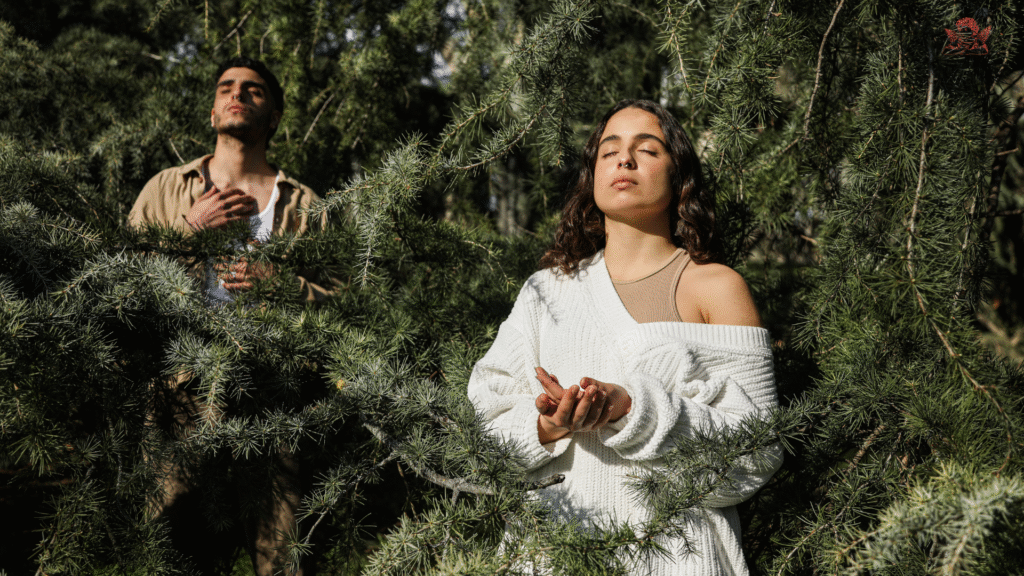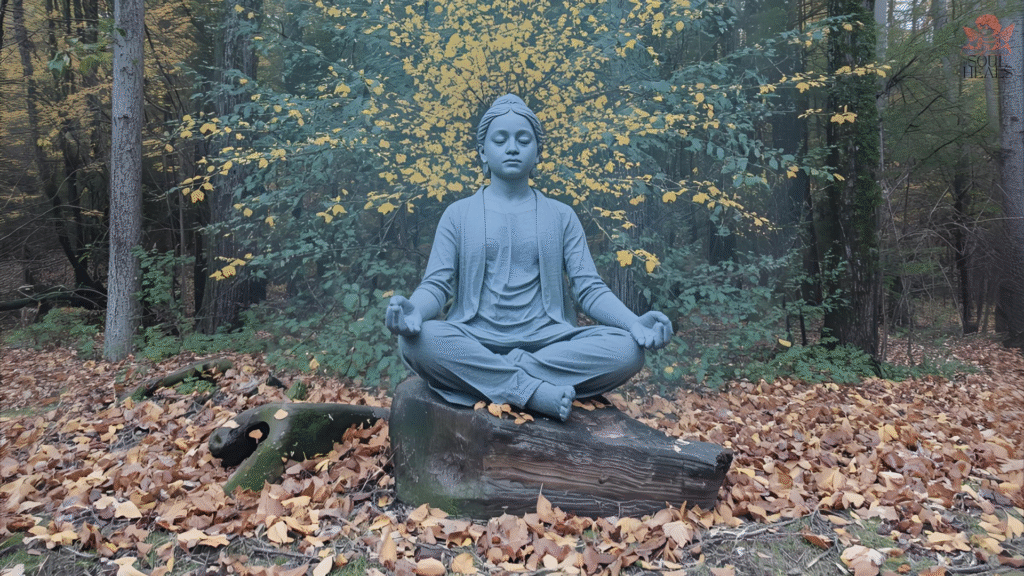
In our fast-paced world, finding calm can feel out of reach. Guided breath and color visualization meditation offers a simple yet powerful way to ease anxiety, boost focus, and reconnect with inner peace. This ancient practice blends Vedic traditions with modern mindfulness- using colors, rhythm, and breath to restore emotional balance. Whether you’re new to meditation or looking to deepen your practice, this guide shows how to use color and breath to rejuvenate your mind.
How It Works
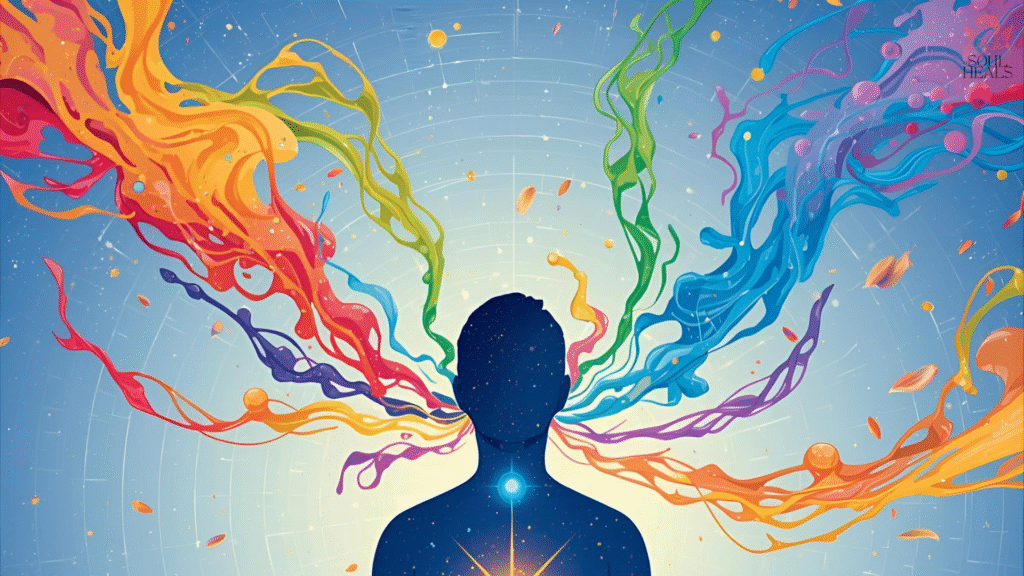
- Color visualization breath meditation links breathing with mental imagery.
- Each color carries a vibration or energy that affects the mood.
- As you inhale, picture healing colors entering your body.
- As you exhale, imagine dull or stressful colors leaving.
- This practice is rooted in ancient Vedic visualization methods called dhyana and pranayama.
- When guided through voice or music, the mind slips more easily into calm awareness.
Step-by-Step Guide
- Find your seat: Sit comfortably with your spine straight and shoulders relaxed.
- Close your eyes: Begin with slow, deep breaths- in through the nose, out through the mouth.
- Choose a color: Think of a shade that feels soothing (like blue, green, or white).
- Inhale the color: Imagine breathing in that gentle hue, filling your chest with light.
- Exhale stress: Picture darker tones like grey or black leaving with every breath.
- Repeat slowly: Continue this color visualization breath meditation for 3–5 minutes.
- End with silence: Allow the color to stay glowing in your body before opening your eyes.
Benefits of Color Visualization Breath Meditation
- Deep relaxation and anxiety reduction
- Improved focus and emotional control
- Better oxygen flow and calmer nervous system
- Enhanced visualization and creativity
- Balancing inner energy centers (chakras)
- Restful sleep through guided color breathing
- Simple practice accessible for all ages
Practical Tips for Your Meditation Space
- Choose a quiet space with soft lighting.
- Use cushions or yoga mats for comfort.
- Burn incense like sandalwood or light a candle.
- Face east- a Vedic tradition aligning with sunrise energy.
- Keep decor minimal, with soft tones of green, blue, or white.
- Add indoor plants for natural calm.
- Play calming ambient sounds or Mantra chants.
3-Minute Guided Color Breathing for Relaxation
- Minute 1: Breathe in through the nose, count to four. Picture a pale blue mist filling your heart space.
- Minute 2: Exhale through the mouth, releasing tension as dark smoke leaves your body.
- Minute 3: Imagine your whole body glowing with gentle light. Smile, and rest in stillness.
Repeat this short color visualization breath meditation whenever you need quick calm.
Ancient Vedic Practices Behind It
- Pranayama: Control of the breath to guide energy flow.
- Dhyana: Deep focus on inner images and vibrations.
- Trataka: Candle-gazing to strengthen visualization.
- Chakra Meditation: Using colors to balance energy centers.
- Bee Breath (Bhramari): Gentle humming to soothe nerves.
- Soham Mantra: A meditative chant meaning “I am That,” blending with breath.
These timeless Vedic techniques enhance every color visualization breath meditation by focusing breath, sound, and light together.
Best Colors for Reducing Anxiety
- Blue- calmness, peace, open energy.
- Green- balance, renewal, connection to nature.
- White- clarity, purity, mental stillness.
- Pink- compassion, warmth, gentle kindness.
- Lavender- rest, deep sleep, soft release.
Color meanings may differ culturally, but trust what feels soothing for you during your breath meditation.
Teaching Color Breathing to Children
- Keep it playful and short (2-3 minutes).
- Ask them to pick a favorite color before starting.
- Say, “Let’s breathe in the color of calm.”
- Use imagination, butterflies, rainbows, or glowing stars.
- Make the tone happy, not serious.
- Reward them with praise or a calm story afterward.
This makes color visualization breath meditation fun and builds emotional awareness early.
Combining Color Breathing with Box Breathing
- Inhale for 4: Picture a color entering your body.
- Hold for 4: See the color brighten.
- Exhale for 4: Let go of dull shades.
- Hold for 4: Feel space and calm before breathing again.
This box-breath pattern deepens focus while making the color visualization breath meditation rhythmic and steady.
Audio Format for Guided Color Visualization for Sleep
- Listen before bed with dim lights.
- Use headphones and a gentle voice guide.
- Choose sleep-inducing colors like lavender or blue.
- Sync your breathing to the guide’s count.
- End the session in silence, letting calm spread.
- The right color visualization breath meditation audio can help slow thoughts and bring restful deep sleep.
Everyday Integration
- Morning: Use yellow or gold color breathing for energy.
- Noon: Practice green or turquoise for balance.
- Night: Blue or violet for relaxation.
- Practice anywhere, before meetings, after workouts, or at bedtime.
Consistency matters more than length. Even 3 minutes of color visualization breath meditation daily can reset the mind.
Final Thoughts
Peace is not found, it is trained through mindful presence. Guided color visualization breath meditation reconnects you with gentle rhythm, stillness, and healing light. Drawing from ancient Vedic wisdom, this simple ritual turns breathing into art, a return to your most natural calm. Begin today, even for a few minutes, and watch as every breath paints your world in peace and color.